
June’s FIT expiry may bring up to 4 GW of solar online in Vietnam
Although only four PV plants with a combined capacity of 150 MW were grid connected by mid-April, the Vietnamese government expects another 88 FIT-entitled solar facilities to come online by the end of next month. By Sunday, 34 projects with a combined capacity of 2.2 GW had already arrived on top of the mid-April connections.
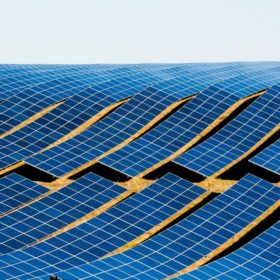
Colombian developers think big ahead of September auction
In the first five months of the year, 16 solar projects with generation capacities larger than 99 MW were approved by the Colombian authorities. One of the projects may reach a 700 MW capacity, another has 240 MW and five more can generate up to 200 MW as around 3.55 GW of PV capacity has been added to the national pipeline.
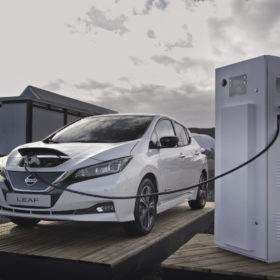
Global electric car fleet may reach 250 million by 2030
The International Energy Agency says more than 2 million electric vehicles hit the road last year, to take the total to more than 5 million. The agency has stressed the importance of public policy, charging infrastructure and a fall in costs for continued EV uptake, and says up to 43 million EVs could be sold in 2030.
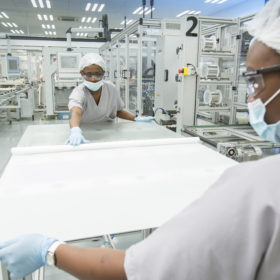
ARTsolar: ‘South Africa must preserve its solar module industry’
In a series of statements to pv magazine, South African panel manufacturer ARTsolar has explained why it recently filed a petition to request the introduction of import tariffs on solar modules from other countries. The company claims such a measure is needed to save real jobs and retain the technological expertise of the country’s PV industry.
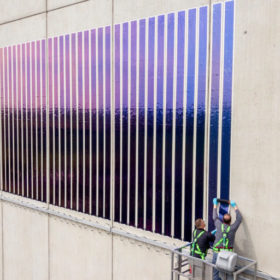
Heliatek and Lechwerke test PV facade on grain silo
The two companies have glued 230 square meters of solar film to the rough concrete surface of a grain silo in Donauwörth, Germany. The film is expected to generate approximately 6,700 kWh kilowatt-hours of solar power per year. Lechwerke and Heliatek want to open up new potential for the use of PV on other surfaces with the pilot project.
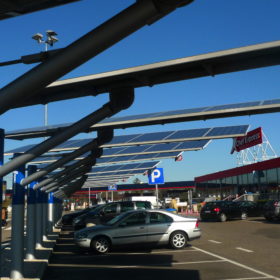
French energy agency says ‘neglected’ areas offer 53 GW of PV potential
The Ademe has identified 17,764 sites that could help France’s ambitious solar plans to materialize. Many neglected areas that are suitable for solar are old deposits of hydrocarbons, but parking lots also offer an additional 4 GW of potential.
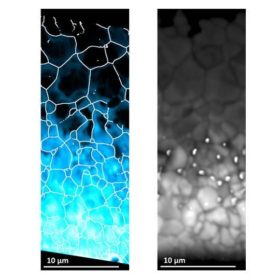
How selenium alloying gives CdTe thin film a boost
A new study conducted by an international team of scientists from leading institutions in the U.K. and the United States provides an explanation as to how the addition of selenide can greatly improve the efficiency of cadmium telluride solar cells. Explaining the performance boost will provide researchers with a route to explore further efficiency improvements, pushing the material’s cost even lower.

Botswana cancels 100 MW PV tender, plans new procurement exercise for June
The canceled tender was seeking investors for the construction of two 50 MW PV plants, as part of a joint venture with local utility BPC. The new tender will focus on independent power producers.

Thailand launches net metering scheme for residential PV
The program will be open to solar power systems with a generation capacity larger than 10 kW. Initially, some 100 MW of solar power will be allocated through the mechanism. Net metering tariffs, however, will be little more than half the current electricity price.

Portugal to launch second 700 MW solar auction in January
While preparing for the country’s first, 1.35 GW solar tender in June, state secretary for energy João Galamba has revealed another procurement exercise will be held in January and rejected criticism next month’s auction has been badly designed.
