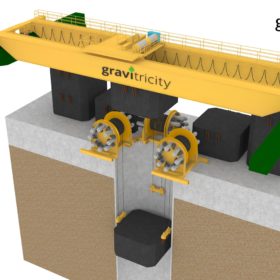
Gravitricity to build 4MWh gravity-based storage facility on UK brownfield site
British start-up Gravitricity secured funds from the UK Department of Business Energy & Industrial Strategy (BEIS) to build its second gravity-based storage project. The feasibility study is expected to be finalized by the end of this year.
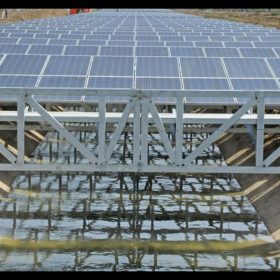
India’s NTPC explores canal-top, floating solar potential
NTPC has invited bids to carry out a feasibility study for canal-top, elevated module mounting structures and floating solar at its Tanda thermal power station in the Ambedkar Nagar district.
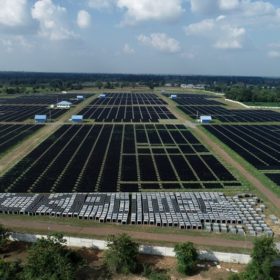
Thailand’s CK Power set to double in size through 2.8GW renewables investment
One of Southeast Asia’s biggest generators of renewable electricity, Thailand’s CK Power, is set to double in size over the next three years after announcing plans to add 2.8GW of new renewable electricity generation, including a ten-fold increase in its solar capacity.
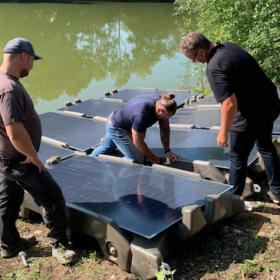
New floating PV mounting structure from Austria
The floater consists of a structure made of HDPE plastic which is claimed to withstand waves of up to 3m and currents of up to 2m/s. According to the manufacturer — Austrian tech company SolOcean — the floating structure can be used for either onshore or offshore projects.
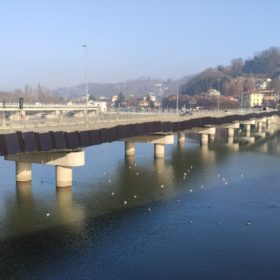
Single-row PV array comes online along Italian bridge
A 300m long PV system with a capacity of 71.5 kW has been deployed along a bridge crossing the Pò river in San Mauro Torinese, in northern Italy. The project was tendered by the municipality in June.
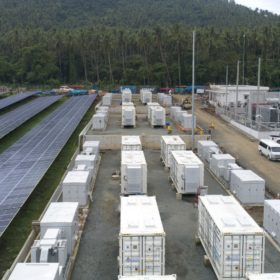
Philippines’ largest battery comes online at 120MW solar park
The 40MW/60MWh Alaminos Energy Storage system is now connected to the 120MW Alaminos solar park. Both facilities were built by renewable energy developer AC Energy.
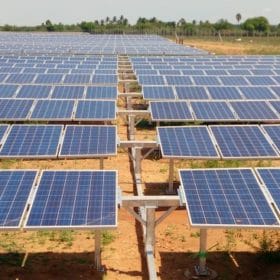
IFC to support 600MW solar park development site in Indian state of Uttar Pradesh
The solar project-ready site will be developed by state-run hydropower company THDC in a joint venture with the Uttar Pradesh New & Renewable Energy Development Agency. The International Finance Corporation will lend its expertise to attract private investment for the public-private partnership.
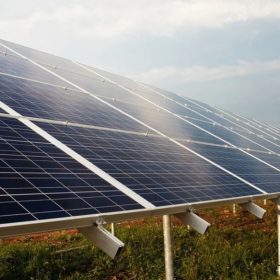
Slovenian oil provider builds PV plants totaling 22MW in Croatia
Petrol Group is investing €17 million in the construction of three solar parks in Knin, southern Croatia. The facilities will start producing electricity at the beginning of 2023.
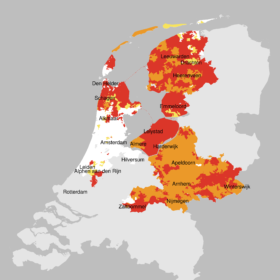
The Netherlands’ Friesland and Gelderland regions reach maximum grid capacity
Grid bottlenecks are increasing in the northern Netherlands and solar project developers will see fewer chances to build PV facilities there.
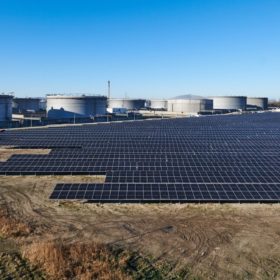
Tracker-equipped solar park to power mineral oil tank facility in Austria
Austrian oil and gas company OMV will invest around €4.5 million in the solar park, which will be connected to the facility’s internal grid and will be used exclusively to power its operations.
