
Hungary deployed more than 400 MW of solar in 2018
The nation had a record year for solar energy development. Most of last year’s new additions – 320 MW – came through a FIT scheme but a further 90 MW was represented by net metered installations. Hungary’s cumulative installed PV capacity reached around 700 MW in 2018.
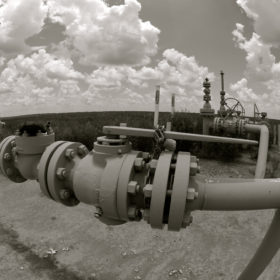
Belgian scientists develop solar hydrogen panel
The innovation is said to be able to produce 250 liters of hydrogen per day and can convert sunlight and water vapor from the air directly into hydrogen gas with an efficiency of 15%.

Croatian utility announces 350 MW solar expansion plan
After issuing its first call for renewable energy projects in February, power company HEP has now announced it will invest $23 million annually in solar until 2023, to add new capacity additions of 20 MW per year. The 350 MW plan is expected to be complete in 2030.
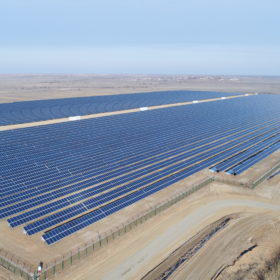
Global solar may reach 8,500 GW by 2050 – IRENA
Solar and wind could account for three-fifths of electricity generation in 2050, with more than 14.5 TW of installed power. Lumped together, renewables are expected to reach a power generation capacity of around 20 TW.

PV projects totaling 26 GW to compete in Brazil’s A-4 auction
Energy agency the EPE has admitted 1,581 projects with a total capacity of more than 54 GW to the procurement exercise’s initial phase.

Tokyo Gas buys 50% stake in Engie’s Mexican renewable energy unit
The Japanese gas provider has acquired a 50% interest in four Mexican PV projects with a combined capacity of 746 MW. The new joint venture will further develop solar and renewables across the country.
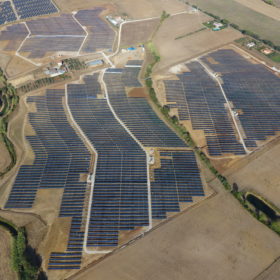
PV projects above 100 MW capacity proliferate in central Italy
Tuscia, in the Lazio region, is the focus of plans for several big solar parks including a 150 MW project approved by the regional government, two schemes exceeding 100 MW and six more projects ranging in size from 17 to 70 MW. Some 700 MW of solar is under development in the municipalities of Montalto di Castro and Tuscania alone.

Spain’s new rules for self-consumption come into force
The provisions allow self-consumption for communities and industrial areas; reduce administrative procedures – especially for small self-consumers; and establish a simplified mechanism for the compensation of self-produced excess energy.
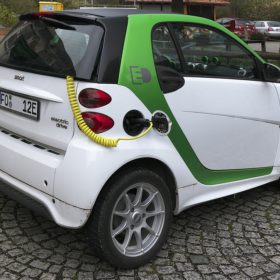
Italy offers incentives for EVs
A budget of €60 million has been allocated for this year, in 2020 and 2021 it will rise to €70 million. Applications for the incentives can be submitted from today.
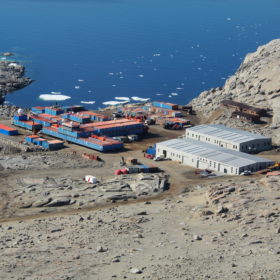
Using conventional modules at 40 degrees below zero
A 65 kW installation relying on 250 monocrystalline panels of 250 W each is providing energy at the Zucchelli Station, Italy’s permanent Antarctic base on Terra Nova Bay.
