
Tunisia reveals winners of second 70 MW PV tender
The Tunisian government awarded contracts for six 10 MW solar projects in the country’s second solar tender. The tender process was launched last August.
Germany deployed 1 GW of solar in first two months of 2019
Approximately 420 MW of solar power was newly installed in February. The strong growth for the first two months of the year was mainly due to the FIT cuts for commercial PV projects.
North Macedonia issues tender for first large-scale PV plant
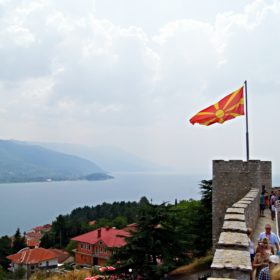
North Macedonia’s state-owned electric utility, ELEM, is tendering a 10 MW project which is being partly financed by the European Bank for Reconstruction and Development. The facility will be adjacent to Macedonia’s second thermal power plant, which produces around 10% of the country’s electricity.

EDF finalizes purchase of French solar operator Luxel
The acquired company owns more than 1 GW of solar capacity, including operational large-scale plants and projects still under development. The financial terms of the deal remain undisclosed.
More than a half million pumped-hydro sites for a world of 100% renewables
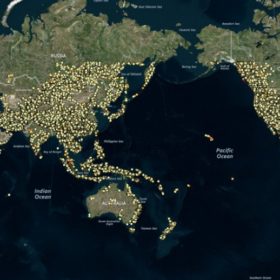
A recent Australian National University study shows that newly developed geographic information system algorithms can identify prospective sites for off-river pumped hydro projects throughout the world. The researchers, who identified around 530,000 potential sites, said pumped-hydro installations could enable large-scale energy time-shifting, as well as a range of ancillary services such as frequency regulation, which could help to integrate high levels of PV and wind into electricity systems.
Lego owner to acquire majority stake in Enerparc unit
The two sides have agreed not to disclose the purchase price, but Enerparc’s management team will maintain a minority interest.
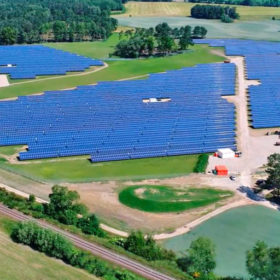
Average price in Germany’s first special PV tender reaches €0.065/kWh
Germany’s Federal Network Agency awarded 121 contracts and 505 MW of PV capacity in the auction. The bidding round was clearly oversubscribed, but 17 bids with a total output of almost 200 MW had to be ruled out due to formal errors.
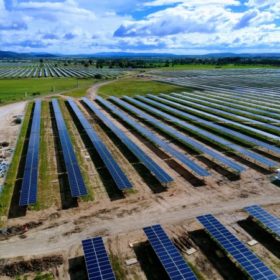
Mexico wants to review contracts awarded in energy auctions
The announcement was given by Manuel Bartlett, the general director of state-owned utility CFE. He also said the current prices of renewables are a lie, while also stressing that their development is a factor determining higher electricity prices.
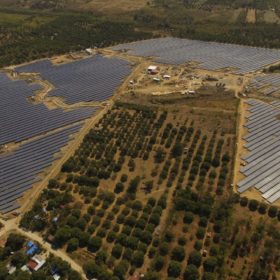
Philippines lowers FIT levy
The country’s energy regulator has decided to reduce the levy that finances the FIT program for renewable energy from P 0.2563/kWh to P 0.2226 ($0.004)/kWh. The lower levy is expected to go into effect next month.
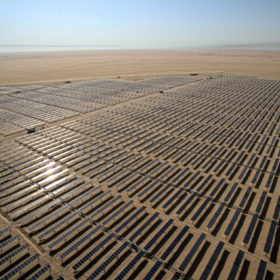
Iberdrola abandons race to acquire X-Elio
With the Spanish utility out of the game, there are now only three bidders still struggling to take over the PV project developer.
