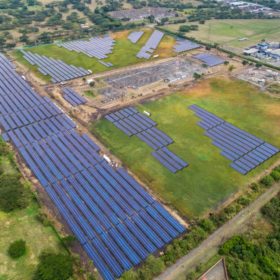
Colombia to launch auction for large-scale solar and renewables
In the auction, which will be held before the next presidential elections in May 2018, the Colombian government will select large-scale solar, wind and biomass projects.
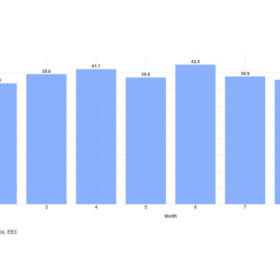
Germany’s solar, wind generation hits high in October
PV and wind power systems generated 15 billion kWh of electricity in Germany in October, with renewables accounting for 44.1% of demand.

Spanish PV could go merchant but market must change
José Donoso, the president of Madrid-based solar association UNEF, recently spoke to pv magazine about Spain’s latest renewable energy auction, under which 3.9 GW of solar was allocated. He also talked about the spot market, private PPAs and the ways in which future auctions can facilitate the further development of large-scale solar.

Malta launches incentive scheme for solar farms larger than 1 MW
With this new scheme, the Maltese government hopes to deploy around 50 MW of PV capacity over the next three years.
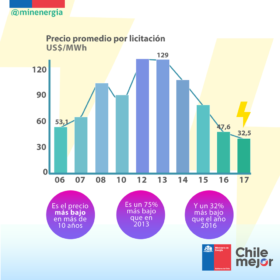
Chile’s auction concludes with average price of $32.5/MWh
The Chilean government has allocated approximately 600 MW of renewable energy capacity in the auction.

Quebec-based pension fund La Caisse keeps investing in solar
After providing Canadian rooftop solar specialist Potentia Renewables with $83 million in May, Canada’s second-largest public pension fund has now agreed to finance U.S. solar installer Sunrun with $40 million.
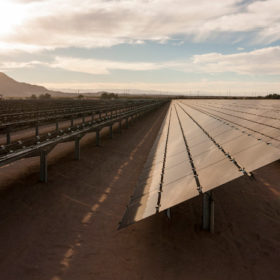
Dutch pension fund ABP invests €330 million in three U.S. projects
The three projects are located in California and Nevada, and are owned by Capital Dynamics.
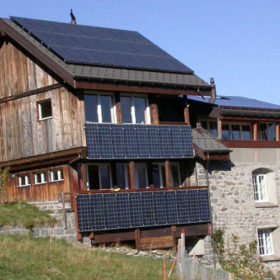
Switzerland pushes for more solar
The Swiss Federal Council has published the rules for the Energy Strategy 2050. Swissolar finds this will create the conditions for the PV market to surpass the threshold of 300 MW per year.
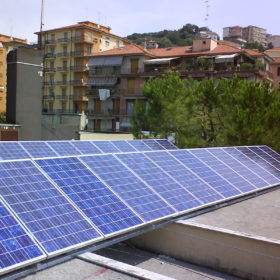
Italy installed 323 MW of solar in first nine months of 2017
The Italian solar market has grown by 13% so far this year and by 6% in the third quarter. New additions for September reached 32.2 MW.
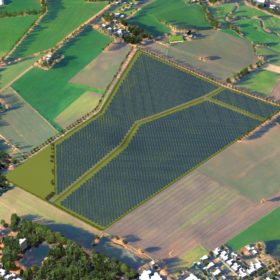
Solar may reach 6 GW in the Netherlands by 2020, report says
The Dutch research institute ECN also believes that 20 GW of installed PV capacity could already be reached by 2035.
