
Photovoltaic sanitary water heater from Belgium
Belgian heating specialist Wanit has developed a solar water heater that purportedly reduces the cost of domestic hot water by 85%. The PV water heater solution includes a main dual tank and a solar connector that links the tank with a rooftop PV system and residential battery.

Solarwatt enters heat pump business with new energy management system
Solarwatt and Stiebel Eltron have agreed to cooperate on the development of heat pumps.
District heating via solar-powered heat pump using industrial waste heat
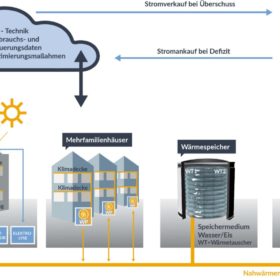
The Fraunhofer Institute for Solar Energy Systems is assessing how a solar-powered heat pump system that uses waste heat from a distillery at a low-temperature level could be used to provide district heating. Waste heat is injected into an ice storage tank, to which heat pumps are connected on the source side.
Thermochemical storage-plus-rooftop PV to store heat for winter months
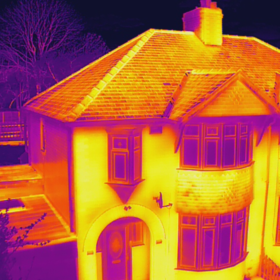
A group of researchers in the United Kingdom is developing a modular, multi-vector energy system that can be installed into new homes and retrofitted into existing buildings to provide seasonal heat storage. In the proposed system configuration, a rooftop solar array would be used to power a heat pump or another electrical heating element, which in turn produces the heat to be stored by thermal devices.

Around 90% of newly built homes erected last year in the Netherlands are gas-free
The Netherlands is at the forefront of promoting sustainable heating in Europe and the share of new buildings that are not connected to the country’s gas grid may soon approach 100%.

PV-powered heat pump system for commercial swimming pool heating
Researchers in Jordan have designed a solar-assisted heat pump system for swimming pool heating at a hotel in the coastal city of Aqaba. They found that the system has a payback time of only 1.94 years and that total profits after ten years of operations may reach around $1.88 million.
Non-technical factors influencing market acceptance for solar heat pumps
The lack of proper business models, high upfront costs, and long payback periods are the key barriers to enabling the wider adoption of solar-powered heat pumps, according to recent research. Other factors reducing market acceptance are a lack of information on the technology and sociodemographic factors like public perception and peer effects.

Cost optimal solutions for residential solar-powered heat pumps in cold climates, isolated areas
A U.S.-Swedish research group has investigated the complex economic relationship between PV and heat pumps in cold climates under four different levels of electrification. It found that, compared to propane, solar heat pumps can reduce reduce costs by up to 20% and carbon emissions by 30%.
