
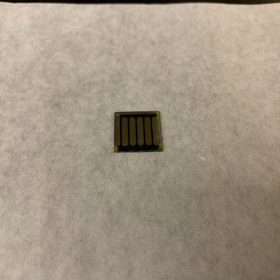
UK scientists build new 3D solar architecture
The back-contact solar cell is said to have a conversion efficiency of around 7%. According to researchers, the cell design includes the removal of expensive transparent conductive oxides.
Enhancing perovskite cell performance with coffee
A U.S.-Chinese research team has discovered that carbonyl groups in caffeine can increase the efficiency of perovskite solar cells from 17% to 20%. The peculiar molecular structure of caffeine is said to be a good match for the precursors of perovskite material compounds.
Consolidation of Taiwanese PV industry continues with another shutdown
Taiwanese manufacturer E-Ton Solar said it will halt solar cell production due to strong price pressure. It is now seeking to sell two of its three manufacturing facilities in southern Taiwan, while its shares have been suspended from trading on Taiwan’s stock exchange.
Taiwan’s PVEVL expands performance tests to perovskite, quantum dot and organic solar cells
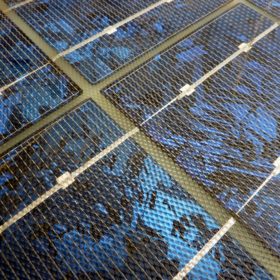
Despite the difficulties its solar manufacturing industry faces, the Taiwanese government is ramping up its R&D efforts to measure the efficiency of what it calls “new-generation light-driven photovoltaics”.

UK researchers warn of potentially rising silver costs
A study has highlighted that the two growth phases of solar panel manufacturing – after the 2008 global downturn and again after 2011 – coincided with higher prices for the precious metal.
Australian researchers to develop new tandem PV cell measurement equipment
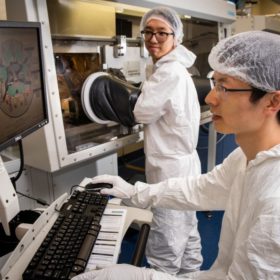
The Commonwealth Scientific and Industrial Research Organisation (CSIRO) and Adelaide-based laser supplier Lastek are developing equipment and procedures to accurately measure the performance of multi-junction solar cells with the help of an LED-based solar simulator.
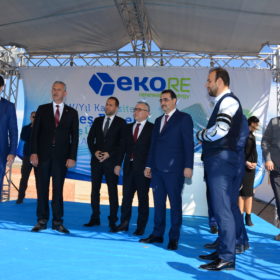
EkoRE breaks ground on 1 GW vertically integrated module factory in Turkey
The facility is in the Bor organized industrial zone of Niğde, in central Anatolia. The factory was backed by incentives provided by the country’s Ministry of Energy and Natural Resources.

Longi rejects Hanwha Q Cells allegations and provides details on patent issue
The Chinese monocrystalline module maker said it had not been notified of the legal action by its Korean rival. Longi claimed there is considerable uncertainty over the validity of the patents at the root of the lawsuits, which the Chinese defendant says relate to ALD technology. Longi says it uses PECVD technology for cell production.
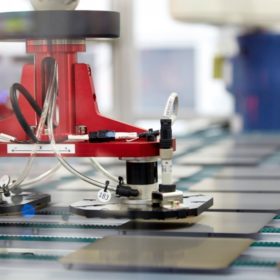
Hanwha Q-Cells sues Jinko, Longi and REC for patent infringement
The Korean solar manufacturer has lodged a patent infringement lawsuit against Jinko and REC in Germany, and two more against the same companies plus Longi in the U.S. Hanwha Q Cells claims its three rivals have used its patented solar cell passivation technology to increase the performance of their products.
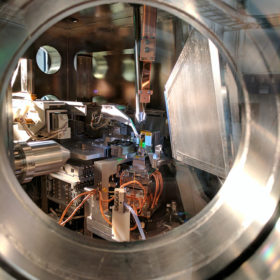
Understanding why cesium and rubidium salt improve the yield of perovskite solar cells
The addition of either salt enables more even distribution of halide atoms within the perovskite material – key to increasing cell conversion efficiency. The explanation should speed up the process of identifying the best perovskite mixes.
