
Russian Duma approves net metering for solar up to 15 kW
Under the new rules, expected to come into force by the end of the year, Russian residential PV system owners will be able to sell excess power to the grid. The provisions were discussed for almost two years before yesterday’s vote.
India prioritizes domestic products in plan for 12 GW of new solar
The Indian Cabinet Committee on Economic Affairs has approved a plan for projects to be enabled by public bodies in the hope that avoiding competitive procurement will enable it to circumvent WTO rules related to import parity.
Silver price to rise 7% this year
According to the Silver Institute, demand for the precious metal in the solar industry will remain stable up to 2022, despite recent changes in China’s PV policy.
Kness Group commissions module factory in Ukraine
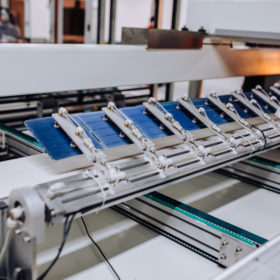
The panel fab, with a production capacity of 200 MW, is in Vinnytsia, central Ukraine. The factory’s capacity is expected to double by the end of the year.

Large-scale solar arrives in Quebec
State-owned utility Hydro-Quebec will deploy its first 10 MW of ground-mounted solar to test the technology at the province’s latitude. The hydropower company is also using storage to better manage winter peak demand. Bifacial modules will be included in both projects.
Swiss manufacturer Meyer Burger sells wafer business to PSS
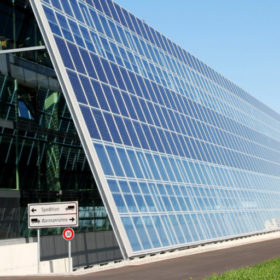
Precision Surfacing Solutions is paying $50 million to take over most of the production facilities as well as 100 employees working in wafer technology in Thun and in service locations worldwide. Meyer Burger wants to focus on PV cell coating and interconnection technologies.

A year on from the Section 201 tariffs, Trump talks trade
There are indications the Trump administration may be closing in on a deal with Chinese authorities but, for now, the trade war goes on.
Australia: Large scale solar generation trebled in 2018 as renewables passed 20% share of national electricity output
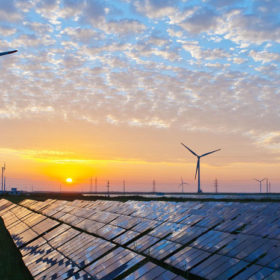
The contribution of PV to Australia’s electricity generation mix hit record highs last year, according to new figures published today by Green Energy Markets. The electricity generated by new rooftop solar was 86% higher than in the previous three years and utility-scale PV output trebled to pass the 1 TWh milestone.
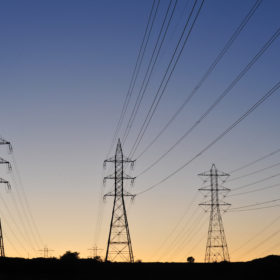
Super-grids vs prosumer states: storage may decide the battle
Indra Overland, head of the Center for Energy Research at the Norwegian Institute for International Affairs, explains how the world’s future energy landscape may include pan-regional super-grids. However, prosumer states seeking energy independence could also be in the mix. According to Overland, the two developments will go hand in hand and the balance between them will be determined by the competitiveness of storage technologies.
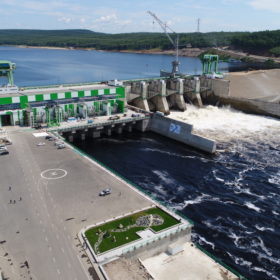
First hybrid hydro-PV project announced in Russia
Russian module manufacturer Hevel will deploy 1.2 MW of solar at an hydropower facility operated by local energy provider Rushydro in the Amur region. The solar installation is intended to help the company better manage the power plant, while also reducing its operational costs.
