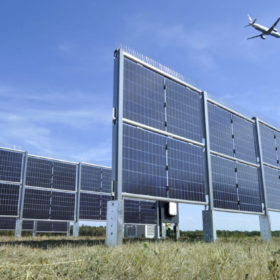
Vertical PV to protect biodiversity at German airport
An 8.4 kW pilot vertical PV project is now operating at the airport in Frankfurt, Germany. The solar panels are vertically arranged to protect the biodiversity of the site. In the final stage of expansion, the system will reach up to 13 MW of output.
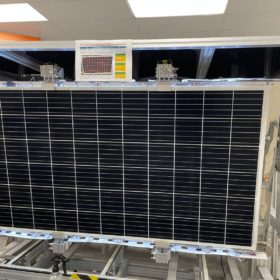
Australian company targets solar panel industry with high-grade silica
Allup Silica aims to target the booming solar PV panel industry after independent tests confirmed the presence of premium silica sands – a key component of high-end glass manufacturing – at its Sparkler project in Western Australia.

New refrigerant circuit for safer, more efficient heat pumps
Scientists at Germany’s Fraunhofer Institute ISE and a consortium of heat pump manufacturers have achieved a new efficiency record in their development of a low-refrigerant propane refrigeration circuit. The device has a heating capacity of 12.8 kW with only 124 grams of propane, amounting to a refrigerant charge of approximately 10g/kW, compared to 60g/kW for commercially available devices.
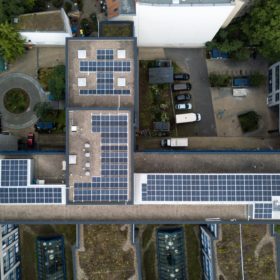
EU solar ‘big buyers’ initiative set to launch in November
The European Commission intends to help municipalities and public entities to buy rooftop PV systems. Its DG Growth initiative aims to make the public procurement of rooftop solar systems easier.
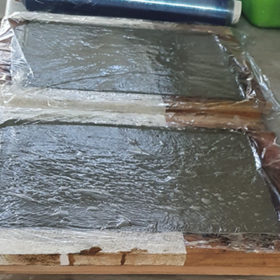
Reflective coating to reduce solar tile temperatures
Australian scientists have tested different reflective coatings in solar tiles and have found that they could improve the performance of building-integrated PV devices by up to 6.6%. They are currently working with building product manufacturers to bring their tech closer to commercial production.
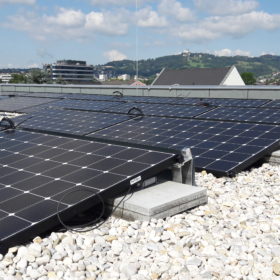
DC rooftop PV providing domestic hot water to residential building at 60 C
Domestic hot water, with a heating system powered exclusively by DC solar power, has now covered the needs of an apartment building in Linz, Austria, for a period of a year. The 14 residential units are each connected to their own 1.36 KW solar arrays.
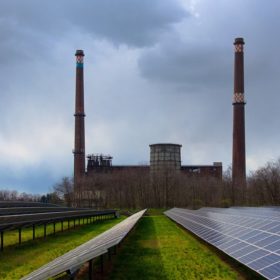
Bulgarian grid operator reviewing connection requests for 24 GW of renewables
The Bulgarian grid operator says the nation urgently needs to expand its grid to accommodate planned renewables capacity. It is now holding meetings with potential investors.
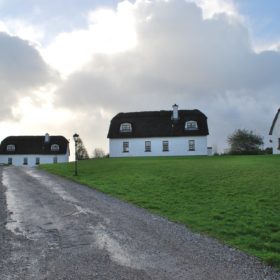
Ireland introduces planning exemptions for rooftop solar
Ireland’s new solar measures, first announced in June, are expected to facilitate deployment in the residential and commercial PV segments.
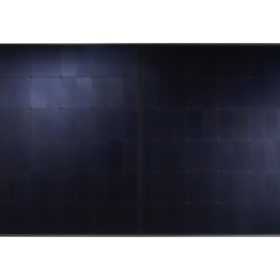
FuturaSun unveils 425 W n-type IBC solar module for rooftop applications
FuturaSun has revealed plans to expand its production capacity in China and its home market, Italy. Its new all-black solar panel features a power conversion efficiency of up to 21.60%.
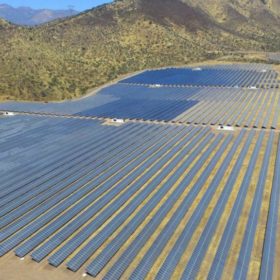
Brazil hits 20 GW milestone
Brazil has deployed 6.52 GW of cumulative utility-scale solar and 13.57 GW of distributed-generation PV projects below 5 MW in size.
