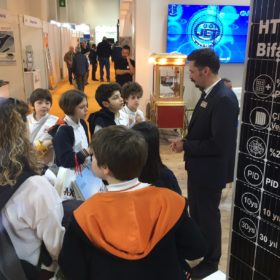
Foreign modules tied up in red tape at the Turkish border
As the Turkish market cools as the result of a policy vacuum, rumors are now circulating that its developers and installers are being hampered by restricted module imports. While some exceptions apply, claims are the measures, described as “blatant protectionism” by some are damaging the market.
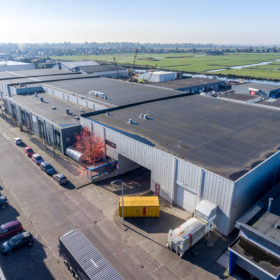
Dutch module maker Energyra files for insolvency
The company — which owns a 100 MW solar panel factory in Zaanstad, in the Dutch province of North Holland — is seeking to implement a restart under controlled administration. It cited delays in the delivery of production equipment and a working capital deficit as the main reasons for the insolvency proceedings.
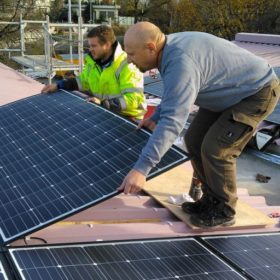
Sunman brings glass-free PV modules to European market
Power provider Stadtwerke Waldkirch has built a 264 kW PV system in Germany with Sunman’s glass-free modules, as a titanium rooftop at the project site made it impossible to use conventional modules.
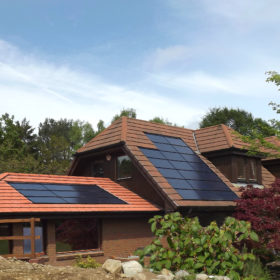
ML System to build BIPV module factory in Poland
The company has received financial support of PLN 50 million ($13 million) for the project from the Polish national development bank. The facility will produce BIPV cells and panels based on ML System’s quantum dots technology.
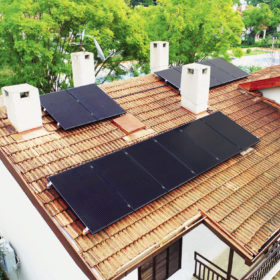
The weekend read: Land of the Crescent Sun
Despite its abundant solar resources, Turkey’s potential for solar energy development remains largely untapped. Although the market grew considerably between 2017 and 2018, the outlook for the next two years, due to the macroeconomic situation and the current regulatory framework, appears rather gloomy. If regulations will not be changed, and tenders for large-scale solar remain unimproved, unsubsidized PV and self-consumption may remain the best options available to seek more growth.
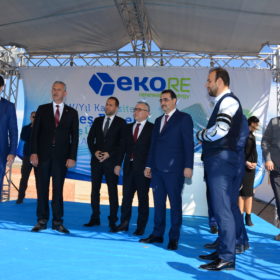
EkoRE breaks ground on 1 GW vertically integrated module factory in Turkey
The facility is in the Bor organized industrial zone of Niğde, in central Anatolia. The factory was backed by incentives provided by the country’s Ministry of Energy and Natural Resources.
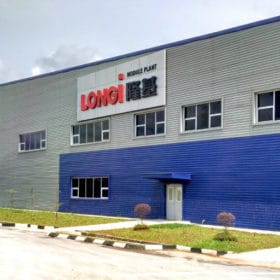
Longi rejects Hanwha Q Cells allegations and provides details on patent issue
The Chinese monocrystalline module maker said it had not been notified of the legal action by its Korean rival. Longi claimed there is considerable uncertainty over the validity of the patents at the root of the lawsuits, which the Chinese defendant says relate to ALD technology. Longi says it uses PECVD technology for cell production.
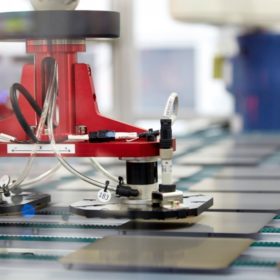
Hanwha Q-Cells sues Jinko, Longi and REC for patent infringement
The Korean solar manufacturer has lodged a patent infringement lawsuit against Jinko and REC in Germany, and two more against the same companies plus Longi in the U.S. Hanwha Q Cells claims its three rivals have used its patented solar cell passivation technology to increase the performance of their products.
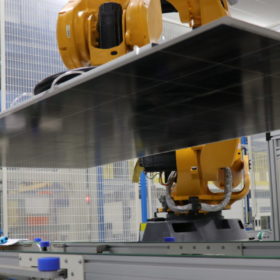
Inside JinkoSolar’s US factory
JinkoSolar is ramping the third-largest module factory in the United States, as part of a resurgence in U.S. module manufacturing.
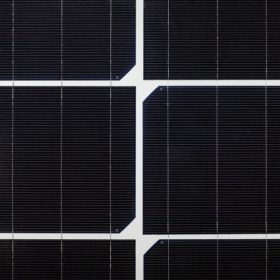
Markets started to embrace non-conventional modules in 2H 2018
Analysts at PV InfoLink said the number of markets open to new technologies such as half-cut and shingled panels is constantly rising. Australia, Japan, Spain, the UAE and Brazil were cited as the hottest markets for Chinese “special modules”. Total annual production in China for half-cut modules, which are set to increase their market share this year, should reach around 20 GW.
