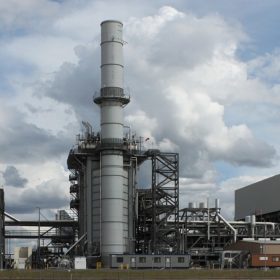
Polish gas plans could leave taxpayers needing to find billions
With the Polish government planning to commission five gas power plants over the next five years, London-based thinktank Carbon Tracker has estimated just how costly the move will be, compared to deploying solar plants and energy storage instead.
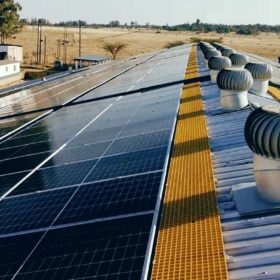
Nhimbe Fresh’s solar-powered blueberries
Cape Town-based solar crowdfunding platform The Sun Exchange in April announced completion of its largest funding call, for US$1.4 million to finance what it described as a 510kW solar-plus-storage facility for Zimbawean food company Nhimbe Fresh. With the first part of a planned three-phase “going solar” transformation of the business complete, pv magazine spoke to The Sun Exchange founder and CEO Abraham Cambridge, and to Nhimbe Fresh chairman Edwin Masimba Moyo.
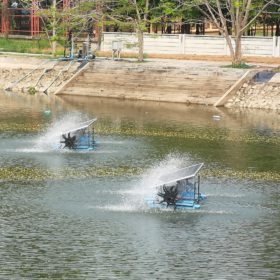
Solar-plus-storage for aquaculture aeration
Recent research from Thailand has shown that solar-plus-storage on floating platforms could be the cheapest option to power energy-intensive aeration systems in aquaculture projects. The battery accounts for around 54% of the capital costs, which is why system sizing would be key for economic viability.
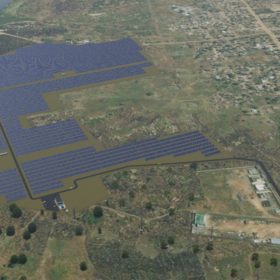
Financial close for Mozambique’s first solar-plus-storage project
Anglo-Norwegian public funding body Globeleq has said the 19 MWp/2MW-7 MWh Cuamba project will be supplying electricity during the second half of next year.
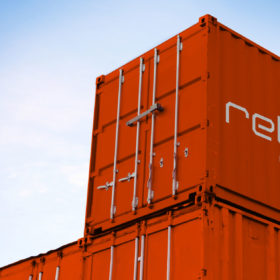
Scatec brings containerized solar-plus-storage system to Cameroon
Two projects in the northern region of the African nation are set to bring 36 MW of solar and 20 MW/19 MWh of storage online, with the first facilities due to start generating within days.
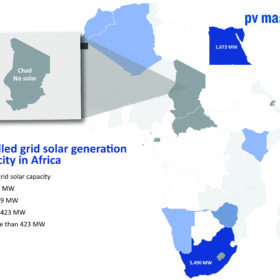
Chad’s first solar-plus-storage project secures funding
The development entity driving the first stage of a planned 60 MW solar plant has announced a doubling in the amount of borrowing secured for a project which was supposed to be operational in 2018.
Germany will continue to dominate European home battery market – no matter who is in government
Industry association SolarPower Europe expects little change in the line-up of Europe’s biggest residential battery markets in four years’ time, with a rush of retrofits as turn-of-the-century solar feed-in tariffs begin to expire, set to keep Germany way ahead of the pack.
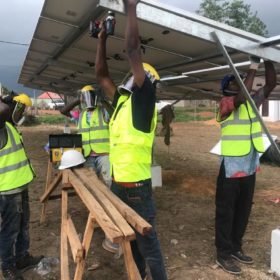
US developer lands $1.75m deal for Nigerian mini-grids
Former start-up Husk, which originally based its business on renewables powered by rice industry waste products, has agreed to develop seven solar-plus-storage mini-grids across rural communities in Nasarawa state.
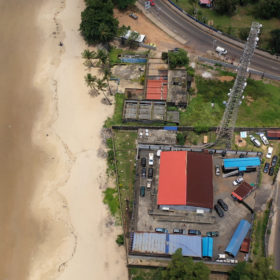
Broadband in Sierra Leone capital to be powered by off-grid solar-plus-storage
A 1.2 MW solar plant and ‘up to 2 MWh’ energy storage system will replace generators to power the city broadband network in Freetown from mid next year.
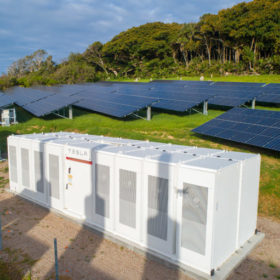
Solar microgrid makes remote Australian island less dependent on diesel
Until this year, Lord Howe Island was totally reliant on diesel generation for its electricity. A solar-powered hybrid microgrid, integrated into the island’s supply since April, has now been declared a resounding success.
