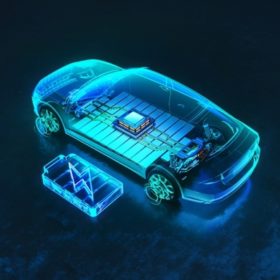
The mobility rEVolution: High-capacity electrode material for solid-state batteries
GoodWe has released a new solar-powered smart EV charger for residential use, Envision AESC has broken ground on a 12 GWh battery plant in the United Kingdom. and PG&E has invited customers to pre-enroll in its three upcoming vehicle-to-everything (V2X) pilot programs.

Magnesium superionic conductor for lithium-free solid-state batteries
Scientists in Japan have developed a novel metal-organic, framework-based magnesium ion conductor with superionic conductivity, even at room temperature.
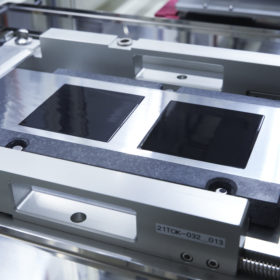
The mobility rEVolution: Nissan moves forward with in-house all-solid-state battery production
In other news, GM and Honda are jointly developing affordable EVs, the Biden administration holds an EV industry meeting, and Mercedes-Benz Energy agrees to supply EV batteries to BatteryLoop for its scalable, circular energy storage products.
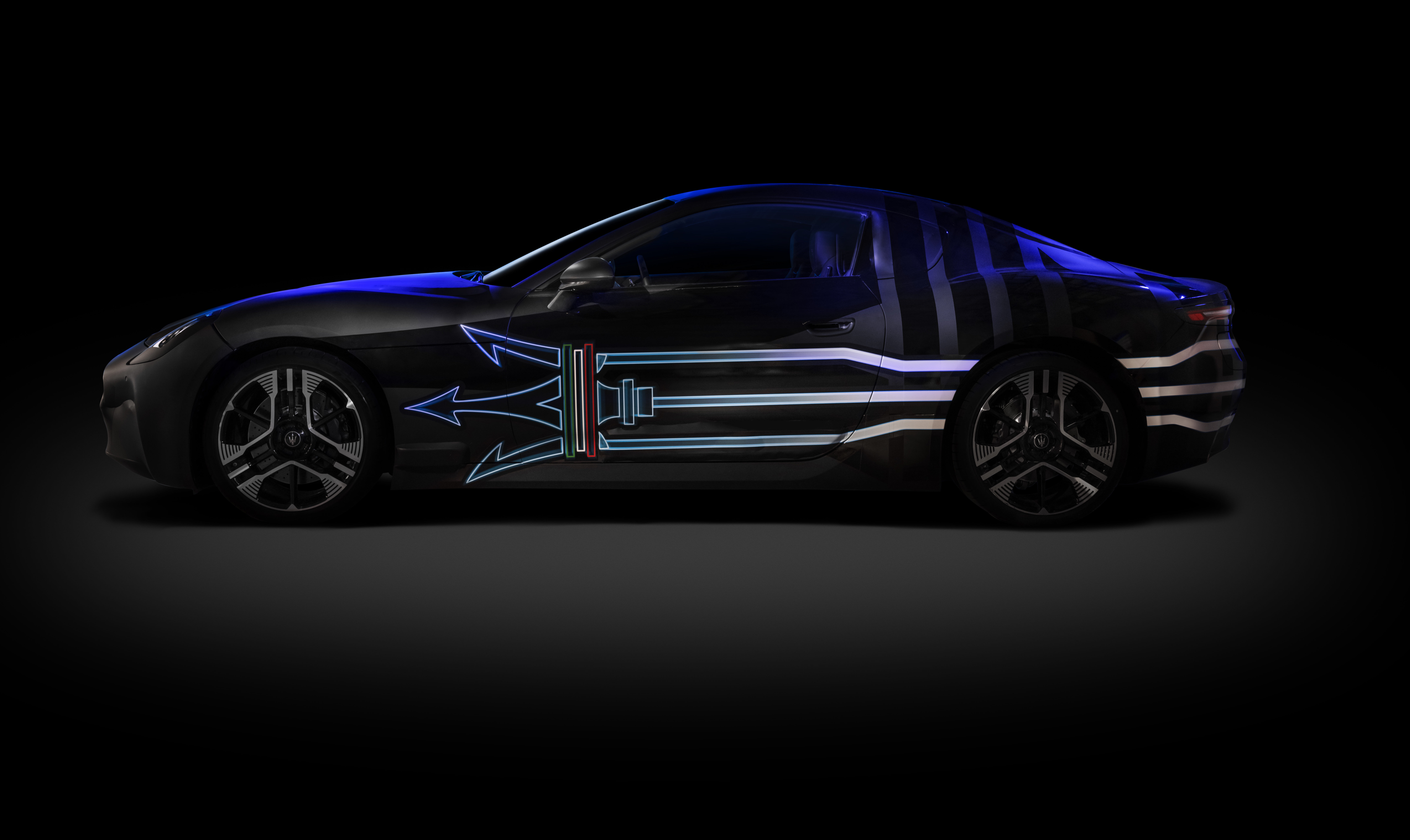
The mobility rEVolution: Maserati plans market launch of its electric GranTurismo Folgore
In other news, Ford has accelerated its EV push in Europe with seven new models, Samsung SDI is building a pilot line for solid state batteries, Northvolt is planning its third battery gigafactory in northern Germany, whereas Porsche has unveiled new electrification plans.
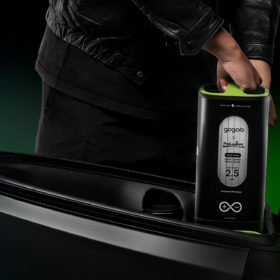
The mobility rEVolution: Swappable lithium ceramic solid-state battery for two-wheelers
In Taiwan, Gogoro has unveiled what is said to be the world’s first swappable lithium ceramic solid-state battery for two-wheelers. Furthermore, a new study tackled a long-held assumption that adding some liquid electrolytes to improve performance would make solid-state batteries unsafe and found them to be more powerful and safer than the conventional lithium-ion chemistry. In the UK, Aston Martin and Britishvolt have inked a deal to develop a new high-performance battery cell technology. Meanwhile, concerns surrounding the EV supply chain continue to grow.
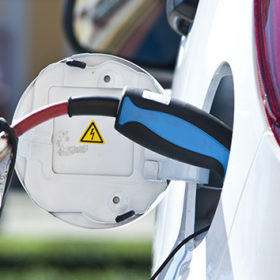
Industry heavyweights look to solid-state battery cells, resources, and recycling
Mercedes-Benz has teamed up with ProLogium to integrate solid-state battery technology into a range of passenger vehicles; Panasonic and Toyota have launched an industrial-academic collaborative research program concerned with battery resources and recycling; and LG Energy Solution plans to spend $2.1 billion with General Motors to build another electric vehicle battery plant in the U.S.

Fluence, QuantumScape partner on solid-state lithium-metal energy storage
The companies will collaborate on what is believed to be a first-of-its-kind attempt to incorporate QuantumScape’s solid-state lithium-metal battery technology into stationary energy storage products.
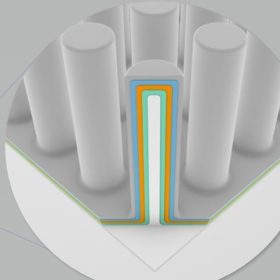
3D solid-state thin film battery from the Netherlands
Developed by a spin-off of Dutch research institute TNO, the battery is claimed to offer higher energy density, longer lifespan and increased safety compared to conventional lithium-ion batteries. It will initially be applied in wearables and electric cars.

China can ensure a 1.5C world – and continue to dominate the global clean energy supply chain
A report by the IEA laying out two routes for China to reach net zero attempts to persuade policymakers to gun for that goal by 2050, rather than ten years later, and dangles the prospect of continued global dominance as the main reward on offer.
Tesvolt invests in development of cable-free EV supercharging
The German energy storage business has invested an unspecified amount in compatriot Stercom Power Solutions, which offers the ability to transfer electricity, untethered, from a magnetic coil to a receiver coil on the underside of new-energy vehicles.
