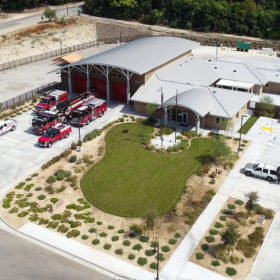
Vanadium’s role in a just transition
The deployment of a vanadium flow battery at a fire station run by Native Americans illustrates the role that the energy storage technology can play in ensuring that nobody is disadvantaged by the shift away from fossil fuels.
A true beginning – how the IRA persuaded us to invest in the US
The Inflation Reduction Act (IRA) has opened a new door for US solar manufacturers, as one of the executives behind a US-Jordanian project to bring PV production to the US explains.

Ontario confirms 1.5 GW-plus tender for battery storage
The Canadian province of Ontario will include a big slice of energy storage capacity as it plans its near-term grid requirements.

Solar energy tax credits are a boon to blockchain technology solutions
The Inflation Reduction Act (IRA), signed into law by US President Joe Biden, represents the single largest investment in clean energy, GHG emissions reduction, and climate resilience in the country’s history by providing around US$370 billion for green energy tax credits and other incentives to spur large-scale development of solar energy technologies to electrify the US’s digitization.

The weekend read: A year of solar uncertainty in the US
The supply of PV modules to the United States has been challenged by potential tariffs on goods shipped from four Southeast Asian nations that provide 80% of US solar panels. The disruption stems from an ongoing investigation into allegations of antidumping violations. US President Joe Biden has halted tariffs related for two years, but challenges still loom, reports pv magazine USA’s Ryan Kennedy.
The weekend read: What is the future of solar for ESG finance?
There are three main drivers behind the continuing growth of solar today: the economics of energy, the energy crisis driven by the war in Ukraine, and a growing global focus on green and net zero initiatives. What matters is that these three drivers change the dynamics of investment – there is a growing body of capital looking to align with low-carbon, net-zero initiatives. Yet as the debate rages about operational versus overall sustainability, what is the future of solar for ESG finance?
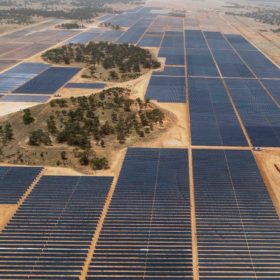
Why is green energy infrastructure booming despite global economic woes?
The Covid-19 pandemic and resulting economic fallout have had a variety of impacts on the clean energy transition, with some sectors being more affected than others. Earlier this year, the International Energy Agency (IEA) warned of slowed progress towards sustainable energy goals due to Covid-19 and reversed progress in many areas crucial in reaching net zero, such as energy efficiency, clean cooking, or access to electricity. There is one sector, however, that has shown remarkable resilience since the beginning of the pandemic and has been able to maintain, and even accelerate, its rapid growth since 2020: green energy infrastructure.
Clean power prices leap on back of tightening gas supply
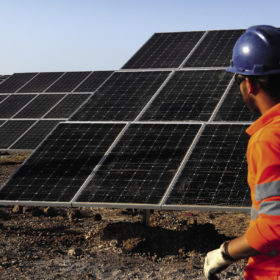
Developers are making hay as far as PPA prices are concerned thanks to eye-watering wholesale electricity prices which mean they can just sell their solar and wind power on the open market.
The supply chain requirements UK solar developers will have to grapple with under CfD scheme
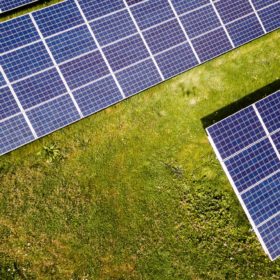
Any developers bidding to construct solar plants with more than 300 MW of generation capacity in the latest round of the UK’s clean power auction program will have to draw up a supply chain plan showing how they will address matters ranging from skills gaps to new technology to modern slavery.

Test production starts at SolarEdge’s 2 GWh Korean battery cell fab
The inverter and battery manufacturer says its new Sella 2 factory will produce cells for its residential solar-plus-battery products as well as for other applications.
