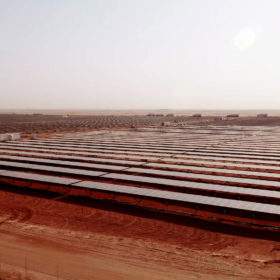
First EBRD-financed slice of Benban project comes online
The 30 MW plant was developed by a consortium led by Infinity Solar Energy SAE – an Egyptian developer operating in Africa and the Middle East – with Germay’s ib vogt, investment vehicle MMID and private equity firm BPE Partners.
Shell Foundation and Rockefeller support $11bn African mini-grids fund
Crossboundary Energy Access – which claims to be the continent’s first mini-grid financing facility – wants to unlock $11 billion in private capital to bring energy to 100 million people in sub-Saharan Africa. Raising capital has been a struggle despite mini-grids being lauded as a solid solution for electrification.
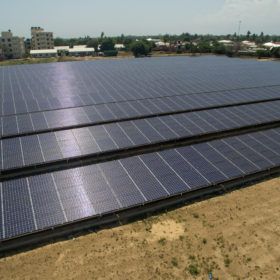
African commercial and industrial PV market grows on the back of outages and high tariffs
According to a new report from BloombergNEF, cheap solar energy could benefit many businesses in sub-Saharan Africa. However, regulatory and financial obstacles are causing concern.
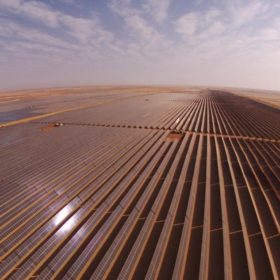
64 MW project connected at Benban
Alcazar Energy has announced the start of commercial operation for a project at Benban, in Egypt. Alcazar says it is the first of more than 30 planned projects in the second round of the mammoth solar park to achieve grid connection, and one of four similar sized projects the company is working on at the site.

Pakistan regulator reviews 50 MW PV proposal, armed forces seek 26 MW
Pakistani regulator NEPRA is considering a tariff for a 49.5 MW site in the Khyber district. At the same time, the country’s armed forces are eyeing PV deployment for their operations.
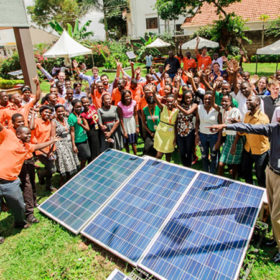
SolarNow to bring off-grid PV to 17,500 more Ugandan homes
The domestic company has cleared a third debt funding facility of $9 million with Kenya-based SunFunder, responsAbility and Oikocredit. The credit means 2.5 MW of off-grid capacity, enough to bring energy to 70.000 people.

World Bank injects $100 million to support solar in Pakistan
The funds will be used to implement the Sindh Solar Energy Project, a scheme aimed at increasing solar power generation and access to electricity in Sindh province.
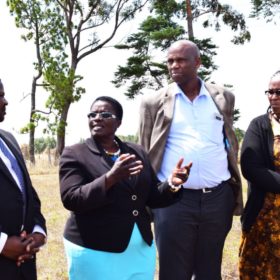
Voltalia bags EPC, O&M contract for 40 MW PV project in Kenya
The services will be provided for Alten Africa. The IPP says the project is its first utility-scale system in Kenya. The country has recently presented its universal electrification strategy, which places emphasis on solar PV generation.
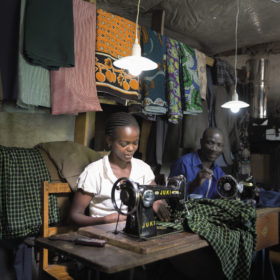
Kenya’s 2022 universal electrification goal bets on off-grid solar
The World Bank and the Kenyan Government have announced a new strategy for attaining universal energy access for Kenyans by 2022. The plan underlines the importance of off-grid solar installations in reaching that goal. The investment opportunities for the coming five years are around US$14 billion.

IRENA clarion call for G20 leaders may fall on deaf ears
In an advisory requested by Argentinian hosts, agency reports on the role solar can play in firing the energy transition up to 2050 – but was anybody listening?
