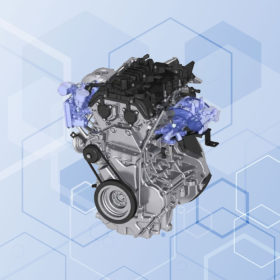
The Hydrogen Stream: A new engine from China and IEA predictions for this decade
Chinese carmaker GAC Group has unveiled an engine it claims improves the mixing process of hydrogen and air. Elsewhere, the IEA has said $7 billion in new electrolyzers will be required globally by the end of the decade, and a British consortium is planning to build green hydrogen production facilities alongside 4 GW of solar, wind, and battery projects it is developing in the United Kingdom.

Consultancy sought for 100 MW Bangladeshi solar plant
The majority of the finance for the $177 million, Jamuna river project will be provided in the form of soft loans from the Indian government and officials are reportedly already planning a second 100 MW facility with a Chinese firm on nearby land.
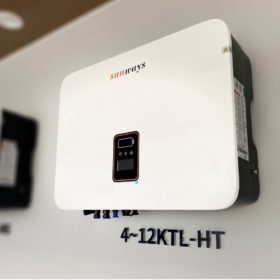
Sunways talks new PV inverter products, manufacturing plans, and strategic direction
In the following interview, pv magazine’s China correspondent Vincent Shaw talks to Li Kui, Vice President, Global Sales and Marketing at Sunways about the PV inverter products it will unveil at this year’s Intersolar Europe, inverter trends, and the plans it has for 2022.
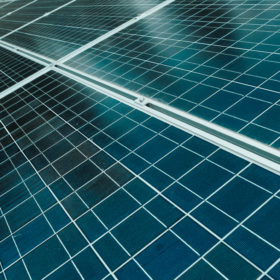
Rate of Indian commercial and industrial solar installation fell 34% in the second quarter
The nation’s C&I solar segment saw just 332 MW of generation capacity added in April-to-June, compared to 501 MW in the first three months of the year, as lockdowns in multiple states slowed installation activity.

China can ensure a 1.5C world – and continue to dominate the global clean energy supply chain
A report by the IEA laying out two routes for China to reach net zero attempts to persuade policymakers to gun for that goal by 2050, rather than ten years later, and dangles the prospect of continued global dominance as the main reward on offer.
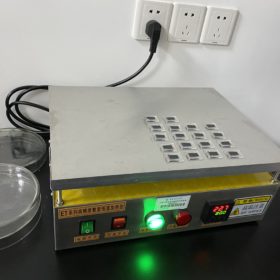
Building perovskite solar cells with waste toner carbon
Scientists in China have fabricated 11.78%-efficient fully printable perovskite solar cells by using an electrode made of waste toner carbon from printer cartridges. The cell achieved an open-circuit voltage of 0.88 V, a short-circuit current density of 24.64 mA cm, and a fill factor of 54.56%.
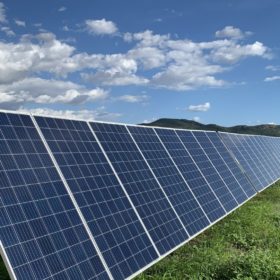
Solar secures 236 MW of capacity in Brazil’s A5 auction, with average price of $0.03109/kWh
The Brazilian authorities have allocated 860 MW of power capacity in the country’s latest procurement exercise, including 20 solar projects.
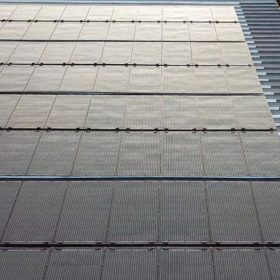
CIGS solar panels for weight-constrained rooftops
U.S. thin-film module manufacturer Sunflare is ramping up production at its factory in China. The company makes four different CIGS modules.
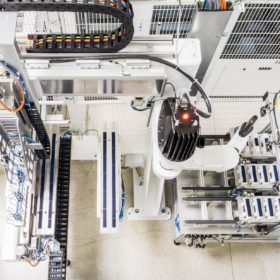
New ‘matrix’ layout for shingled solar cells
German equipment supplier M10 and research institute Fraunhofer ISE will unveil a new prototype stringer for shingled module layouts at the Intersolar Europe trade show later this week. Employing an offset layout for the shingles, the approach promises a relative efficiency gain of up to 6%, compared to a conventional half-cell module.
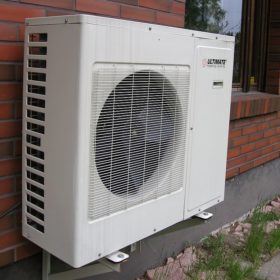
Ireland announces plan to install 600,000 heat pumps by 2030
The move is part of the National Development Plan 2021-2030, which aims to increase the share of renewable electricity in the generation mix up to 80% and to allocate around 15.5 GW of wind and solar capacity through an auction scheme.
