Residential building fully reliant on hydrogen for space heating, hot water

A Dutch consortium led by the Delft University of Technology (TU Delft) and the social housing organization Woningcorporaties, has connected an existing residential building located at TU Delft’s campus to an underground hydrogen network that is now meeting all demand for space heating and hot water.
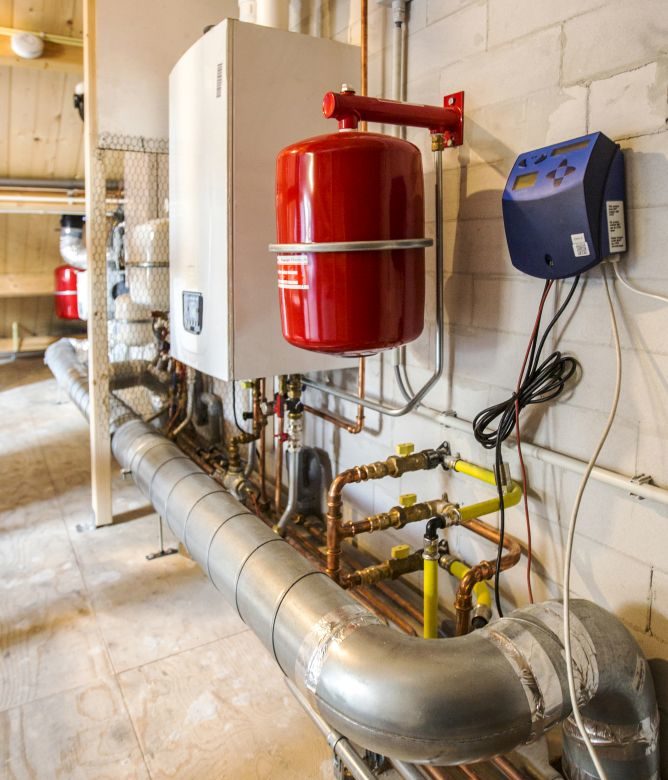
The project, called H2@Home, is the first of its kind in continental Europe as it combines an underground-pipeline hydrogen network similar to a natural gas network and hydrogen pipes that run through the building and are connected to an H2 heating boiler in the attic.
According to the research group, hydrogen has a lower energy density than natural gas and, when existing infrastructure is used, the hydrogen flow rate must be increased considerably in order to meet the same energy demand. “These high speeds and volumes are expected to result in noise pollution and undesirable resonances in the indoor installation,” they also warned. “Moreover, hydrogen is very flammable and colorless and odorless, which are all properties that require additional safety and management measures for the use of hydrogen.”
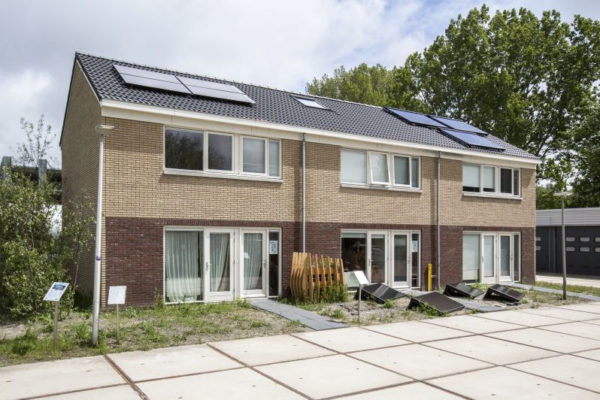
Image: Woningcorporaties
The building’s existing gas pressure regulators and the smart gas supply shut-off, which were not immediately suitable for the application of hydrogen, needed to be adjusted, as well as the gas meter and piping. Furthermore, the researchers added a communication module for the network operators to ensure the system’s safety, through monitoring.
Through the proposed configuration, the building’s residents should not perceive any difference in use, warmth, and comfort compared to a system based on a conventional central heating boiler.
The system and of all its components have been online since November and will be tested until July 2022.

Please login to comment

Note need for special piping. Methane pipes can not be reused. Waste of $$$. Leave HE for ammonia and heavy hauling instead of heating. autos. and air.

Hydrogen demonstration projects are easy when somebody else is footing the bill. However, heating your house using green hydrogen, made from renewable electricity, takes about 5 or 6 times more electricity than heating your house with a heat pump. Furthermore, there’s a lot of additional equipment required to produce, compress and store the hydrogen that also has to be paid for.
Another important thing to remember is that, ‘there is no such thing as a free lunch’. If you are heating your home with green (or even blue) hydrogen at the same cost as somebody else who is using electricity and a heat pump, then somebody else is effectively paying most of your heating bill, which I would suggest is totally unjust.

Yes, hydrogen from electrolysis does take several times as much electricity as the hydrogen can return as electricity in a fuel cell.
Rooftop solar panels in Alberta produce 10 to 15 times as much electricity in midsummer, as they do in midwinter. So H2 is being looked at as a viable seasonal storage option, as are geological heat repositories.
[…] En Países Bajos adaptan un edificio residencial para que sea totalmente dependiente del hidrógeno … […]