More than 190,000 plug-in PV systems are now online in Germany

From pv magazine Germany
The market for plug-in PV systems has reached an unexpectedly big size in Germany.
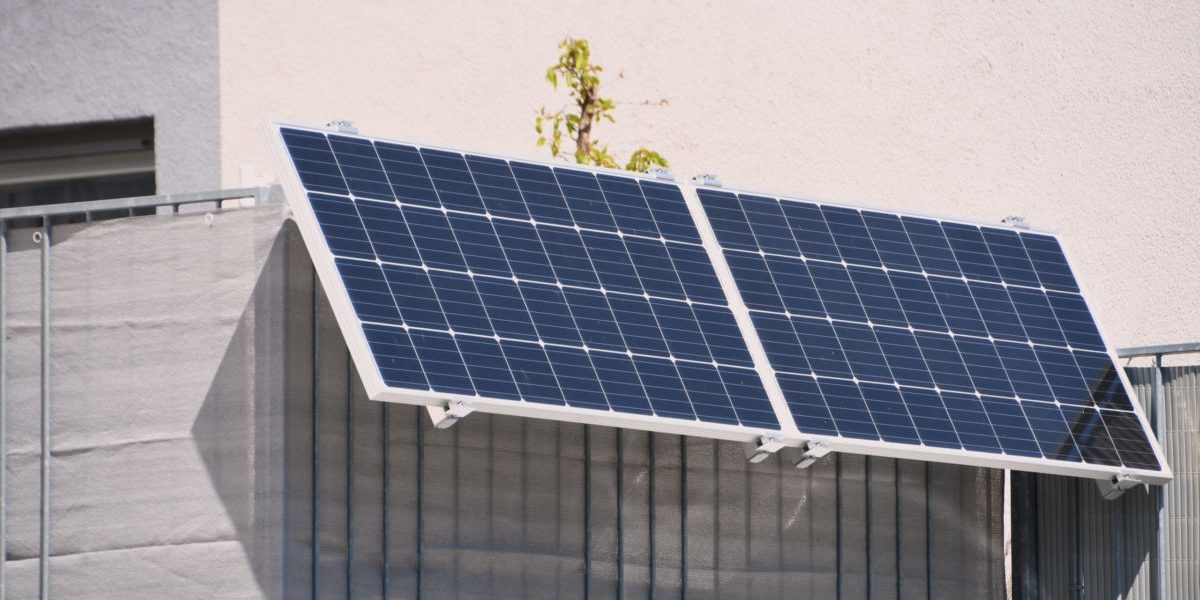
According to a new report from the HTW Berlin – University of Applied Sciences, and German consumer association Verbraucherzentrale NRW, more than 190,000 plug-in solar devices have been installed in Germany in recent years. In 2020 and 2021 alone, up to 128,000 of these photovoltaic systems, with a total output of up to 51MW, were added.
The two entities surveyed all providers of plug-in solar systems in Germany and 58 of 156 active market participants took part. The market shows what they define as a colorful picture of small and large suppliers. “So far, a few larger providers have dominated the market while, at the same time, new providers and many smaller companies are ensuring lively competition,” explained Barbara Praetorius, professor at HTW Berlin and co-author of the study. About 75% of the plug-in solar systems are sold directly to end customers. “Sales channels via retail chains have so far hardly been used. This means there is still a lot of room for improvement in terms of market development,” Praetorius continued.
This was also confirmed by Thomas Seltmann, from Verbraucherzentrale NRW. “The study makes it clear that politicians and network operators must finally clear further hurdles,” said Seltmann. There are still arguments about standard-compliant connection and “unreasonable” demands from the electricity network operators. Therefore, simplifications for the use of plug-in solar systems are urgently needed, according to the consumer association.
Officially, plug-in balcony solar arrays must be reported in the market master data register managed by the Bundesnetzagentur – the German federal network agency. However, the study showed that not all users file the registration. “The reporting processes are too complex for plug-in solar systems. Only 10 to 20% of the systems are registered,” said Praetorius.
“We also assumed that the balcony does not play the greatest role as a location for the solar module,” explained the HTW professor. “Only every third device can be found there. Half of the devices are placed in an elevated position on the flat roof or in the garden.”
The Berlin researchers are currently investigating what the main obstacles are to reaching more tenants and thus, better tapping the potential for the plug-in solar market in Germany.
This content is protected by copyright and may not be reused. If you want to cooperate with us and would like to reuse some of our content, please contact: [email protected].

Please login to comment

[…] 来源:www.pv-magazine.com […]

Assuming a panle has circa 400w output and typically there will be 2 or so – it begs the question – why should a household report to BNetz? 0.8kW of generation & BNetz needs to know? This shows just how petty Germany has become. Filled with pointless rules and regulations – but hey – great if you are a ……….bureaucrat.
[…] Recente gegevens tonen aan dat er nu meer dan 300.000 mini-plug-in PV-systemen in Duitsland zijn geïnstalleerd. Dit aantal is aanzienlijk gestegen sinds het begin van het jaar, mede dankzij versoepelde registratieprocessen die het voor burgers eenvoudiger maken om deel te nemen aan de energietransitie (pv magazine International). […]