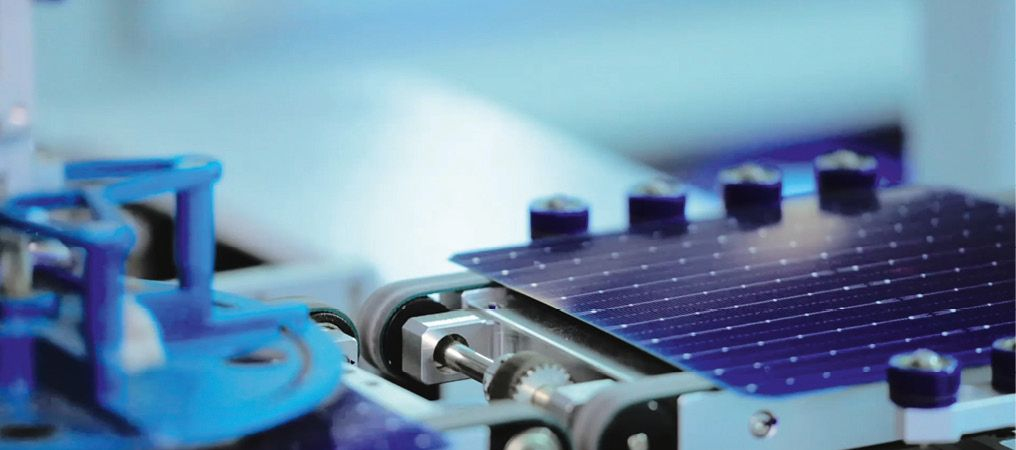





JinkoSolar’s subsidiary, Shangrao Jinko Xinyuan Yuedong, has filed a lawsuit in the Munich division of the Unified Patent Court, accusing Longi Green Energy and several of its European subsidiaries of infringing on European patent EP3297043.
The patent, originally owned by South Korea’s LG, relates to a solar cell structure based on “selective doping of the passivation layer” – a technology Jinko acquired in recent years through its strategic purchase of LG’s solar patent assets.
The case targets Longi’s premium BC solar module lines – Hi-MO 7, Hi-MO 9, and X10 – signaling Jinko’s shift in focus from earlier disputes over tunnel oxide passivated contact (TOPCon) technology to the increasingly competitive BC segment.
This is Jinko’s second suit against Longi in Germany this year. On Feb. 14, Jinko filed its first Unified Patent Court action concerning patent EP4372829B1, which is related to TOPCon.
While Longi has not publicly responded to the latest BC-related allegations, it has begun to push back. On July 21, the company filed for the invalidation of the February TOPCon patent at the Unified Patent Court. Media reports also suggest Longi has initiated countersuits in China, leveraging patents it purchased from Mitsubishi Electric.
In January, JinkoSolar also filed a patent infringement lawsuit against Longi over the use of an unspecified TOPCon solar cell technology at the Nanchang Intermediate People’s Court in China.
In early December 2024, JinkoSolar filed a patent infringement lawsuit against competitor VSUN, a unit of Japan’s Fujisolar, in the US District Court for the Northern District of California. JinkoSolar said it is suing VSUN and its US affiliates, but did not disclose the patent involved in the dispute.
This content is protected by copyright and may not be reused. If you want to cooperate with us and would like to reuse some of our content, please contact: editors@pv-magazine.com.

By submitting this form you agree to pv magazine using your data for the purposes of publishing your comment.
Your personal data will only be disclosed or otherwise transmitted to third parties for the purposes of spam filtering or if this is necessary for technical maintenance of the website. Any other transfer to third parties will not take place unless this is justified on the basis of applicable data protection regulations or if pv magazine is legally obliged to do so.
You may revoke this consent at any time with effect for the future, in which case your personal data will be deleted immediately. Otherwise, your data will be deleted if pv magazine has processed your request or the purpose of data storage is fulfilled.
Further information on data privacy can be found in our Data Protection Policy.