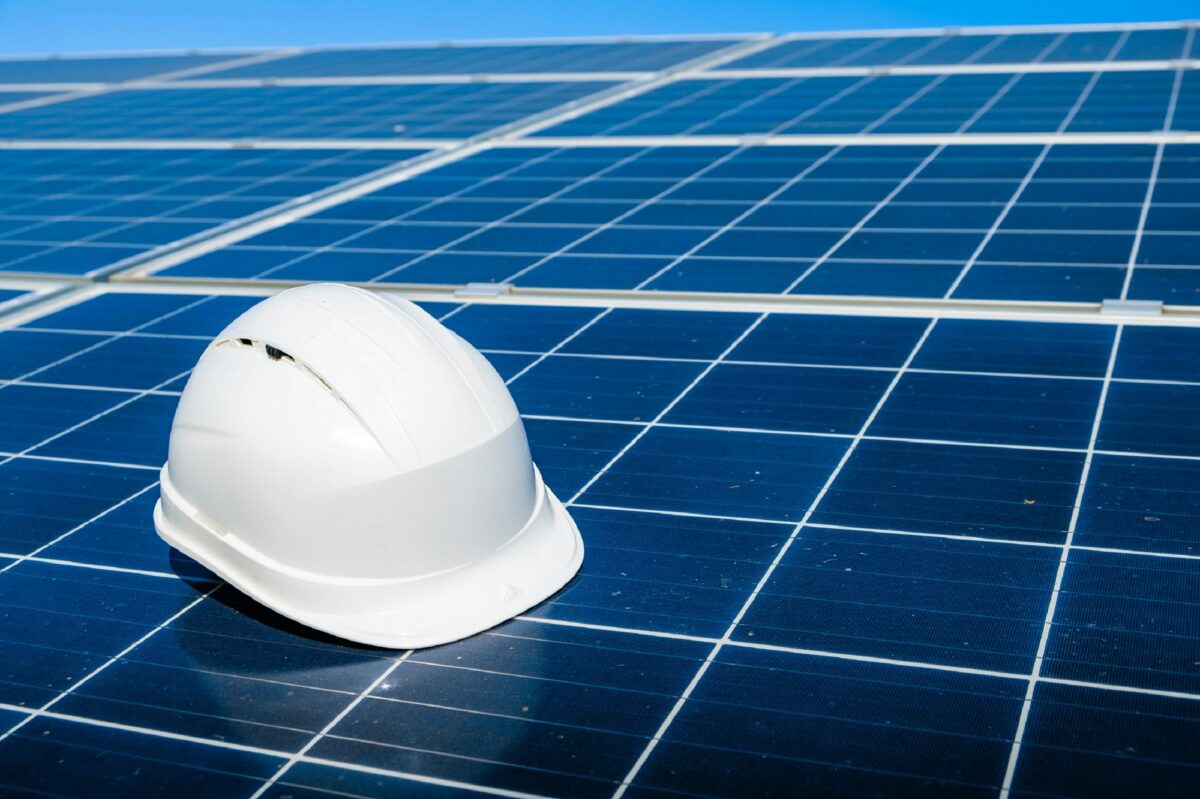





The SSI has adopted a new set of binding targets and reporting requirements for its manufacturer members.
The initiative, which first launched in 2022, is a solar-specific sustainability assurance program developed by SolarPower Europe and Solar Energy UK. It currently represents over 70% of global manufacturing capacity, with more than 85 GW of solar module capacity already certified against the SSI environmental, social and governance (ESG) standard.
Under newly agreed targets, the initiative has said that at least 80% of solar modules must come from SSI-certified sites as of the start of 2027, increasing to 100% of solar modules by the start of 2028.
The SSI said the new target sets a clear timeline for solar modules destined for the European Economic Area, Switzerland and UK to come from manufacturing sites certified against both the SSI ESG and supply chain traceability standards, ensuring that within three years all solar modules supplied to these areas are produced under robust ESG and traceability assurance.
SSI’s stakeholder board has also approved new reporting requirements for module manufacturers.
Beginning April 2026, SSI members will be required to inform the initiative’s secretariat of a list of all operational production sites, the annual production capacity of each site and planned dates and results of SSI ESG and supply chain traceability assessments.
SSI said it will use this information to track and verify progress across global operations, reinforcing accountability to governments, investors and buyers. An anonymized aggregated report of the information is also planned.
Rachel Owens, CEO of the initiative, said the targets will be reviewed and updated annually, with potential to expand further upstream to additional sites.
“By setting clear, measurable goals and requiring transparent reporting across all manufacturing facilities, the SSI is accelerating progress toward full ESG and traceability assurance in solar,” Owens added. “This work is critical to building trust with policymakers, investors, and consumers – and to ensuring that the energy transition is both fast and fair.”
This content is protected by copyright and may not be reused. If you want to cooperate with us and would like to reuse some of our content, please contact: editors@pv-magazine.com.


By submitting this form you agree to pv magazine using your data for the purposes of publishing your comment.
Your personal data will only be disclosed or otherwise transmitted to third parties for the purposes of spam filtering or if this is necessary for technical maintenance of the website. Any other transfer to third parties will not take place unless this is justified on the basis of applicable data protection regulations or if pv magazine is legally obliged to do so.
You may revoke this consent at any time with effect for the future, in which case your personal data will be deleted immediately. Otherwise, your data will be deleted if pv magazine has processed your request or the purpose of data storage is fulfilled.
Further information on data privacy can be found in our Data Protection Policy.