




A research team in China has demonstrated organic solar cells (OSC) with a protective interfacial layer and novel encapsulation that achieved high efficiency and enhanced stability.
The best performing cell based on the novel approach retained 94% of its initial 18% power conversion efficiency after standards-based testing at 85 C for 1,032 hours and 85% relative humidity damp heat, and across 200 thermal cycles.
“We confirmed that OSC can be intrinsically and extrinsically stable under damp-heat and thermal cycling tests,” Chang-Qi Ma, the research's corresponding author, told pv magazine.
“In detail, we developed a feasible method for screening the thermal stability of polymer blend films by measuring the UV-visible absorption of the blend film under thermal annealing. Secondly, we solved the thermal-induced interfacial degradation model and through the edge. Third, we quantitatively analyzed the water vapor transmission through a 2D model and through the edge seals,” Ma explained
The work started with temperature-dependent UV-visible absorption spectroscopy measurements, which enabled the research team to identify the onset temperature as the “critical threshold” for molecular mobility activation of polymer blends. The onset temperature was then used to screen semiconducting polymer blend candidates for thermally stable organic PV (OPV) devices.
“Additionally, by investigating thermally induced organic active layer/molybdenum trioxide (MoO3) interfacial degradation in inverted OPVs, we demonstrated that inserting a thin buckminsterfullerene (C60) interlayer between the active layer and MoO3 mitigates the ‘burn-in’ degradation, ensuring high intrinsic thermal stability,” the researchers noted.
Furthermore, to understand the moisture diffusion over the encapsulated cells, the team developed two-dimensional (2D) planar and edge moisture diffusion kinetic models for analyzing lateral water vapor diffusion, which provided encapsulation design principles.
As a result, they added a hot-press encapsulation step based on aluminum foil butyl tape (ABT) with a 200-μm thickness. It enabled a “low lateral water vapor diffusion rate, effectively preventing moisture ingress,” according to the research.
Testing compared the performance of a number of prototype blends made with a protective buckminsterfullerene (C60) layer. These had a variety of acceptors, such as L8-BO, BTP-eC9, Y6 and BO-4Cl. The inverted cell stack was optimized as follows: indium tin oxide (ITO) substrate, zinc oxide, active layer, C60, MoO3 hole transport layer, and silver (Ag) contacts.
The strategy delivered “outstanding stability” results under damp heat and thermal cycling tests, following International Summit on Organic Solar Cells Stability (ISOS) dark storage (ISOS-D-3) and thermal cycling (ISOS-T-3) protocols.
The best performing device in terms of efficiency was the PM6:BO-4Cl:PC61PeA combination. It had a certified PCE of 18.0%, which the researchers said places it among the highest efficiencies reported for this type of device.
The devices retained 94% of their initial efficiency after 1,032 hours at 85 C with 85% relative humidity damp heat, and 200 thermal cycles (-40 C to 85 C), which puts the results amongst the highest reported for cells characterized under the aforementioned ISOS protocols, according to the paper.
Future work will extend the stability-enhancing approach to large-area modules and the development of printable barrier-based thin-film encapsulation to reduce costs. The group is also continuing to investigate the degradation behavior of OSC under long-term operation.
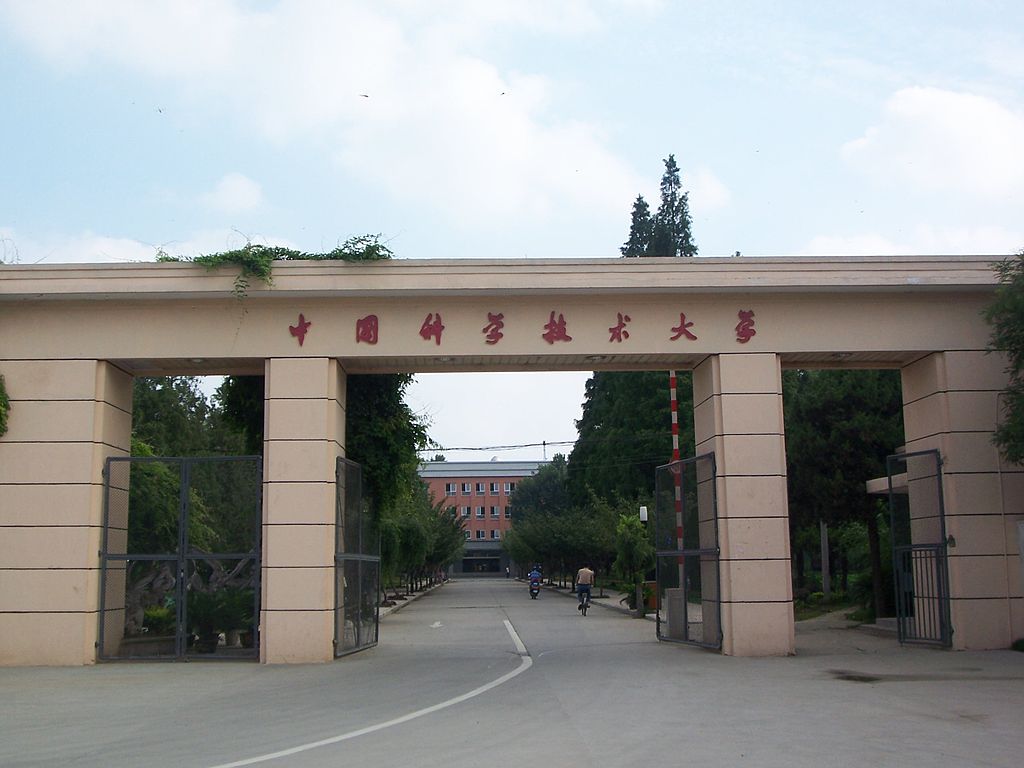
The researchers described in detail the multiple research steps and results in “Improved damp heat and thermal cycling stability of organic solar cells,” published in nature energy. They were from Suzhou Institute of Nano-Tech and Nano-Bionics, Chinese Academy of Sciences (CAS), University of Science and Technology of China (USTC), Henan University, Hyper PV Technology, and Anhui Yangde Temperature Control Technology.
This content is protected by copyright and may not be reused. If you want to cooperate with us and would like to reuse some of our content, please contact: editors@pv-magazine.com.


1 comment
By submitting this form you agree to pv magazine using your data for the purposes of publishing your comment.
Your personal data will only be disclosed or otherwise transmitted to third parties for the purposes of spam filtering or if this is necessary for technical maintenance of the website. Any other transfer to third parties will not take place unless this is justified on the basis of applicable data protection regulations or if pv magazine is legally obliged to do so.
You may revoke this consent at any time with effect for the future, in which case your personal data will be deleted immediately. Otherwise, your data will be deleted if pv magazine has processed your request or the purpose of data storage is fulfilled.
Further information on data privacy can be found in our Data Protection Policy.