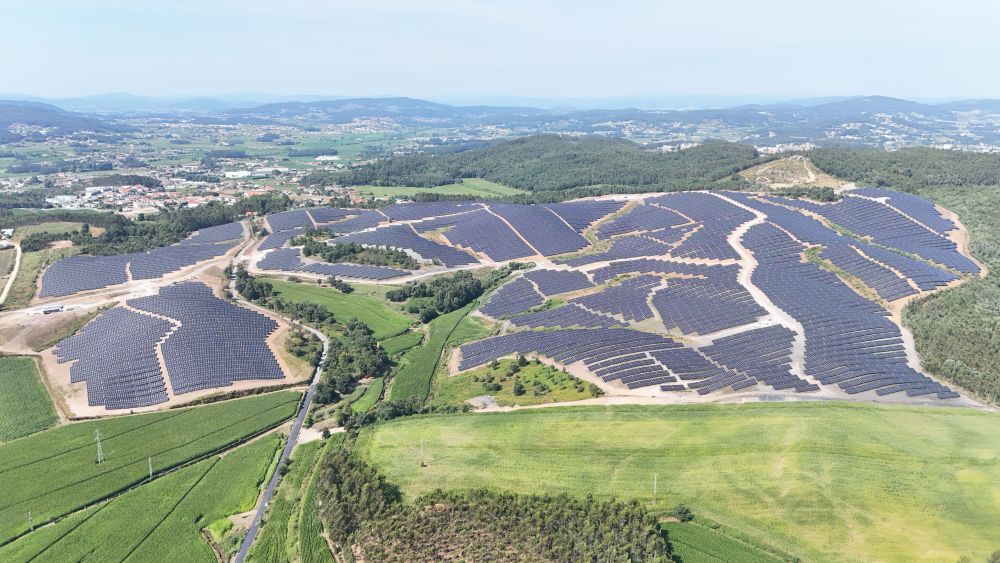





The renewable energy sector is undergoing an unprecedented transformation. In recent years, Europe has seen a strong expansion of solar photovoltaic energy, consolidating it as one of the main sources of clean power generation. However, this rapid growth has also brought increased price volatility and, in some countries, the more frequent appearance of negative prices in electricity markets.
Among other factors, the oversupply of solar generation during certain hours of the day, especially at times of maximum solar irradiation, has reduced the competitiveness of purely solar projects. In addition, the difficulty of securing long-term PPAs in an uncertain environment, where energy prices fluctuate unpredictably, has added new layers of complexity.
In this new landscape, the hybridization of renewable technologies, combining solar, wind, and storage, emerges as a strategic response to maintain profitability, stability, and sustainability across the sector.
Hybridization involves combining different renewable generation and storage sources within the same project or grid connection point. The most common configurations include solar PV + wind, solar PV + batteries, or solar PV + wind + batteries.
This integration diversifies the generation profile, balancing energy production throughout the day. When sunlight decreases, wind generation may pick up; and when both resources are limited, storage allows continued electricity supply. In short, hybridization turns renewable plants into more manageable, flexible assets that better align with the real demand of the power system.
One of the main benefits of hybridization is the ability to offer more attractive and stable energy products to clients. A hybrid PPA better covers consumption needs, reduces risks associated with the variability of a single source, and allows for more competitive long-term pricing.
Additionally, integrating storage and different technologies opens the door to participating in ancillary markets organized by electricity market operators, where generators can be remunerated for increasing or decreasing power according to system needs. This not only contributes to system stability but also enhances resource efficiency.
Energy management through batteries also introduces the possibility of intraday arbitrage, which was previously limited in renewable generation. By storing energy during low-profit hours and selling it during higher-priced periods, revenues are optimized and supply is better aligned with hourly demand trends.
Another challenge that hybridization helps overcome is grid limitations. In regions with high renewable concentration, it is not always possible to inject all the energy produced. Incorporating batteries allows energy to be stored and released later when the grid has available capacity. In short, this is a defensive measure that improves the overall performance of assets.
Finally, hybridization prepares the sector to participate in the future capacity market, already operational in countries such as France and Italy and under development in Spain. This new environment will allow companies like BNZ to generate additional revenue through more efficient asset management, thus reinforcing the economic sustainability of projects.
How hybridization helps mitigate volatility and negative prices
One of the major challenges for the renewable sector is simultaneous overgeneration, which drives prices down during certain time slots. Hybrid plants, being more flexible, reduce this pressure on the system: they can store energy or generate from different sources, adjusting output according to demand.
In this way, hybridization aligns generation with consumption curves, smooths volatility, and helps curb the trend of negative prices, fostering a more stable, efficient, and sustainable market in the long term.
At BNZ, we understand that hybridization is a key piece for the European energy transition; therefore, the company has made a strong commitment to integrating batteries and wind energy into its photovoltaic portfolio.
Hybridization is no longer a technical challenge or a one-off innovation: it is a structural necessity for the renewable sector to continue advancing. It maximizes revenue, diversifies risks, and mitigates volatility, while also promoting a more balanced and sustainable market.
The future of clean energy lies in integrating complementary technologies and providing them with flexibility. At BNZ, we firmly believe that this is the path to ensuring competitiveness, system security, and a solid, lasting energy transition.
About the author: Rodrigo López is the Head of Revenues at BNZ, Spainish independent power producer (IPP) focused on developing, building, and operating solar photovoltaic and other clean energy projects across Southern Europe, including Spain, Italy, and Portugal.
The views and opinions expressed in this article are the author’s own, and do not necessarily reflect those held by pv magazine.
This content is protected by copyright and may not be reused. If you want to cooperate with us and would like to reuse some of our content, please contact: editors@pv-magazine.com.

By submitting this form you agree to pv magazine using your data for the purposes of publishing your comment.
Your personal data will only be disclosed or otherwise transmitted to third parties for the purposes of spam filtering or if this is necessary for technical maintenance of the website. Any other transfer to third parties will not take place unless this is justified on the basis of applicable data protection regulations or if pv magazine is legally obliged to do so.
You may revoke this consent at any time with effect for the future, in which case your personal data will be deleted immediately. Otherwise, your data will be deleted if pv magazine has processed your request or the purpose of data storage is fulfilled.
Further information on data privacy can be found in our Data Protection Policy.