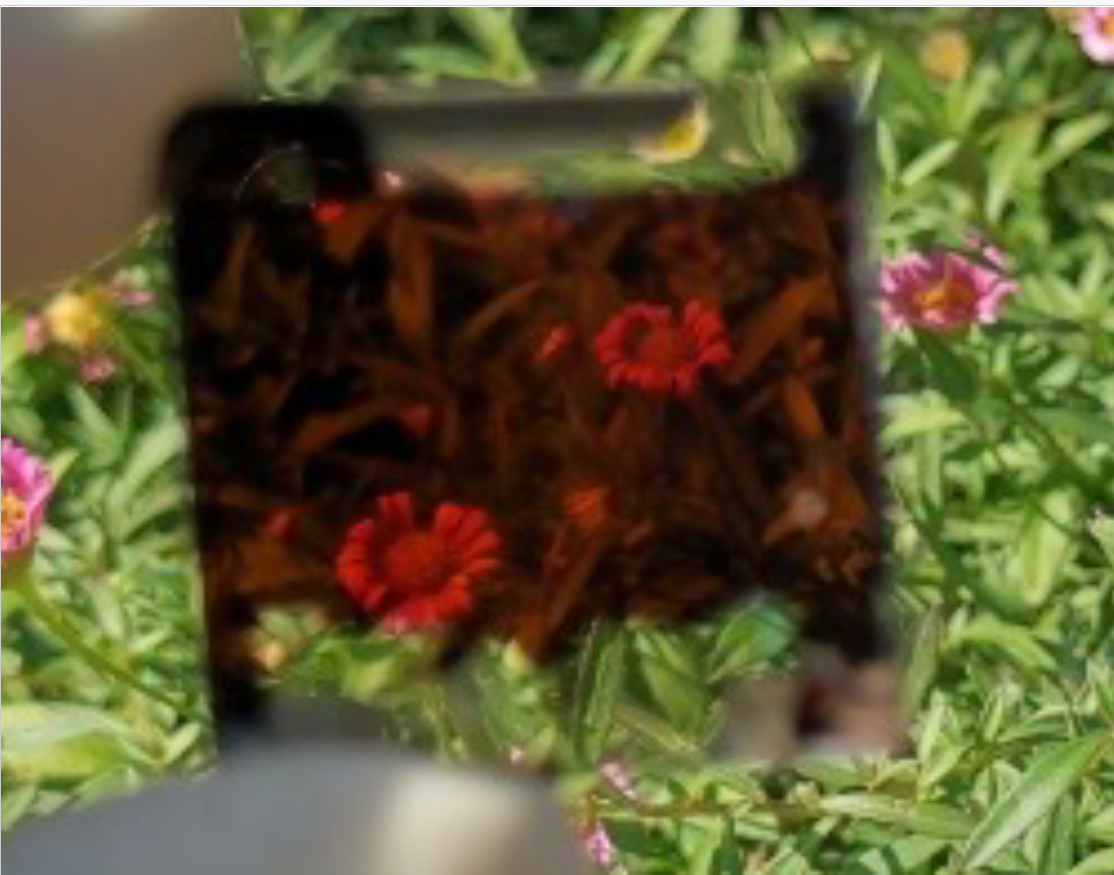





Researchers at Hebrew University of Jerusalem developed a method to fabricate semi-transparent, flexible halide perovskite solar cells with tunable transparency and color via 3D micro-printed structures in a low-temperature process.
The devices have demonstrated good power conversion efficiency levels, visible transparency, enhanced stability during extended operation and after repeated bending tests. Potential applications include building-integrated photovoltaics (BIPV) and indoor PV devices, according to the research.
“This study introduces several key innovations. First, it demonstrates the ability to precisely control device transparency without compromising the intrinsic optical properties of the semiconductor. Second, the fabrication process relies largely on printing method using non-toxic solvents, enabling a more sustainable and scalable manufacturing route,” corresponding author of the research, Lioz Etgar, told pv magazine.
“Third, the incorporation of a pillar-based architecture significantly enhances both chemical and mechanical stability, providing improved durability compared to conventional planar device structures,” he added.
Optical transparency was achieved via 3D-printed micro-patterned pillar structures and a solvent-free monomer. Color tunability was controlled by the thickness of the top transparent electrode, designed as a dielectric-metal-dielectric stack, according to the paper.
In laboratory tests, the flexible solar cells reached power conversion efficiency of up to 9.2%, with about 35 percent average visible transparency across the visible spectrum in the 400-800 nm range, according to the researchers.
The proof of concept devices measured 2.5 cm x 2.5 cm. “Long-term stability tests under ambient conditions and illumination for 1,200 hours showed that pristine devices degraded to about 40% of the initial PCE, compared to circa 80% for pillar-embedded devices,” said the academics.
They had stable performance after repeated bending and during extended operation, the researche group noted, adding that it would make the technology suitable for use in curved or unconventional architectural applications.
The cells had the following composition: flexible indium tin oxide (ITO) coated polyethylene naphthalate (PEN) substrate, tin oxide (SnO2) electron transport layer (ETL), polymer pillars, perovskite, Spiro-OMeTAD hole transport layer (HTL), and a transparent top electrode based on molybdenum oxide (MoOx) and gold (Au). A double-cation, double-halide lead-based perovskite was used as it was considered more stable than the triple-cation perovskite with methylammonium, according to the study.
The researchers concluded that the flexible solar cells with their “outstanding bending durability and long-term operational stability” demonstrate the potential for printable, semi-transparent, and color-controlled perovskite solar cells.
Future improvements suggested by the would address long-term durability through protective encapsulation and barrier layers, with the goal of moving the technology closer to commercial use.
With further tuning of the pillar density and height along with the perovskite composition, there is potential to achieve higher efficiencies, according to Etgar.
The research is described in “Semitransparent color tunable perovskite solar cells with 3D pillar structure,” published by EES Solar.
As for current research activity, the focus is on advanced materials chemistry and device engineering applied to hybrid perovskite materials. “The research spans the development of stable and scalable perovskite solar-cell architectures, including semi-transparent and flexible, as well as the exploration of multifunctional properties such as piezoelectricity for sensing applications,” said Etgar.
Other research includes sustainable fabrication strategies, such as printable processes, low-temperature manufacturing, non-toxic solvents to improve long-term device stability and performance.
This content is protected by copyright and may not be reused. If you want to cooperate with us and would like to reuse some of our content, please contact: editors@pv-magazine.com.

By submitting this form you agree to pv magazine using your data for the purposes of publishing your comment.
Your personal data will only be disclosed or otherwise transmitted to third parties for the purposes of spam filtering or if this is necessary for technical maintenance of the website. Any other transfer to third parties will not take place unless this is justified on the basis of applicable data protection regulations or if pv magazine is legally obliged to do so.
You may revoke this consent at any time with effect for the future, in which case your personal data will be deleted immediately. Otherwise, your data will be deleted if pv magazine has processed your request or the purpose of data storage is fulfilled.
Further information on data privacy can be found in our Data Protection Policy.