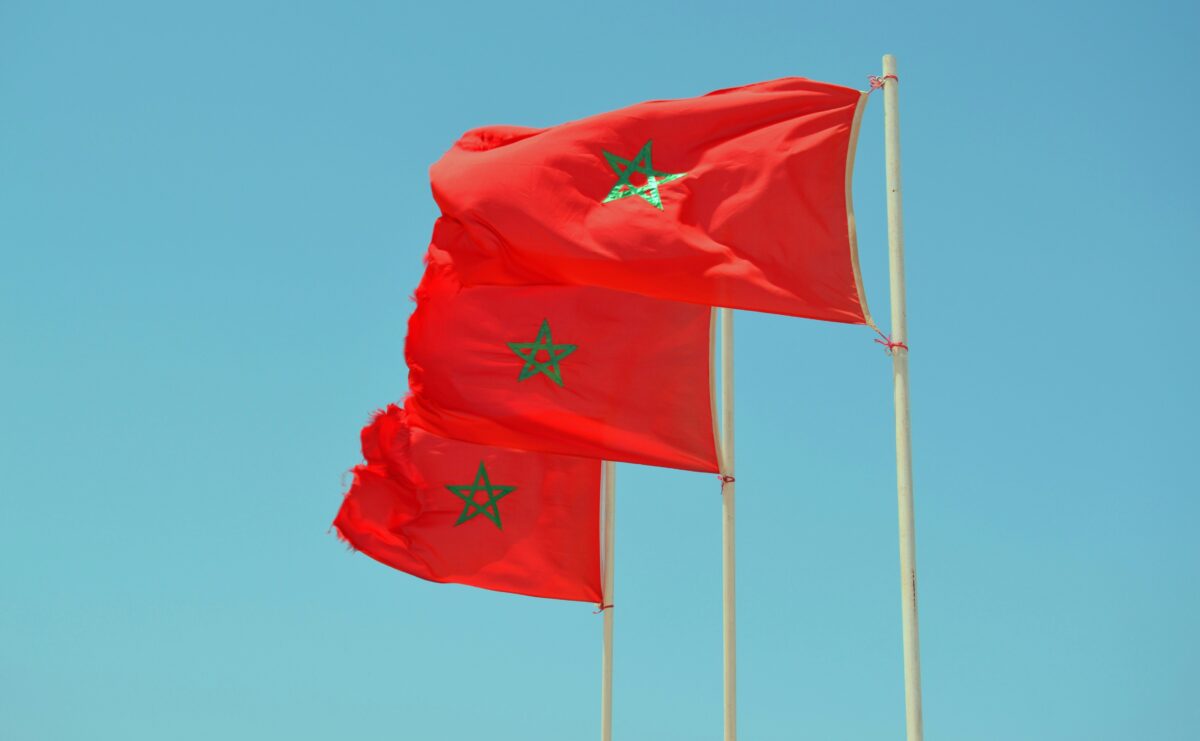





Morocco‘s National Electricity Regulatory Authority (ANRE) has set new net‑metering tariffs for excess solar power for the period from 1 March 2026 to 28 February 2027.
Power plant owners will receive MAD 0.21 ($0.023)/kWh during peak hours and MAD 0.18/kWh during off‑peak hours.
The tariffs apply to high- and extra-high voltage networks, as well as medium-voltage distribution networks. The low-voltage tariff, for residential PV systems, will be determined later once the regulatory and technical framework is established, the ANRE said.
So far, Morocco’s net‑metering regime has primarily applied to industrial and commercial plants connected to high- and medium-voltage grids, rather than residential PV, as no decree has been fully implemented for low-voltage connections.
Under the system, in force since 2015, plant owners can sell up to 20% of generated energy to the grid each year.
Morocco could install up to 28.6 GW of distributed solar, producing 66.8 TWh of electricity and creating a $31 billion market, according to new research from the Imal Initiative for Climate and Development.
The report links this distributed potential to Morocco’s wider low-carbon transition, which expects 2.5 million electric vehicles by 2035. Their combined battery capacity of 39,420 GWh could cover up to 98% of EV charging needs in the optimistic case.
This content is protected by copyright and may not be reused. If you want to cooperate with us and would like to reuse some of our content, please contact: editors@pv-magazine.com.



By submitting this form you agree to pv magazine using your data for the purposes of publishing your comment.
Your personal data will only be disclosed or otherwise transmitted to third parties for the purposes of spam filtering or if this is necessary for technical maintenance of the website. Any other transfer to third parties will not take place unless this is justified on the basis of applicable data protection regulations or if pv magazine is legally obliged to do so.
You may revoke this consent at any time with effect for the future, in which case your personal data will be deleted immediately. Otherwise, your data will be deleted if pv magazine has processed your request or the purpose of data storage is fulfilled.
Further information on data privacy can be found in our Data Protection Policy.