
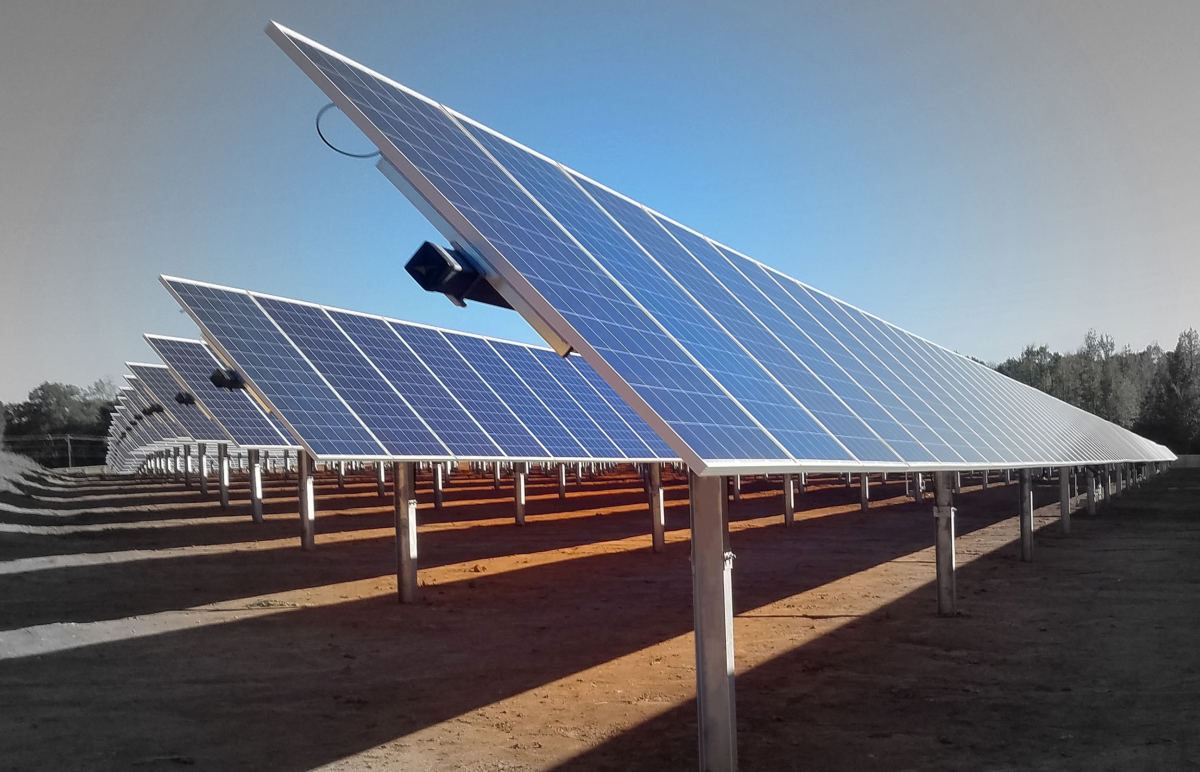





Solar energy projects are undergoing a rapid transformation in both scale and technical complexity. Increasing installed capacities and service life expectations exceeding 25 years now require the steel used in supporting structures to be considered not merely as a construction material, but as an engineering component that directly influences overall project performance. This shift calls for a holistic evaluation of factors such as production quality, processing precision, surface protection performance, and on-site integration.
Within this evolving framework, supply continuity and quality consistency have become critical requirements for large scale solar projects involving multiple site phases. The integration of high volume production capacity with surface protection and processing capabilities plays a decisive role in planning and risk management for projects executed simultaneously across different geographies. The ability to deliver steel support systems with consistent technical standards and predictable lead times enables EPC contractors to manage project schedules with greater confidence.
In this context, the role of steel in solar infrastructure extends beyond the supply of a single material and is increasingly positioned as part of a broader engineering process. Traceability, quality control, and compliance with international standards throughout the production chain – from raw material to finished product – are becoming essential for stakeholders seeking consistency across long-term project portfolios. Vertically integrated production and planning approaches are emerging as key enablers in meeting these expectations.
Complementing primary production processes, computer numerical control (CNC) drilling, cutting, and project-based custom fabrication capabilities allow steel components to be delivered in installation-ready form, fully aligned with site requirements. Integrated production and processing models help make assembly timelines more predictable, streamline logistics, and enable more controlled site implementation.
From a long-term performance perspective, corrosion resistance remains one of the fundamental determinants for solar support structures. Optimized hot-dip galvanizing processes designed for diverse climate conditions and service life scenarios support the preservation of structural integrity throughout the lifetime of the installation.
On the sustainability front, carbon reporting, life cycle assessments, and low-carbon transition targets are driving greater transparency and efficiency expectations across steel supply chains. The optimization of material use and extension of service life are increasingly recognized as key contributors to reducing lifecycle emissions across solar projects.
As global solar investments continue to expand, the role of steel is evolving from a commodity-based input into a core element of integrated engineering solutions. Organizations capable of combining production capacity with engineering expertise within a unified operational structure are becoming increasingly influential in shaping this transformation.
For more information, visit the Kocaer Steel Industry website.
This content is protected by copyright and may not be reused. If you want to cooperate with us and would like to reuse some of our content, please contact: editors@pv-magazine.com.

By submitting this form you agree to pv magazine using your data for the purposes of publishing your comment.
Your personal data will only be disclosed or otherwise transmitted to third parties for the purposes of spam filtering or if this is necessary for technical maintenance of the website. Any other transfer to third parties will not take place unless this is justified on the basis of applicable data protection regulations or if pv magazine is legally obliged to do so.
You may revoke this consent at any time with effect for the future, in which case your personal data will be deleted immediately. Otherwise, your data will be deleted if pv magazine has processed your request or the purpose of data storage is fulfilled.
Further information on data privacy can be found in our Data Protection Policy.