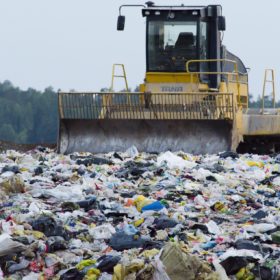
PV waste a rising challenge for Bangladesh
With concerns over the mountains of PV system waste that will one day pile up around the world, Bangladesh is no exception – the nation currently has no solar panel recycling policy.
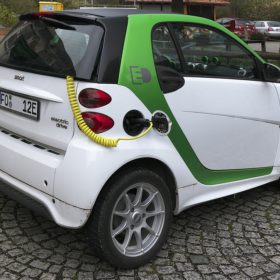
Australians across all parties support EV policy and expect to buy electric cars
Coming hot on the heels of major reports and a heated public debate about electric vehicles, a poll commissioned by the Climate Council has confirmed Australians believe electric cars are the future. Another poll, by The Australia Institute, has 50% of Australian voters supporting all car sales being electric by 2025.
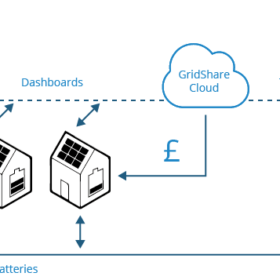
Moixa to build virtual power plant as first phase of UK smart energy project
The storage supplier will set up a mixed-asset virtual power plant that will initially aggregate up to 2 MW of capacity as the first phase of a planned smart local energy system in southern England. Moixa aims to eventually scale the VPP up to 17 MW.
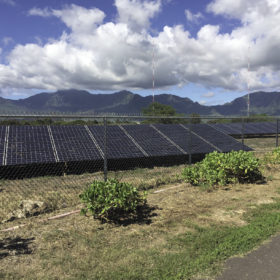
Battery group unveils online map of global storage installations
The Consortium for Battery Innovation has produced an interactive, online map highlighting the location of lead-battery storage installations worldwide.
App mobility service to add 300 e-buses in India by 2020 as utility pledges to go all-electric by 2030
Mobility company Shuttl will also set up more than 50 EV charging points in prime locations and state-run power distributor BSES Rajdhani Power Limited will invest in testing facilities to support stabilizing the grid for EV charging, as well as pilot schemes on effectively integrating renewable electricity into its network.
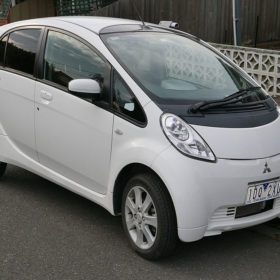
Mitsubishi offers residential solar-plus-storage EV charging in Japan and Europe
The Dendo Drive House includes a solar system, residential storage and a bi-directional charger. Mitsubishi says it reduces electric bills and fuel costs by enabling battery charging from the grid at night, when power prices are cheaper, and can also draw power from an electric vehicle.
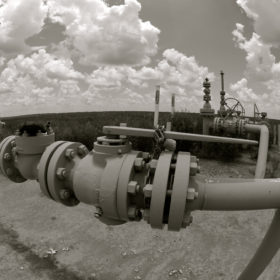
Belgian scientists develop solar hydrogen panel
The innovation is said to be able to produce 250 liters of hydrogen per day and can convert sunlight and water vapor from the air directly into hydrogen gas with an efficiency of 15%.
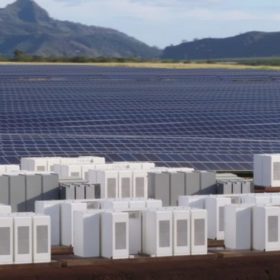
Storage set to come of age in the next five years
The transition for utility scale storage from offering short duration, high value grid services to the world of long duration energy peaking could spell the end of fossil fuel backup generation within five years.
Italy offers incentives for EVs
A budget of €60 million has been allocated for this year, in 2020 and 2021 it will rise to €70 million. Applications for the incentives can be submitted from today.
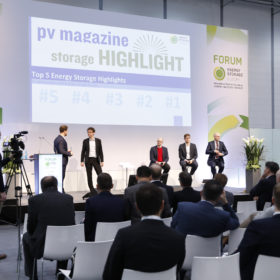
Video: Storage Highlights winners in interview
Messe Düsseldorf has partnered with pv magazine for a special publication for Energy Storage Europe 2019. As part of the project, we tasked an independent jury of experts to rank a range of Energy Storage Highlights that were exhibited at the event. During the show, our editors caught up with the top five entries to get a bit of an insight.
