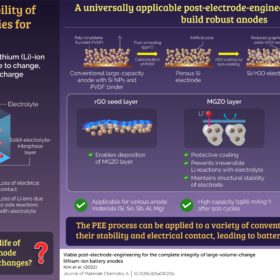
Universal method to improve lifespan of lithium-ion batteries
Researchers at the Gwangju Institute of Science and Technology (GIST) have developed a broadly applicable and versatile post-electrode-engineering process. It can be applied to a range of conventional anodes to improve their stability.
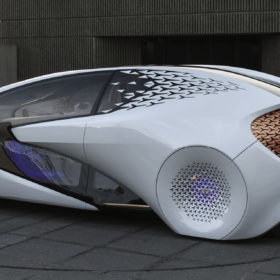
The weekend read: Hype and hope for solid-state batteries
Hype and hope for solid-state batteries (SSBs) continues to grow as industries from automotive to storage bet big on the technology. Leading battery manufacturers and a roll call of start-ups are jostling to get from lab to fab. The reality of SSBs is in question though. As Marija Maisch reports, the window of opportunity for the decades-old technology to make the next big step toward commercialization is now.
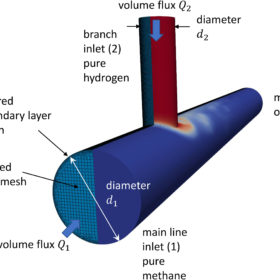
The Hydrogen Stream: Traditional hydrogen blending could damage gas pipelines, say researchers
UK researchers have revealed that gaseous hydrogen could cause problems in natural gas pipelines, while electrolyzer manufacturer Nel has announced plans to build a second production line in Norway.
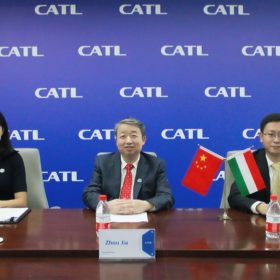
CATL unveils plans for 100 GWh battery plant in Hungary
China’s Contemporary Amperex Technology Co. Ltd. (CATL) has announced plans to invest €7.34 billion ($7.6 billion) to build a 100 GWh battery plant in Debrecen, Hungary. It will be the company’s second battery cell manufacturing facility in Europe.
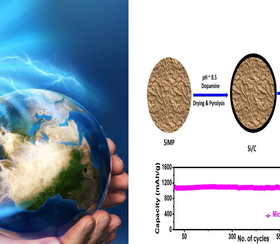
Resilient anode material for high-performance lithium-ion batteries
Scientists in Japan have developed black glasses grafted silicon microparticles as a negative electrode material to improve lithium-ion battery performance.
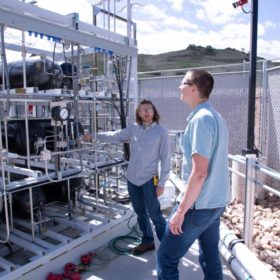
The Hydrogen Stream: Proposed US tax credit could support US hydrogen
The US House of Representatives is set to vote on a bill this week that could provide a new production tax credit for green hydrogen production, while the European Commission has approved plans to support renewable hydrogen in Romania.

Magnesium superionic conductor for lithium-free solid-state batteries
Scientists in Japan have developed a novel metal-organic, framework-based magnesium ion conductor with superionic conductivity, even at room temperature.
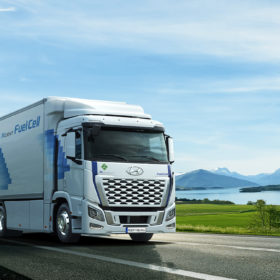
The Hydrogen Stream: Hyundai to export heavy-duty hydrogen trucks to Germany
Seven German companies have agreed to put 27 Hyundai heavy-duty fuel cell trucks into fleet service in the coming months. American Airlines has revealed an investment in ZeroAvia, while New Fortress Energy has invested in a 120 MW industrial-scale plant in Texas.
High-performance aqueous calcium-ion battery
Researchers from Rensselaer Polytechnic Institute in the United States have developed a special class of materials for bulky calcium ions, providing pathways for their facile insertion into battery electrodes.
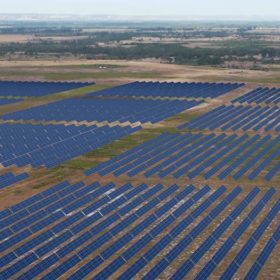
Australian solar park could generate hydrogen for less than $2/kg
A new study shows that hydrogen could be produced for as little as AUD 2.85 ($1.98) per kilogram, supporting Frontier Energy’s plans to make green hydrogen from a 500 MW solar project it is developing in Western Australia.
