
The weekend read: Taking batteries from lab to market
The conversation around battery cell production may be heated, but it is largely confined to the advanced industrial economies of China, Japan, South Korea and the U.S. Although also a high-tech hub of innovation and manufacturing expertise, Europe has been on the outside looking in for some time. But that could all be about to change as two exciting storage production programs take flight.
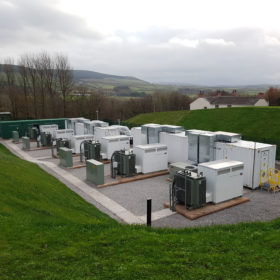
UK Capacity Market Auction results draw criticism over lack of renewables
Fossil fuel sources received the most back-up generation power capacity, according to the provisional results of the latest Capacity Market Auction, released today by the U.K.’s National Grid. The country’s Renewable Energy Agency (REA) has criticized the results, stating the government is blocking new renewable energy projects.

Tesla shows interest in Chilean lithium
The head of the Chilean Economic Development Agency (Corfo), Eduardo Bitran said that Tesla may partner with local lithium manufacturer, SQM in the construction of a factory. The Chilean government and SQM have recently settled a dispute that began in 2014.

Battery storage challenges: Materials, longevity and project management
An academic event held last week in the U.K. presenting the results of two major research projects on energy storage provided an update on the current and future directions of battery storage technology and development.

Stem closes $80 million funding round
The energy storage company will receive the money from three different investors, including the Ontario Teachers’ Pension Plan.
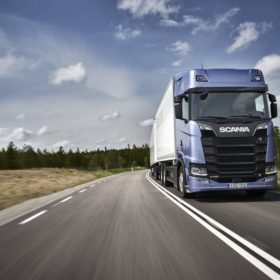
VW-owned Scania to invest €10m in Northvolt’s battery cell manufacturing fab
The truck maker is to partner with Northvolt on developing and commercializing battery cells for use in heavy commercial vehicles.
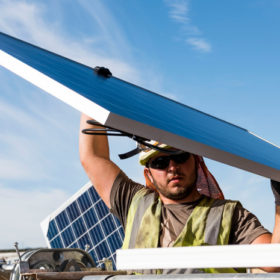
GTM Research predicts 11% reduction in the US solar market from tariffs
President Trump’s tariff decision was not the worst-case scenario for the U.S. market, but GTM Research says it will still have effects, particularly in marginal and emerging regional markets.
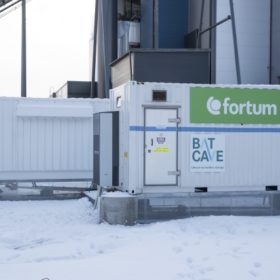
Battery, smart grid and efficiency companies raise $1.5 bn in VC funding in 2017 – Mercom
In 2017, battery storage, smart grid and energy efficiency companies saw a YoY increase in venture capital funding, garnering a combined US$1.5 billion, up from the $1.3 billion raised in 2016, finds the latest Mercom Capital report.

UK’s Faraday Institution announces further £42m for storage research
Backed by the U.K. government, the Faraday Institution’s latest program sees four consortia receive funding to conduct application-inspired research into addressing challenges in electric vehicle batteries.
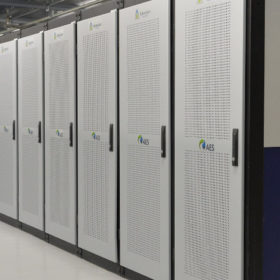
AES, Siemens launch energy storage platform Fluence, confirm involvement in 100 MW LA storage project
Collaboration between the U.S. energy firm and the German power electronics giant officially licensed on January 1, as details of a massive 100 MW/400 MWh lithium-ion battery storage project in California were announced.
