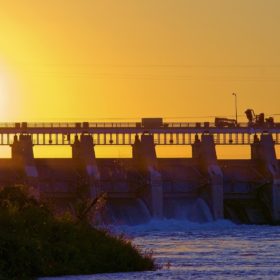
Renewables and geopolitics: water and sun pivots to new world order
In our series of renewable energy and geopolitics interviews, Indra Øverland – head of the Center for Energy Research at the Norwegian Institute for International Affairs – explains why hydropower can be the perfect match for intermittent renewables such as solar and wind. Hydropower assets are one of the biggest geopolitical stories of the energy transition but receive almost no attention. Nations with strong hydro potential may become linchpins of regional renewable energy.
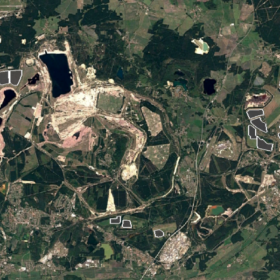
Large clusters of solar power stations
In the last of a series of blogs, solar pioneer Philip Wolfe looks at areas where solar generating stations are clustered together, without the coordination afforded by organised solar parks.
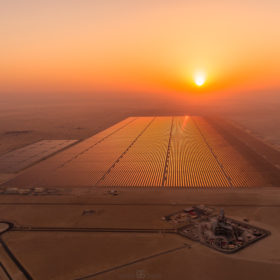
Saudi’s ACWA Renewables sells 49% stake to China’s Silk Road Fund
The Chinese state-owned infrastructure investment fund, which already has strong ties to the Saudi power company, will be a major shareholder in a Middle East and African clean energy portfolio that adds up to 1668 MW of generation capacity.
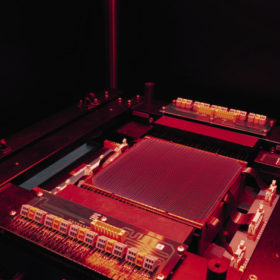
The weekend read: One side or two
Bifacial modules are here to stay. But even as manufacturers commit further capacities to two-sided module production spanning a whole range of technologies, there are still challenges to overcome, to fulfill predictions that bifacial will represent almost 40% of all modules produced inside the next decade. Flash testing conducted at the end of cell and module production presents one of these, and there is plenty of debate among equipment suppliers as to how this manufacturing stage should treat bifacial cells and modules.

Longi to spend $349m on new 5 GW module fab in Taizhou
The world’s number one mono silicon module manufacturer will add another 5 GW to its annual panel production capacity in 2020 as it pursues 16 GW of output this year and 25 GW next year.
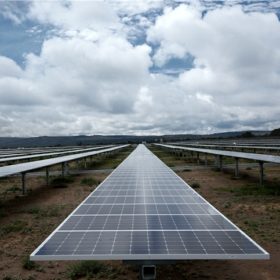
Mexico reaches 4 GW milestone
Of the nation’s installed operational PV capacity, 3,364 MW is in the form of solar parks while distributed generation contributes around 693 MW.
New York Senate passes the biggest renewable energy mandate in the US
The 70%-by-2030 renewable energy provision in legislation S6599 is second only to Washington DC’s 100% by 2032 aim, and includes targets of 6 GW of distributed solar by 2025 and 3 GW of energy storage by 2030. It is expected to pass the assembly today.
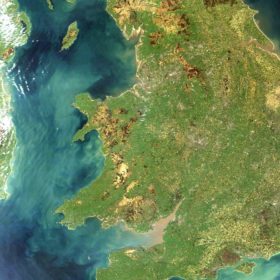
Statera announced as partner on 1 GW virtual power plant in the UK
Norwegian hydropower company Statkraft has revealed more details of its solar-storage-wind-gas network. Previously announced plans to potentially double capacity this summer were not mentioned in the update.
India mulls ban on diesel and petrol driven vehicles
The new government’s chief policy thinktank has suggested banning sales of non-electric two and three wheelers in 2025 and cars, trucks and buses five years later as well as forcing public fleets and the cars used by ride hailing apps to be electric.
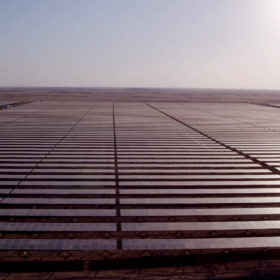
Ib vogt finishes 166.5 MW solar system at Benban
The German PV company had reached commercial operation of the first batch of its project at the huge Egyptian solar park in February 2018. Participants in the 1.8 GW solar park receive tariffs set in the nation’s second FIT tender round.
