Egypt receives two bids under $0.03/kWh in 200 MW solar tender
The lowest bid was submitted by Spanish developer Fotowatio, which offered US$0.02791 per kWh. Slightly higher, at $0.02799 per kWh, was the offer of Saudi power company, ACWA.
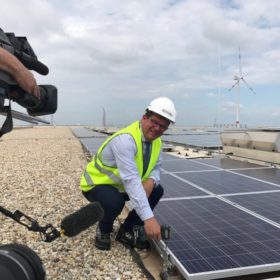
Engie to build Belgium’s largest solar park
Construction on the 100 MW Kristal Solar Park is set to start in October. The facility will be located near the town of Lommel, in the Flemish province of Limburg. The project developer, local investment agency, Limburgse investeringsmaatschappij (LRM) said the project will be 34% cheaper than expected.

France allocates 720 MW in large-scale solar tender, final average price reaches €58.2/MWh
In the fourth of six tenders totaling 4 GW planned for the utility-scale segment, the French government selected 103 solar projects. In the next two, and final, rounds, around 1.7 GW of additional solar capacity will be assigned.
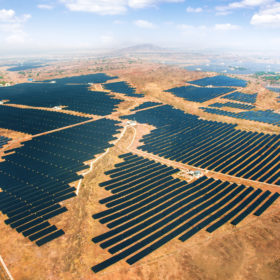
SECI launches 750 MW Rajasthan tender
With a maximum fixed tariff of $0.0427/kWh under a 25-year PPA, the total capacity available is made up of 10 MW multiples and could potentially all go to one bidder.
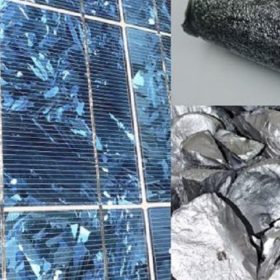
Beijing about-turn influenced collapse of polysilicon deal
Shanghai Electric says the Chinese government’s abrupt decision to rein in solar was a significant factor in the collapse of its planned $3.64 billion acquisition of a controlling stake in the world’s biggest poly maker.

Albania tenders 50 MW of solar
Through the auction, the authorities in Tirana aim to build a solar park in the Akërni salt flats, near Vlorë.
Fitch revises up outlook for French solar market
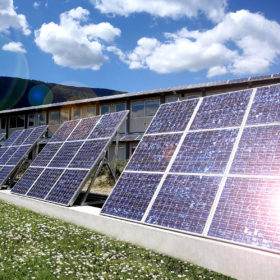
The U.S. firm expects France will reach a cumulative capacity of 28 GW by 2027, 3 GW more than previously forecast. The reasons for the increase are the renewed efforts of the French government to push for more solar, and the solar plans of big energy players such as EDF and Total.
Taiwan: Schedule agreed for three-way solar merger
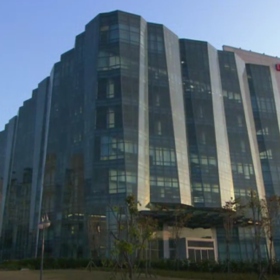
A timetable has been set for the merger of three of Taiwan’s largest solar cell manufacturers, according to reports from the state-owned Central News Agency. The companies held separate board meetings last week and confirmed the transaction is set to be completed on October 1.

Facebook likes clean energy as corporate purchasing sets record
The social media titan is the world’s biggest corporate buyer of renewable energy so far this year. BNEF figures show the company has already secured 1.1 GW of green power this year, helping the corporate world break last year’s landmark.
The weekend read: More strings to the bow
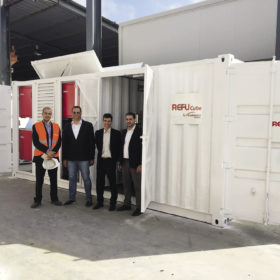
New developments in inverter architecture suggest that string inverters have charged forwards again to take on the challenge and kick central inverters off the throne in the utility-scale market. Hardware design innovations allowing to cut down BoS capex and improve efficiency of the plants might push string inverters further to take more space in the utility-scale market place.
