The weekend read: More strings to the bow
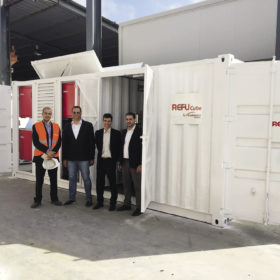
New developments in inverter architecture suggest that string inverters have charged forwards again to take on the challenge and kick central inverters off the throne in the utility-scale market. Hardware design innovations allowing to cut down BoS capex and improve efficiency of the plants might push string inverters further to take more space in the utility-scale market place.

Sale of controlling stake in China’s largest poly maker falls through
Shanghai Electric’s move to take over GCL-Poly’s Jiangsu Zhongneng has fallen through because conditions are not ‘mature enough’. The development, announced this afternoon to the Hong Kong Stock Exchange, will be closely watched by the global solar industry.
Proposal to take Hanwha Q Cells back into private ownership
With Hanwha Solar Holdings already owning 94% of the company, the module manufacturer could soon be a private company again. The Korean solar company says the transaction would cost the holding company around $45 million.
Prices begin to stabilize, though falling revenues and job losses expected among Chinese manufacturers
According to reports from Energy Trend, a 30% decline in PV demand from China this year will likely spell trouble for some of the country’s major module manufacturers, with job losses and factory closures expected, despite China’s determination to open new international markets for its PV industry.
Even with duties, Chinese PV modules will be competitive in India
Despite safeguard tariffs against certain imports of solar PV products into India, Chinese manufactured modules will remain competitive, says TrendForce. It further anticipates PV demand falling 30% in fiscal year 2018 in India, while cost pressures will mount for EPCs and project developers.

BREAKING: Trump calls for 25% tariffs on Chinese inverters, other products
U.S. President Donald Trump has asked trade officials to consider increasing import duties from 10% to 25% on a list of products from China, including inverters, AC modules and non-lithium batteries.
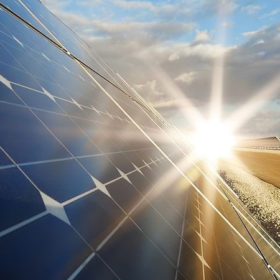
Solar power production reaches new high in Germany in July
With over 6.17 TWh, solar power generation surpassed its previous record of 5.93 TWh, set just two months earlier.
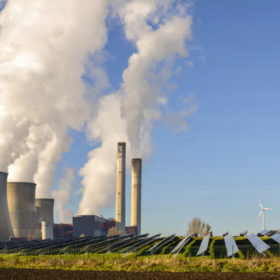
World Overshoot Day comes early this year
World Overshoot Day marks the day the world has used up its annual budget of the resources it could have sustainably consumed. Despite efforts in relevant sectors, the date is creeping forward every year. Twenty years ago, it was in late September.

Italian PV market registers 18% YOY drop in H1 2018
Despite recent announcements for large-scale solar projects across Italy, the country has seen just residential and commercial and industrial projects come online in 2018. Meanwhile, solar has been able to cover 8% of national demand in the first half of this year.
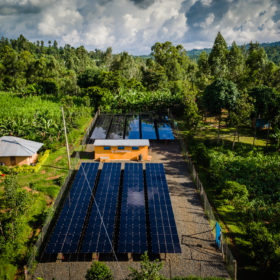
Chinese shadow over latest IEA world energy report
The International Energy Agency’s latest study of global energy investment paints another rosy picture for solar – even as the authors warn of missed sustainable growth targets – but the report covers last year, and notes China’s policy about-turn could blow a cold wind through PV.
