New method to calculate levelized cost of hydrogen
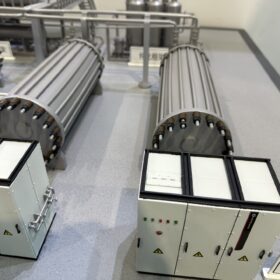
Scientists in Australia have incorporated overload capacity and power-dependent efficiency of the electrolyser in a novel techno-economic model to calculate the levelized cost of hydrogen. The proposed methodology was applied to ascertain the impact of internalizing environmental costs on the cost-competitiveness of green hydrogen compared to grey hydrogen.
The Hydrogen Stream: Brazil signs hydrogen support scheme
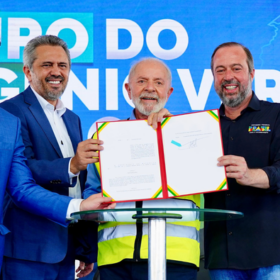
As Brazil starts its low-carbon hydrogen program, industry consolidation continues with two M&A operations in Italy and Texas.
The Hydrogen Stream: Canada, Italy announce funds for hydrogen trade, infrastructure
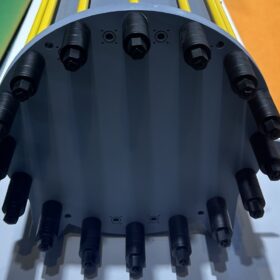
Canada and Italy announced funds for hydrogen projects. Meanwhile, a team of researchers explained that Australia should ship hydrogen to Japan by 2030 via methyl cyclohexane (MCH) or liquid ammonia (LNH3), not completely rejecting the option of liquid hydrogen (LH2).
H-TEC to start 1 GW capacity production of PEM electrolyzers in September
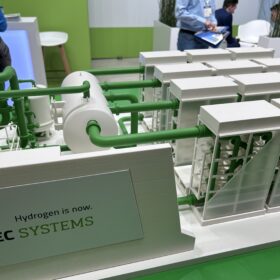
H-TEC will be able to produce more than 1 GW of electrolyzers starting next year. “We installed the first production lines and will have our official opening in September this year,” Maximilian Kuhnert, sales manager at H-TEC, told pv magazine.

Spain unveils €2.3 billion support program for hydrogen development, renewable energy sectors
The country’s ecological transition ministry has published the regulatory bases of aid to large hydrogen clusters, industrial capacities in solar, wind energy, heat pumps, batteries and electrolysers; innovative renewable energy, storage and heat pump projects; and energy communities.
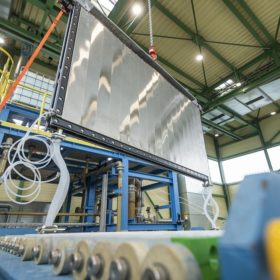
The Hydrogen Stream: thyssenkrupp nucera sees uncertainties in the medium term
Thyssenkrupp nucera warns of possible delays in hydrogen projects, with consequences for producers. Meanwhile, Shanghai Electric seems bullish about the market and its ability to drive costs down.
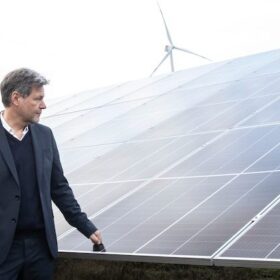
The Hydrogen Stream: German government adopts import strategy to create investment security
A new hydrogen import strategy is expected to make Germany better prepared for increasing demand in the medium and long term. The Netherlands, meanwhile, saw its hydrogen market grow considerably across supply and demand between October and April.
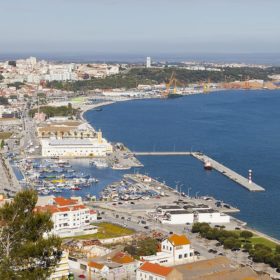
Portugal launches first auction for green biomethane and hydrogen
The government will auction up to 127 GWh/year of hydrogen with a maximum price of €127/MWh, and up to 150 GWh/year of biomethane with a maximum price of €62/MWh.
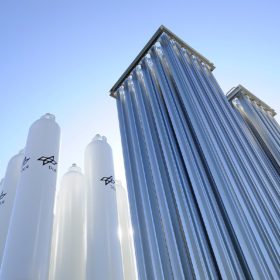
Spanish researchers develop materials to obtain hydrogen from water via microwave radiation
The developed process allows green hydrogen to be obtained from renewable electrical energy due to the design and use of materials that have redox properties and that respond to microwave radiation.
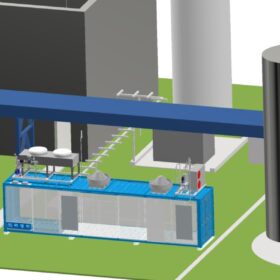
Fraunhofer IEG building new sector coupling test facility to increase electrolyzer, heat pump efficiencies
The city of Zittau has now granted the building permit for the test facility, which is to be constructed by the beginning of next year. The aim is to develop cost-effective electrolyzers for the production of green hydrogen, in which the by-products oxygen and heat can be optimally used.
