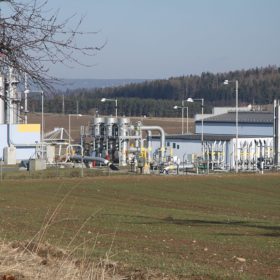
Oil and gas reservoirs are cheapest options for underground hydrogen storage
New research from Ireland shows that depleted oil and gas reservoirs may be used to store hydrogen at a cost of $1.29/kg. According to the researchers, underground hydrogen storage may benefit from the technological maturity of the geologic storage of natural gas and CO2, which are associated with decades of established knowledge.
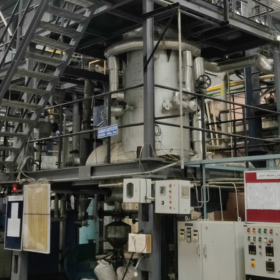
The Hydrogen Stream: Steam-based tech to produce 100 g of hydrogen from 1 kg of biomass
Researchers from the Indian Institute of Science (IISc) developed a two-phase hydrogen production technology that is capable of using steam to produce hydrogen from biomass. Furthermore, an Indian-Norwegian consortium is developing green ammonia in Oman, Toshiba is starting research on hydrogen production from geothermal energy, and Thyssengas is selecting personnel for the conversion of around 20% of its gas network.
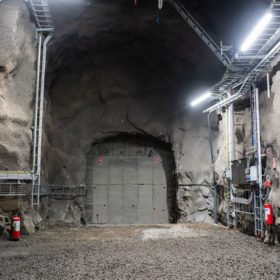
Swedish consortium completes rock cavern for green hydrogen storage
Vattenfall and its partners have finished building a 100-cubic-meter underground facility to store green hydrogen.

pv magazine Roundtables: Videos on solar everywhere, PV manufacturing trends, risk sharing in PPA markets, and green hydrogen
On day two of the pv magazine Roundtables Europe event, we focused on minimizing land competition for PV with dual use applications, how high efficiency n-type cells are progressing toward large-scale manufacturing at competitive cost, PV module design choices, how unsubsidized power purchase agreements can adapt and evolve, and the determining conditions for solar-plus-storage and solar-plus-hydrogen business models, among other key PV issues. The last five sessions are now available to view on demand.
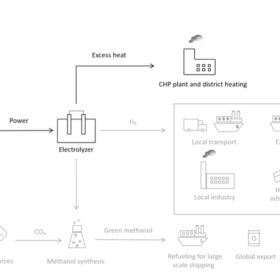
Waste heat from hydrogen production for district heating
The use of waste heat from hydrogen production in district heating could increase the attractiveness of green hydrogen, according to new research from Sweden.
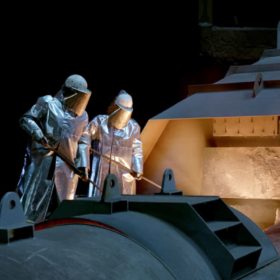
The Hydrogen Stream: Global electrolyzer market to reach 8.5 GW by 2026
GlobalData has predicted that the global electrolyzer market will hit 8.52 GW by 2026. BP and Thyssenkrupp have agreed to cooperate on the use of hydrogen in the steel sector, while electrolyzer supplier Nel Hydrogen has secured orders in Australia and Denmark.
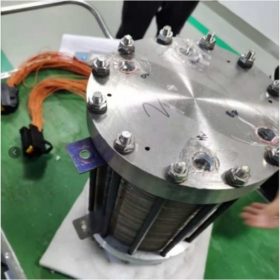
PEM electrolysis coupled with thermal energy storage
Chinese researchers claim to have improved the performance of a proton exchange membrane electrolyzer by connecting it to a thermal energy storage system.
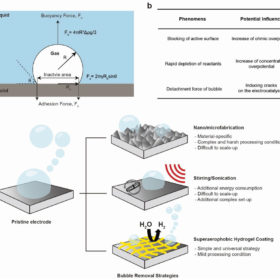
The Hydrogen Stream: New hydrogel for bubble detachment in hydrogen production
South Korean researchers have published a new study on the use of hydrogel to remove gas bubbles in hydrogen production, while Shell has revealed that it will continue with its hydrogen investments in the Netherlands, Vestas, meanwhile, said it will launch a pilot project to use hydrogen in a crew transfer vessel.
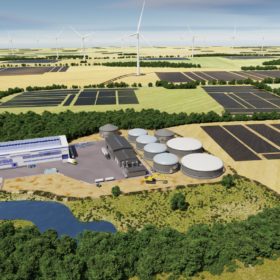
Hybrid wind-solar complex under development in Denmark
Eurowind Energy is building wind-solar capacity at five onshore energy centers and is also considering hydrogen electrolysis. It says each of the sites will include battery storage to offer grid services.
Acme to build 1.5 GW green hydrogen project in India
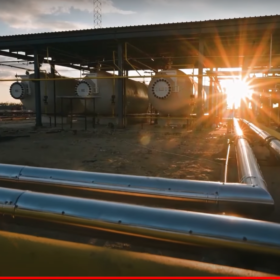
Indian developer Acme will set up a green hydrogen and ammonia project in Tamil Nadu with 1.5 GW of electrolysis capacity and 1.1 million tons of ammonia synthesis, powered by a 5 GW solar plant.
