
Rooftop PV has reached grid parity in main EU markets
Researchers have developed a high-resolution geospatial method of assessing the solar potential of all buildings in the EU and concluded rooftop PV could provide a quarter of the bloc’s electricity needs. The scientists say grid parity for rooftop solar has been reached outside eastern member states with cheap fossil fuel electricity.

Commercial solar at grid parity in China but a hard line is needed on soft costs
Deploying commercial and industrial PV in China without subsidy is already profitable in some areas, according to a new study, but prohibitive soft costs and cheap electricity are the main barriers for such installations in areas where grid parity remains out of reach.

The tide is changing for ground-mounted PV in Ireland
Ireland appears ready to embrace PV after years of failed announcements. Globaldata predicts the EU member state will deploy around 1.3 GW of solar by 2030, with renewables potentially meeting 65% of electricity demand. Furthermore, Irish Water has announced it wants to deploy solar at its water treatment plants.

China holds key to corporate solar take-up but lags way behind Texas at present
The Lone Star State accounted for almost half of the activity witnessed in the world’s biggest corporate clean energy marketplace but analysts are excited about the prospect of Beijing mandating companies to purchase minimum levels of green electricity.
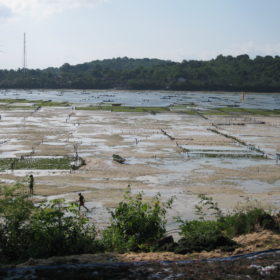
Aquavoltaics in the Philippines
An EU funded solar-plus-storage project has been tendered in the Philippines. The United Nations is seeking bids for the system, to support the seaweed industry on the island of Tawi-Tawi. Combining PV with aquaculture brings many advantages for both, including water conservation, a more controlled aquatic environment, and ecosystem restoration.

The bearable lightness of solar
The weight of a thin-film rooftop PV installation at Netherlands football club AZ Alkmaar has been highlighted in media reports as a possible cause of a stadium roof collapse. However, a full investigation is yet to be launched and one German specialist said studies have shown flush-mount PV panels do not increase static wind loads on rooftops.

Ethiopia aims to set up formula for the calculation of mini-grid tariffs
Ethiopia is currently trying to set up a methodology for the calculation of electricity tariffs for mini-grid systems. Should the government’s work come to fruition, it can provide much-needed certainty to mini-grid investors.

PV system prices fell 8.9% in Brazil in the first six months of the year
The cumulative capacity of 5 MW-or-smaller solar systems has reached 958 MW in Brazil, according to consultancy Greener. Around a third of that capacity was installed in the first half of this year, with projects relying on half-cell and PERC modules making up the largest share.

Agrivoltaics good for agriculture and panel efficiency
A U.S. research team has found the most efficient locations for agrivoltaics include western America, southern Africa and the Middle East. The researchers found crop land, grasslands and wetlands were the best environments for PV projects linked to agriculture. Conditions suitable for crops are ideal for improving solar module efficiency.
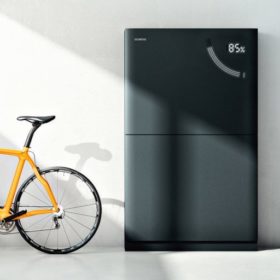
Residential storage in Europe to grow 500% by 2024
A new report from analysts at Wood Mackenzie forecasts 6.6 GWh of residential energy storage to be installed across Europe by 2024. The economics of the technology are at a tipping point, increasingly reaching grid parity in European markets. With rising electricity demand and falling battery system costs, the trend will further spread across the continent and fuel an uptick in demand.
