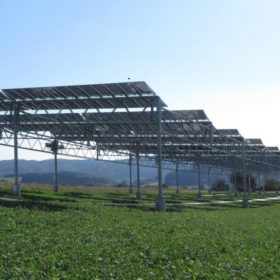
PV increases efficiency of cultivatable land use by more than 60%, Fraunhofer ISE says
Until now, cultivatable land was destined either for the generation of energy, or for food production. However, a pilot project, run by the Fraunhofer ISE, shows the two are compatible.
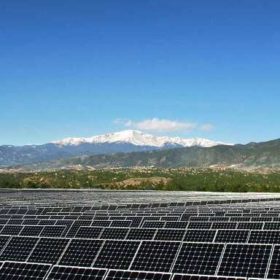
France deployed 484 MW of PV in first nine months of 2017
As of the end of September, the country’s cumulative installed PV capacity reached 7.68 GW.
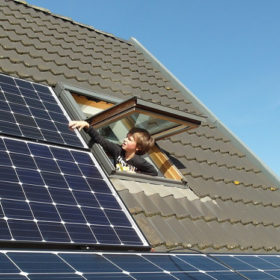
Rooftop PV key driver of 2017 installation forecast hike in China
With at least 22 GW of combined solar PV capacity, rooftop solar PV uptake and solar projects built before they have secured quota stand out as the key drivers behind increased 2017 installation forecasts in China.
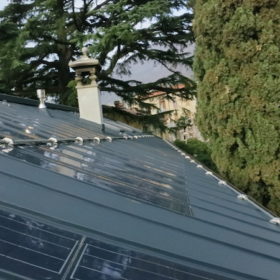
Italy: Clarity on fiscal breaks for sustainable PV investments
The Italian government-run energy agency, GSE has made it clear that the so-called “Tremonti ambientale” fiscal incentive can only be combined with the incentives of the first two Conto Energia programs.
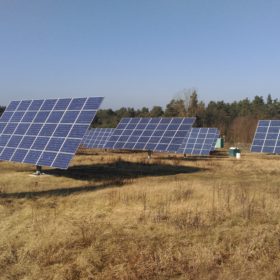
India solar installs hit 2.2GW in Q3
Record growth continues as India installed 2,247 MW of solar projects in Q3 2017, up 15% from Q2 2017. The total installation at the end of 2017 is expected to range from 9.5 GW to 10 GW. The 7 GW solar installation in first nine months covered more than one-third of total new power capacity addition in 2017.
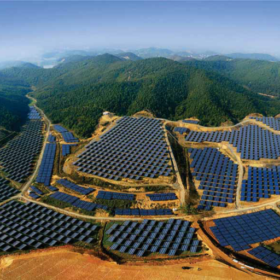
BNEF: China to install 54 GW in 2017
According to a newly released forecast by Bloomberg New Energy Finance, China is likely to install up to 54 GW of solar PV before the year is out, surpassing previous expectations.
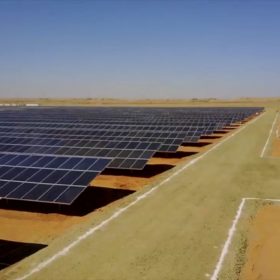
Egypt’s PV net metering set to bear fruit
Egypt’s feed-in tariff scheme expired in October, however recent regulatory updates on the net metering scheme are set to bear fruit for solar PV in Egypt. pv magazine explores the new policy and business landscape.
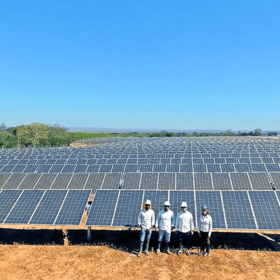
Lazard shows ongoing cost declines in solar (w/ charts)
The consultancy’s 2017 study finds that the global cost of utility-scale solar has reached an unsubsidized LCOE of under $50 per megawatt-hour, making new solar cost-competitive with running existing coal or nuclear plants.
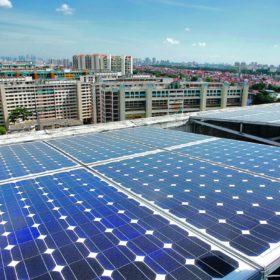
Climate Policy Initiative presents financial solutions for rooftop solar in India
CPI has summarized the present rooftop sector of India, its economics, and the financial facilities to the industry from government and banks. The analyst and advisory firm has presented the solutions for the current financial obstacles to the growth of rooftop solar. The team has presented two Indo-U.S. collaborative initiatives, USICEF and USICFP, with which these solutions can be implemented.

Australian government to back blockchain PV, water project
The Australian government has agreed to provide AU$2.57 million (US$1.9 million) to support a two-year pilot project that will use blockchain technology to pair utility-scale and commercial rooftop PV with a battery, electric vehicle charging stations and water treatment systems in Western Australia.
