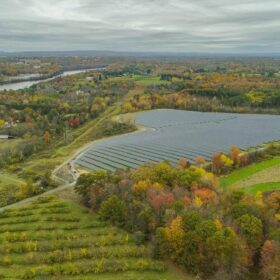
US community solar to exceed 6 GW in 2023
Following a suppressed 2022, US community solar is expected to have an upward trajectory, boosted by new state laws, the implementation of billions in grant money from the Inflation Reduction Act, and the smoothing of bumps in the supply chain.
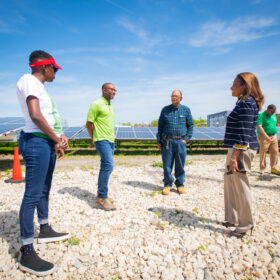
Breaking through ‘status quo bias’ with co-designed solar power plants
A group of Dutch researchers assessed the impact of including stakeholder input in the design process of solar power plants. It found that a co-designed approach may help counter the resistance of local inhabitants and result in more positive evaluations of the project.
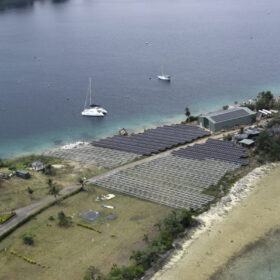
Financing implementation of solar energy solutions in the Pacific Island countries
The International Solar Alliance said that securing financing for renewable energy projects in Pacific Island Countries (PIC) may be complex due to the need for stand-alone solar energy systems and mini-grids, which to be viable for larger investments would require aggregation at a sectoral or programmatic level to become feasible. In its monthly column for pv magazine, the organization describes the types of finance required to scale technologies.
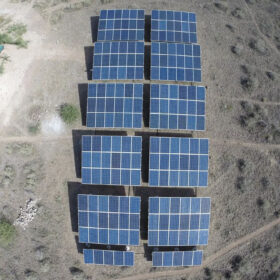
Building to last in the Global South
PV initiatives should be designed to last, as several well-meaning off-grid solar projects for the developing world have floundered over the years.
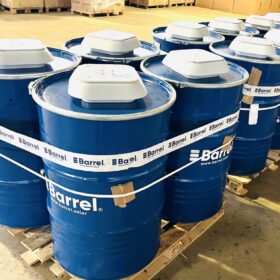
Italian startup offers solar kits packed in barrels
Italy’s Barrel claims that solar kits packed in barrels are ideal for remote areas and conflict zones. Its standard packages consist of 6 kW solar modules, 5.6 kW single-phase hybrid inverters, and 3.55 kWh lithium batteries.
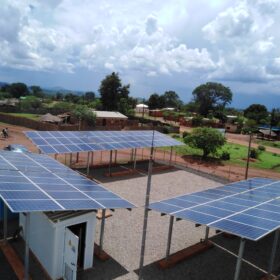
Engie unit to build 60 minigrids in Zambia
MySol Grid Zambia, a subsidiary of Engie Energy Access (EEA), has secured $7.5 million of debt from the Facility for Energy Inclusion (FEI) to build 60 minigrids. The projects will provide electricity to more than 40,000 people in rural areas.
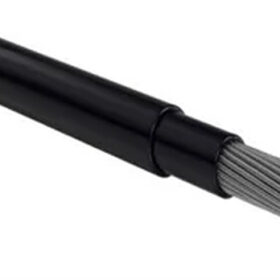
Japanese provider launches new aluminum cables for PV systems
Japan-based GBP said its new cables are complying with several international standards. It claims the cables have an antitheft function, as they should discourage copper thieves from approaching a PV system.
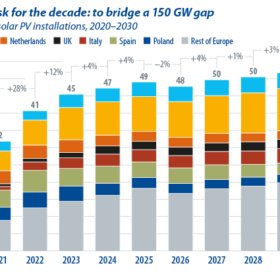
The year it all changed
The European solar landscape changed forever in 2022 and managing the supply chain, grid, and permitting constraints will be key to a solar-dominated energy future for the continent.
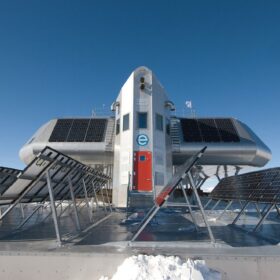
Weekend Read: The world’s coolest solar
The world’s most efficient energy network, at an Antarctic research base, has had a solar upgrade.

Asia leads charge in renewable energy growth
IRENA’s report Renewable Capacity Statistics 2023 shows that in 2022, Asia accounted for nearly 60 percent of the worldwide increase in renewable energy generating capacity, resulting in a total of 1.63 Terawatt (TW) of renewable capacity by year end. A huge part of this increase occurred in China.
