
New Zealand identifies 11 GW solar potential
The nation already meets well above 80% of its electricity demand from renewable energy. With e-mobility and electric industrial processes on the rise, higher demand has created new development opportunities.
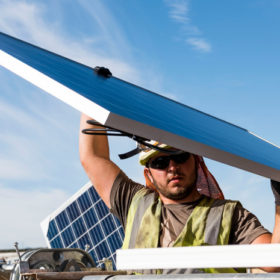
Financial backing for study of grid effects in Australia’s booming distributed generation market
The Australian Renewable Energy Agency has awarded AU$9.6 million in grants for five projects and seven studies into the role of distributed generation assets on the grid – and how to expand their penetration.

Ikea begins online sale of PV panels in Italy
A few weeks after launching the sale of its “Solstrale” modules in Germany, the Swedish furniture giant also began offering online its PV panels and systems throughout Italy.
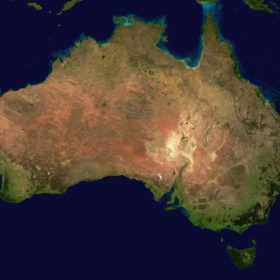
Australia on track for 50% renewables by 2024, at “zero net cost”
Clean energy is driving the country to its Paris commitments well ahead of schedule. The Australian National University published findings today that conclude Australia is on track to hit 50% renewable electricity in 2024 and 100% in 2032 – at a net cost “of approximately zero”. Despite the good news, the Clean Energy Council warned federal policy may see the opportunity squandered.

Russian Duma approves net metering for solar up to 15 kW
Under the new rules, expected to come into force by the end of the year, Russian residential PV system owners will be able to sell excess power to the grid. The provisions were discussed for almost two years before yesterday’s vote.
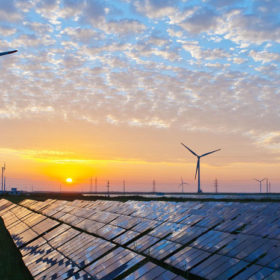
Australia: Large scale solar generation trebled in 2018 as renewables passed 20% share of national electricity output
The contribution of PV to Australia’s electricity generation mix hit record highs last year, according to new figures published today by Green Energy Markets. The electricity generated by new rooftop solar was 86% higher than in the previous three years and utility-scale PV output trebled to pass the 1 TWh milestone.

Solar refuses to lie down and die in the UK, says industry body
Although the prospects for large-scale British solar appear grim, the U.K. trade association for the industry says the compelling economic case offered by PV is ensuring activity continues despite a prolonged policy vacuum.

Dutch researchers propose new approach to measure solar potential of urban areas
The system is said to have a maximum estimation error of less than 10% and to reduce the computational requirements for calculating the output of PV systems in complex environments. The approach is based on the correlation between a skyline profile and the annual irradiation received at a particular spot.
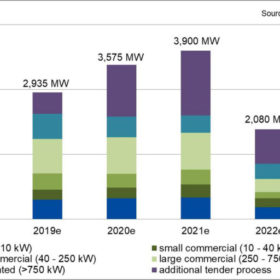
Germany to install more than 10 GW of PV before 2022 contraction
Extraordinary PV tenders by the federal government will provide for more growth. Market research company EuPD Research expects newly installed capacity of 4 GW in 2021. After that, however, the market could see a sharp reduction, after the 52 GW cap for solar subsidies is reached.
Spain hits 5 GW milestone
Approximately 261.7 MW of new PV systems were deployed in the country last year, according to provisional numbers from solar energy association UNEF. Once again, rooftop PV for self-consumption drove demand, although 26 MW of ground-mounted solar parks were connected in 2018.
