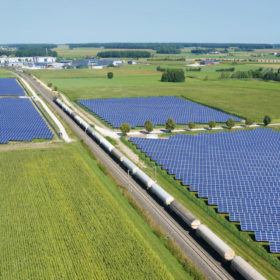
Power generation from PV grew by 13% in Germany this year
From January to September 2018, solar PV systems generated 36.8 TWh in Germany, which is 13% more than they did in the first nine months of the previous year.
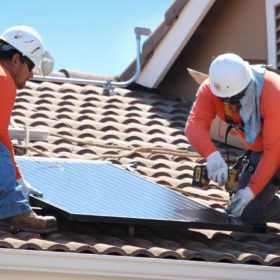
US: EnergySage finds $236.5 million tax on solar due to Section 201, USITC
Two major policy decisions in the United States have caused a temporary tax and stagnation in the residential solar industry, finds EnergySage’s Solar Marketplace Intel Report.
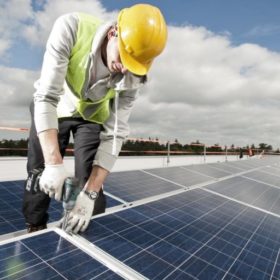
Germany deployed nearly 2 GW of PV so far this year
In the first eight months of 2018, newly installed PV capacity in Germany totaled almost 2 GW, and is already well above the previous year’s level. New residential and commercial PV systems, with a combined capacity of nearly 241 MW, have been reported to the Federal Network Agency. In October, solar incentives will drop by another 1%.
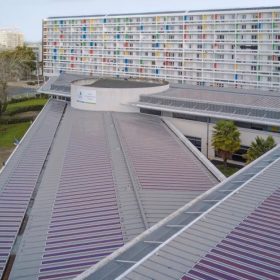
France assigns 230 MW in rooftop solar tender
Final prices were 5% lower than in the previous tender of the same kind. Around 40% of the selected projects were submitted by agricultural enterprises.
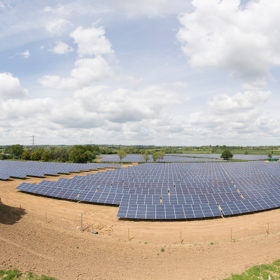
Renewables account for 31% of UK electricity, installations remain flat
The U.K. government has cold-shouldered PV with a row of disfavourable policies, which have put at risk the financial viability of new arrays. In the past few last years, the market has remained almost flat, with installations sitting at around 200 MW per year.
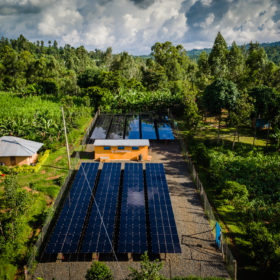
World Bank to devote $1 billion to storage in developing countries
The Accelerating Battery Storage for Development program is intended to leverage US$4 billion in new investments, and to support projects for utility-scale solar parks with battery storage, off-grid systems, including mini-grids, and stand-alone batteries.
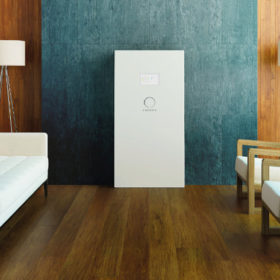
German equipment suppliers take lead in European storage market, report says
German suppliers may still play a central role in providing residential storage systems, however the increasing number of Asian manufacturers on the European market is undeniable. Particularly in the U.K. and Italy, they have captured the lion’s share of sales.
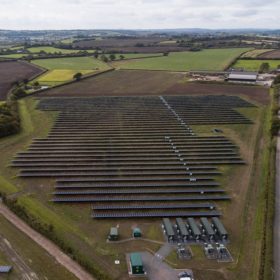
UK opposition party pledges emission-free energy system
Labour this morning unveiled plans for an energy system free of greenhouse gas emissions by 2050, but it is unclear what proportion of the party’s “clean energy” mix would be met by nuclear.
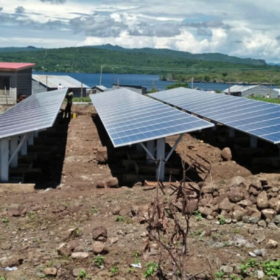
GE and Renewvia installing new off-grid systems in Africa
The two companies have installed systems in Kenya and the Democratic Republic of Congo to provide a cheap, secure energy supply. BloombergNEF has predicted the market for off-grid solar will grow considerably as it can meet the needs for universal energy supply at a cost competitive price.
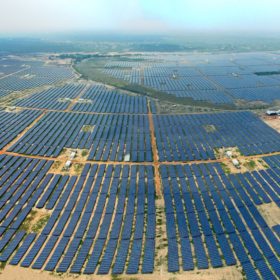
Indian state of Tamil Nadu targets 400% jump in solar capacity by 2022
The state government is proposing a range of incentives and mandates to drive PV and solar thermal installations to almost 9 GW within four years. Under the proposed policy, 10% of the public fleet would be replaced by electric vehicles.
