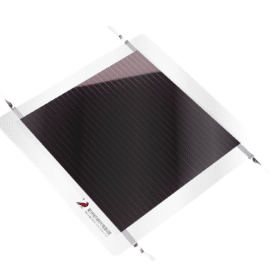
New research sheds light on results achieved by major perovskite solar manufacturers
A team of researchers from China and the United States has summarized the commercialization status of several manufacturers, including Saule Technologies, Solaronix, Panasonic, Toshiba, Utmolight, Wonder Solar, Kunshan GCL, and Microquanta.
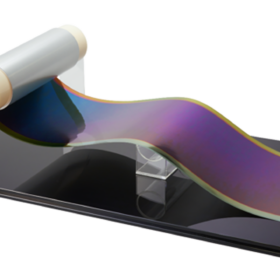
Sekisui Chemical to open solar module factory in Slovakia
Denisa Sakova, Slovakia’s Deputy Prime Minister and Minster of Economy, has signed an agreement with Japanese plastics manufacturer Sekisui Chemical, which is developing flexible photovoltaic panels. Sakova says the aim is to explore the possibility of producing the panels in Slovakia.

Laser-assisted hermetic encapsulation tech for perovskite PV modules
Pixel Voltaic, a spinoff of University of Porto, has launched a laser system to hermetically seal glass-glass and glass-steel perovskite PV modules up to 30 cm x 30 cm. The company’s technology roadmap is to increase capacity to accommodate larger device areas of up to 1 m2, and to modify the process to operate within a roll-to-roll line.

Engadiner Kraftwerke energizes second PV plant on Swiss retaining wall project
Swiss hydropower company Engadiner Kraftwerke said the new PV system went into service in the Swiss Canton of Graubunden to generate 230,000 kWh per annum. The array utilizes solar modules provided by Lithuanian manufacturer Solitek.

New approach to integrate PV-powered heat pumps into greenhouses
Scientists have proposed to use PV energy and heat pump-driven HVAC system in greenhouses conceived to grow tomatoes in the Mediterranean area. The system was found to have a payback time of only 2.9 years in southern Spain.
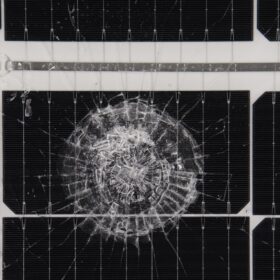
Monocrystalline solar modules more resistant to hail than polycrystalline panels
Scientists from Pakistan, Qatar and Saudi Arabia have conceived a new experimental setup to conduct hail impact tests for photovoltaic modules. The first tests showed that monocrystalline panels lose less efficiency than their polycrystalline counterparts with the same number of busbars.
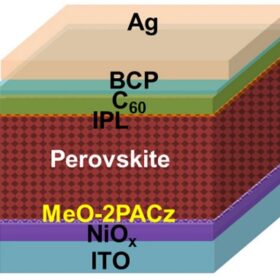
Methylammonium-free inverted perovskite solar cell achieves 23.17% efficiency
Scientists in Japan have fabricated an inverted pervoskite cell with a new bond/charge regulated defect passivation technique consisting of introducing bifunctional molecules onto the perovskite absorber. The device exhibited a low open circuit voltage deficit and remarkable stability.

Optimizing photovoltaic grid integration through active power management
PV systems, surpassing minimum load demands in various regions, necessitate innovative grid integration measures. Active power management (APM), notably curtailment, emerges as a powerful solution here. By actively managing power peaks, PV systems can unlock new possibilities, contribute to grid stability, and enhance their overall value. The new IEA-PVPS Task 14 report encourages a shift in perspective, urging DSOs to explore the potential of APM instead of traditional grid expansion methods.
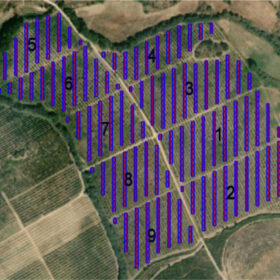
Research finds agrivoltaics have payback time of less than five years in Portugal
A group of researchers from the University of Lisboa and the Military Academy reported on the viability of agrivoltaics in Portugal. It found that spaced rows of PV modules combined with shadow-friendly crops had the most promising return and a payback period of less than five years.
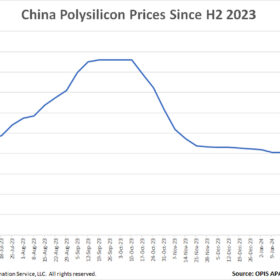
China polysilicon prices gain for the first time in 2024
In a new weekly update for pv magazine, OPIS, a Dow Jones company, provides a quick look at the main price trends in the global PV industry.
