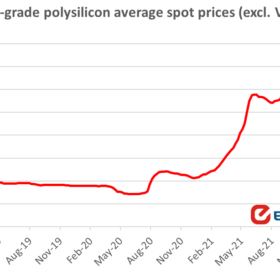
Polysilicon price fluctuations expected to continue until late 2023
Two industry experts have provided analyses of the current polysilicon price scenario in a chat with pv magazine and both agreed that polysilicon demand is still growing faster than supply. The price may decrease starting from the second quarter and reach more reasonable levels by the end of the year.

LG to close US solar module manufacturing facility
The closing of the Alabama-based facility comes in tandem with the announcement that LG will be folding its solar module business by the end of June.
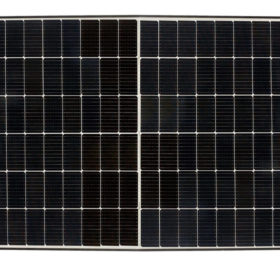
Tindo Solar launches 545W solar panel for utility-scale applications
Australia’s only solar panel manufacturer, has launched its first module designed specifically for utility-scale projects, the 545W Karra module. Australia-made, the module boasts a 23.1% cell efficiency with a low cell-to-module loss rate of 0.07%.
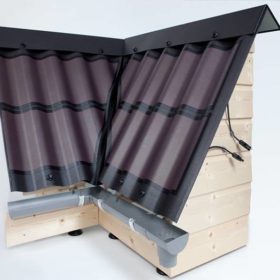
Solar foil for BIPV applications
HyET Solar and the Delft University of Technology are developing a photovoltaic foil technology that is claimed to be suitable for any type of surface. The solar foil has a 12.0% conversion efficiency and is based on hydrogenated amorphous silicon and nanocrystalline silicon in a tandem cell configuration.
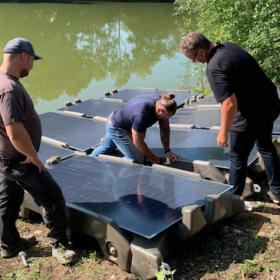
New floating PV mounting structure from Austria
The floater consists of a structure made of HDPE plastic which is claimed to withstand waves of up to 3m and currents of up to 2m/s. According to the manufacturer — Austrian tech company SolOcean — the floating structure can be used for either onshore or offshore projects.
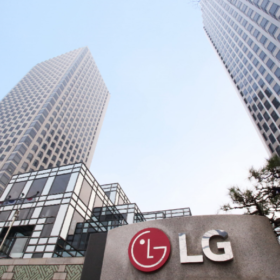
LG exits solar module business
The Korean manufacturer said its solar module business will be closed by the end of June. It blamed uncertainties in the global solar industry for its decision.
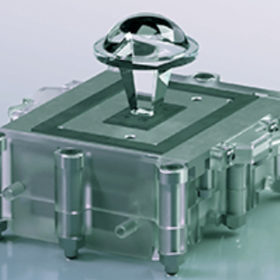
The Hydrogen Stream: CPV-powered PEM electrolyzers for 1.2MW demo in Portugal
Fusion Fuel Green has developed a small PEM electrolyzer that will be used in a green hydrogen project in Iberia. Elsewhere, India’s Adani Group and Canada-based PEM fuel cell producer Ballard Power Systems have signed a memorandum of understanding to evaluate a joint investment in the commercialization of hydrogen fuel cells for mobility and industrial applications in India.
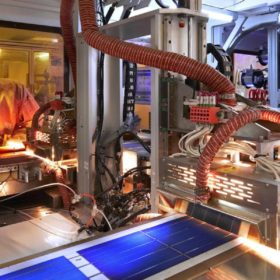
Chinese PV Industry Brief: Soaring profits for Trina and Shuangliang
Panel maker Trina Solar and wafer manufacturing compatriot Shuangliang Eco-Energy have announced bumper profits from last year as polysilicon producer GCL ponders a rebrand.
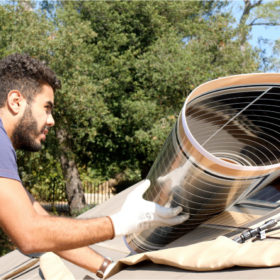
Rollable CIGS solar modules from France
French start-up Solar Cloth is planning to scale up capacity at its module production facility near Cannes. The factory will produce 17.6%-efficient flexible solar modules integrated into textile supports.
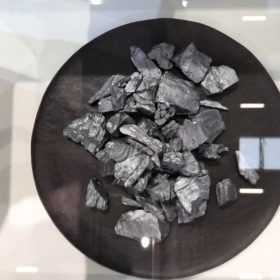
Polysilicon price reaches $39.3/kg — the highest since 2011
The price of polysilicon last week reached its highest level since 2011 and, according to Chinese module manufacturer JinkoSolar, there are no visible signs that it could drop this year, as predicted by several analysts.
