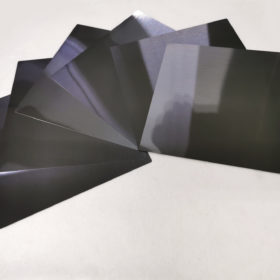
The weekend read: Gallium in the fight against LID
From the acquisition of IP to commercialization, the PV industry has witnessed a rapid rise of gallium-doped silicon. Researchers are testing the resulting cells’ stability while industry has begun the manufacturing phase. All this leads to a key question: Will gallium doped silicon solar modules will be the next big thing?
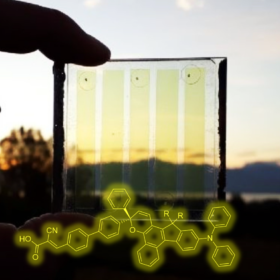
Semi-transparent mini BIPV panels for solar windows
European scientists have developed mini modules with an active area of 14 cm² and a 3.68% efficiency rating. The panels also have a self-adjusting feature that can help to mitigate the amount of light when they are exposed to full sunlight, or to the temperatures of buildings with large windows and/or glass facades.

Chinese PV Industry Brief: 600 MW of unsubsidized PV in Shanxi, incentive cuts in Shanghai
Longi will build 600 MW of unsubsidized PV in Datong, Shanxi province. The Shanghai Development and Reform Commission, meanwhile, has unveiled new 2020-21 FITs. Yingli is undergoing restructuring, while Trina had a solid listing debut in Shanghai.
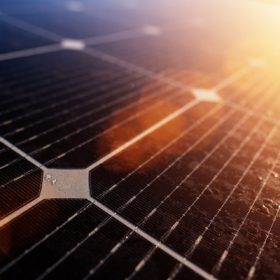
Lowering costs for PV cooling assessments
Researchers in Malaysia have developed a new, cheaper method to assess PV cooling techniques. Designers and manufacturers of PV cooling systems could follow the parameters of the new approach to evaluate the performance and bankability of their own devices, the scientists claimed.

Carbon accounting for beginners
A new report from Rocky Mountain Institute in the U.S. explores the need for companies to disclose information about greenhouse gas emissions throughout their supply chains, and the most effective ways to do this whilst ensuring consistency and comparability of collected data across multiple industries.
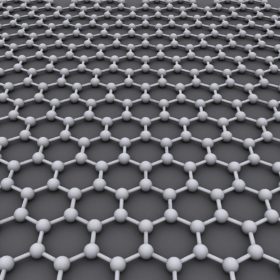
Improving organic PV with graphene
Researchers at the Massachusetts Institute of Technology have developed a new approach to improve the electrical properties of monolayer graphene grown by CVD that could be used in the production of more efficient and stable ultra-light organic cells. They used parylene to develop transparent graphene electrodes through a roll‐to‐roll transfer technique.
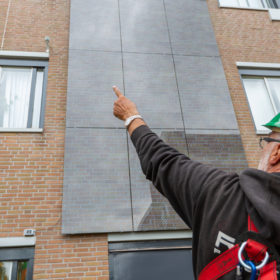
Facade solar panels with ‘mimic design’
Dutch startup Solar Visuals and the Netherlands Organisation for Applied Scientific Research (TNO) have developed new “mimic design” facade modules that reproduce the features of building surfaces. Lenneke Slooff-Hoek, a senior scientist for TNO, told pv magazine that the panels can be made in any size or color at 13% efficiency, adding that they have a partly transparent colored layer made of small dots.

Covid-19 weekly round-up: Predatory takeover fears, Ieefa takes aim at the IEA and diverse perspectives on e-mobility
Analysts appear divided on the effects the public health crisis will have on the EV market even as sales of petrol-engined SUVs soar in China. And Portugal is plowing on with its Covid-delayed national solar tender, an exercise which may help establish whether clean energy thinktank Ieefa is right to predict PV prices will continue to fall.

New metallization paste range from Heraeus
The SOL 7 series comprises five products for Perc, Topcon and heterojunction devices.

Court appoints administrators to oversee Yingli restructure
The Chinese solar panel making division of the debt-saddled company appears likely to be broken up after admitting creditors will take controlling stakes in its business units following the successful petition of a court in Hebei province.
