
US: 25% tariffs on Chinese inverters to start on January 1
The final order from the U.S. Trade Representative includes an interim tariff rate of 10% set to start on September 24.
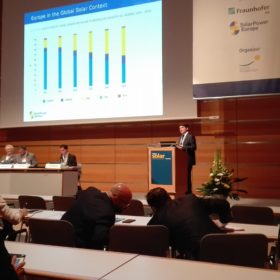
‘We are at the dawn of a solar renaissance in Europe’
Head of SolarPower Europe welcomes news of imminent Solarworld sale whilst predicting removal of EU trade barriers on Chinese-made panels will bring dormant market back to life.
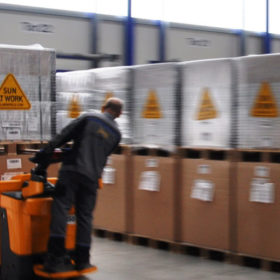
SolarWorld halts production in Germany as raw materials run out
According to the company’s insolvency administrator it is unlikely negotiations with potential investors will generate concrete results this month. Module production has been suspended at Freiberg with employees relocated to a transfer company.
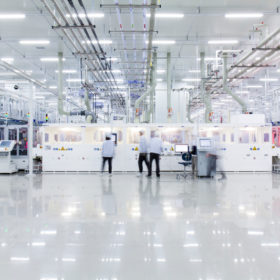
Hanwha Q Cells to be merged with Hanwha Advanced Materials
The transaction, expected to be finalized next month, will be made through the purchase by the Advanced Materials business of the holdings of Q Cells’ three main stakeholders. The company told pv magazine the operation is intended to enhance the group’s solar growth strategy.
China’s PV policy change led to Daqo’s wafer exit
The 31/5 PV policy change in China led to Daqo New Energy Corp.’s exit from the wafer manufacturing business. Around 450 employees are set to be made redundant.
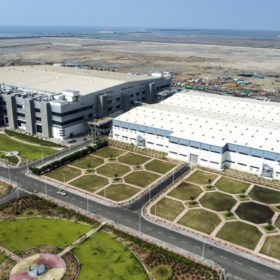
India: Industry reacts to 25% duty; developers to cough up extra $72 million
From cheer to gloom, the Indian solar industry has had mixed reactions to the Supreme Court’s interim order lifting the stay on the imposition of a 25% safeguard duty on imported solar cells and modules.
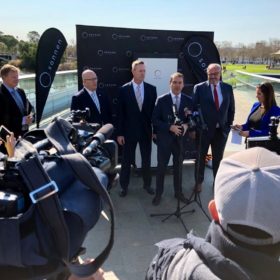
South Australia unveils details of $100 million battery scheme, sonnen sets up production plant
The South Australian government will launch its Home Battery Scheme in October, which will offer South Australians subsidies of up to AU$6,000. In the wake of the government’s announcement, the German storage provider has revealed plans to manufacture up to 50,000 battery storage units at the former Holden site in Elizabeth, creating hundreds of jobs.
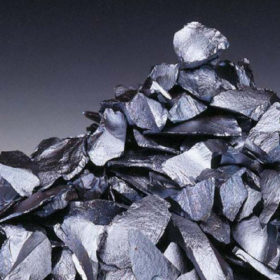
Daqo stops wafer production
Daqo New Energy Corp. has announced plans to stop its wafer manufacturing operations this month. It instead intends to focus solely on polysilicon production. Challenging market conditions were cited as the reason.
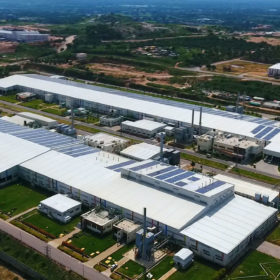
Amara Raja to open 100 MWh Li-ion battery fab in India
Following hot on the heels of Exide Industries, traditional battery maker, Indian-based Amara Raja Batteries Limited has said it will set up a 100 MWh lithium ion assembly plant in Andhra Pradesh. The company aims to establish a foothold in the energy storage market for electric vehicles.
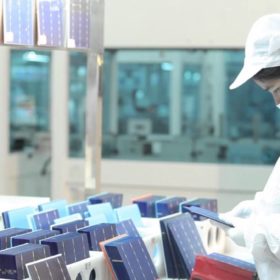
PERC market to reach 158 GW by 2022
Taiwan-based analyst firm, WisolPro says the global capacity for PERC cells is rapidly increasing, with the technology likely to replace polycrystalline cells. HJT, thin film, and n-type PERT technologies are also on the rise.
