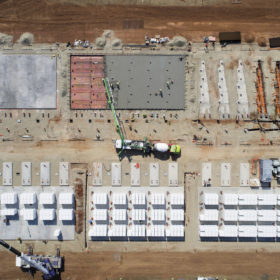
Eight trends for the PV industry in 2019
IHS Markit’s analysts have mapped out what they are keeping an eye out for in the year ahead. Aside from higher installation figures, the number-crunchers predict a continued battle for multi-function in the hard-fought inverter segment and a potential watershed year for utility-scale storage.
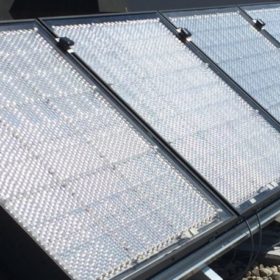
Swiss researchers claim 29% efficiency for residential CPV panel
The module was developed by Insolight, a spin-off of Switzerland’s École polytechnique fédérale de Lausanne. The panel is based on tiny solar cells usually used for spaceflight applications and the limited amount used in the module makes it close to mass production, its creators claim.

SERIS aims for 24% efficiency for mono PERC cell
The Singapore research institute will cooperate with China’s Ruxing Technology to increase the efficiency of its monoPoly™ technology. Through this cooperation, SERIS believes its solar cell efficiency could be raised to 24%, and module power beyond 345 W.
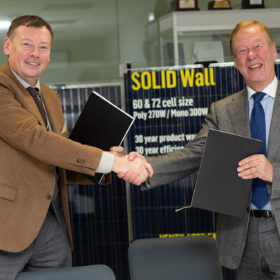
Valoe and Solitek join forces to produce IBC cells in Lithuania
The Finnish PV equipment provider and the Lithuanian PV panel maker will manufacture IBC solar cells at Solitek’s factory in Vilnius with an initial production capacity of 60 MW.
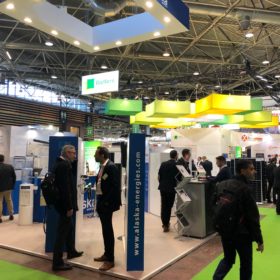
Lyon’s BePositive event shows confidence in French PV market remains strong
The solar event in Lyon illustrated how expectations of French solar remain big despite lower-than-expected development and issues related to regulations and carbon footprint requirements. The large participation of international and Chinese players seeking business among installers and distributors is a signal things may improve in the short term, and larger volumes may be deployed in the coming years.
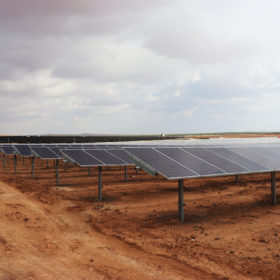
First Middle Eastern utility-scale solar-plus-storage plant comes online
The 23 MW/12.6 MWh facility is near Mafraq, in northern Jordan. The storage system will offer peak shaving to increase grid stability while enhancing solar output.
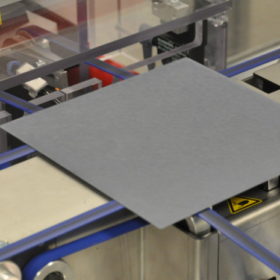
Rise in Chinese mono PERC cell output helps stabilize multi cell price as Indian orders slow
The big manufacturers turned their Chinese new year production efforts to higher efficiency products but order volumes for standard cells fell during India’s peak PV season, according to PV Info Link.

GCL Poly extends loan term to subsidiary – has the wafer maker had help with its debt pile?
The polysilicon giant has extended the repayment date for a loan to an EPC subsidiary by 10 months and, with its share price rising sharply, should investors prepare themselves for some as yet unannounced good news?
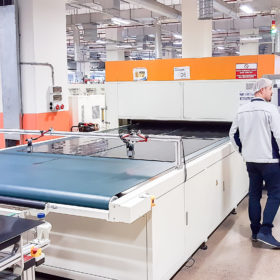
PI Berlin findings say little about module quality in Europe
PI Berlin analysis has suggested the quality of modules is particularly high in Asian factories with a large throughput. However, just 2% of the 67 GW of production capacity audited for the study originated in Europe. The audits for the white paper were mostly carried out by Solarbuyer between 2012 and 2018.
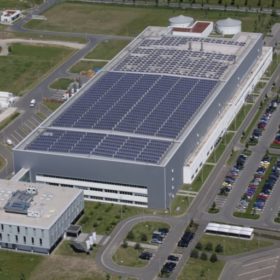
Chint’s 103 MW Dutch solar park will use Astronergy panels
Chinese module maker announces start of construction on big project in the Netherlands weeks after announcing production of solar panels at its German Astronergy unit would be halted.
