
Phase-change material tech to store thermal energy, solar electricity in buildings
NREL scientists have unveiled a storage system based on a phase-change material that can store both thermal energy and electricity in a single device. According to the researchers, the new technology may be used to store excess electricity produced by on-site solar or wind operations in large scale buildings.

Belgian network to host 25 MW/100 MWh battery for grid services
The energy storage system, which is set to be up and running in around a year’s time, will be supplied by Finnish company Wärtsilä and will provide services including reserve power and frequency control response.

Will China’s ‘double carbon’ and ‘dual control’ policies drive demand for solar?
Factories suffering from rationed grid electricity could help drive a boom in on-site solar systems, and recent moves to mandate the retrofitting of PV on existing buildings could also lift the market, as analyst Frank Haugwitz explains.

Silicon metal and aluminum industries hit by China power shortages
A combination of booming demand for coal-fired power and a shortage of the black stuff – exacerbated by a political row with Australia – have forced up prices to the extent fossil fuel generators are making a loss on every unit of electricity they produce. pv magazine‘s Vincent Shaw considers the potential solutions.
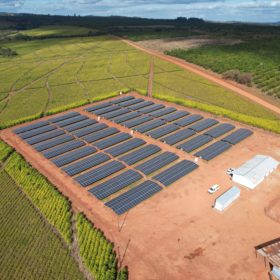
Solar hybrid system is just the cup of tea for Tanganda
Johannesburg-based clean power business Blockpower is working on installing a back-up power supply across three agricultural estates in Zimbabwe.

Tesla Powerwalls in California join the movement to create virtual power plants
Made up of distributed residential energy storage, these “plants” stabilize the grid and often end the need for new fossil generation. Tesla customers in California are the latest to join the movement.
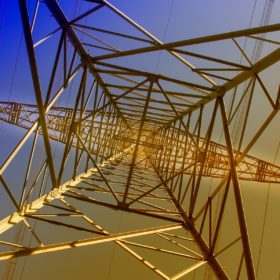
Grid connection is key culprit as investor confidence wanes in Australia
Ongoing grid connection issues and concerns about Australia’s unpredictable regulatory and policy environment have been identified as the key culprits with a new report revealing investor confidence in the nation’s renewable energy sector has slumped to a five-year low.
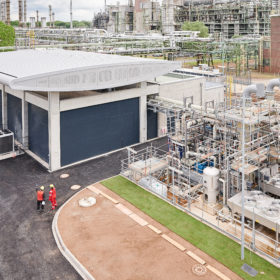
The Hydrogen Stream: Ineos to invest £25m in HydrogenOne fund as Shell fires up its 10 MW electrolyzer
Plus, the Norwegian government is set to devote €2.5 million into a joint venture trying to develop liquid organic hydrogen carrier solutions for shipping by the middle of the decade.
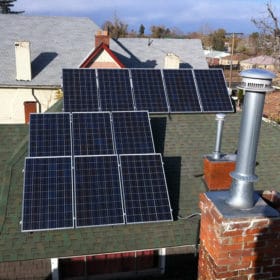
‘Residential batteries are less profitable than selling excess power to the grid’
Although self-consumption of solar power is the optimal economic approach, the expense of household batteries at present outweighs the increased ability they offer to use electricity generated on the roof. Whether aggregated ‘virtual batteries’ offer better returns is an open question, due to lack of electricity company transparency.
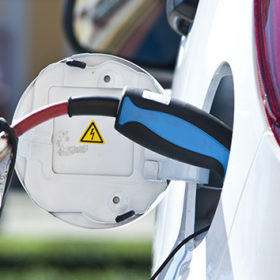
Netherlands licenses first EV smart charging company to provide grid services
The NewMotion electric vehicle (EV) charging business owned by Anglo-Dutch energy giant Shell has become the first such entity to obtain a licence to provide grid balancing services in the Netherlands. Dutch grid company Tennet has licensed NewMotion to provide megawatt-scale balancing services to maintain grid frequency at 50 Hz by varying the rate at […]
