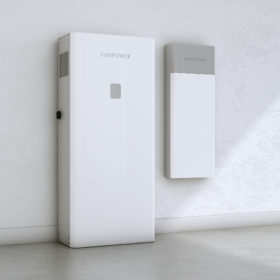
Sunpower launches two new batteries for residential applications
The two batteries have a storage capacity of 13 and 19.5 kWh, respectively. Both lithium-ion systems use LiFePO4 as the cathode material and have a round-trip efficiency of over 86%.
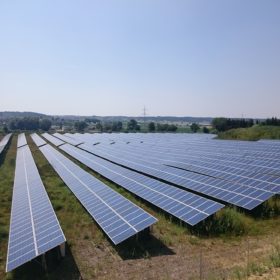
In Asean nations it’s all about the solar
Indonesia will have to get to work installing more than 24 GW of solar this year – and every year – if the region is to achieve the 2.1 TW to 2.4 TW of photovoltaics Irena has estimated it will require to achieve a net zero carbon energy system by 2050.
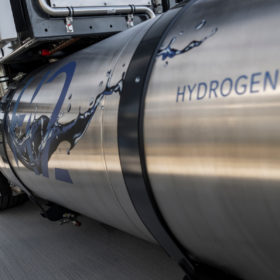
Hydrogen to play limited role in building energy supply
How much hydrogen is actually needed? Several German research institutes have examined 40 energy scenarios for hydrogen ramp-up and found that 15 million GWh of hydrogen will be needed worldwide by 2050.
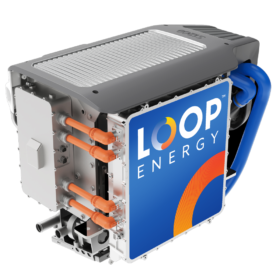
The Hydrogen Stream: Canadian startup unveils 120 kW fuel cell system
In other news, Alstom tested its hydrogen train for long-distance transportation and the IEA released a report suggesting that hydrogen development may require an annual investment of around $60-130 billion through 2030.
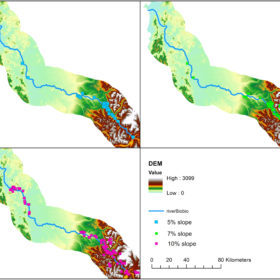
Pumped hydro storage for rivers, coastal lines
Scientists in Germany have developed a new methodology to identify suitable areas for pumped hydro storage projects close to rivers or shorelines. Their new method considers parameters such as the minimum required flat area for the reservoir, the allowable slope of the terrain, the minimum head, and minimum required head to distance ratio between two reservoirs.
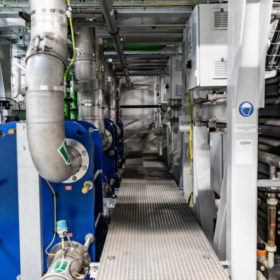
The Hydrogen Stream: Siemens commissions 8.7 MW electrolyzer in Germany
As Siemens commissions Germany’s second largest electrolyzer at the Energy Park in Wunsiedel, Engie has taken the Final Investment Decision for a project in Western Australia, scheduled for completion in 2024. Meanwhile, two reports shed light on the future of green hydrogen: on the demand side, the MENA region could use it to become the global leader of green steel; on the supply side, BNEF welcomes the support commitments coming from Europe and the United States.
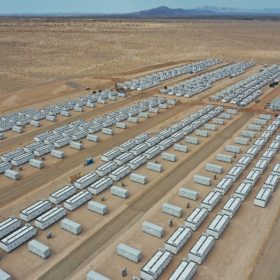
New grid-scale LFP battery from Canadian Solar
The company said it plans to quadruple its battery manufacturing capacity by the end of 2023. The 2.8 MWh lithium-ferro phosphate battery will be unveiled at the RE+ conference in California.
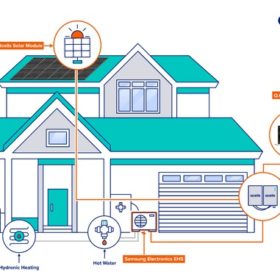
Hanwha Q Cells launches residential solar-storage-heat pump solution in Europe
Hanwha Q Cells has combined its solar panels and batteries with Samsung’s heat pumps. The offering includes an app that reportedly optimizes power consumption while maximizing solar power utilization.
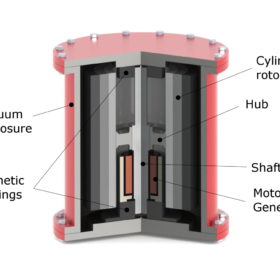
Flywheel energy storage tech at a glance
Indian researchers have assessed the full range of flywheel storage technologies and have presented a survey of different applications for uninterrupted power supply (UPS), transport, solar, wind, storage, flexible AC transmission-system (FACTS) devices, and other applications.
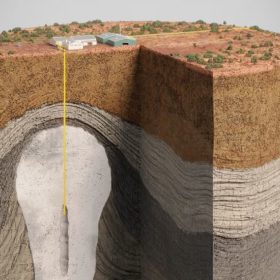
Underground caverns to help unlock Australia’s hydrogen industry
Australia’s ambitions to become a major player in global green hydrogen production have received a boost with a new report from Geoscience Australia confirming the potential for large-scale, underground storage of hydrogen in salt caverns across the country.
