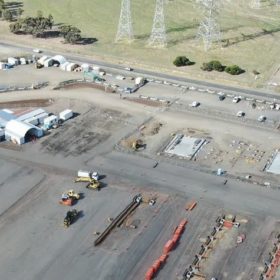
Neoen plans 1 GW /4 GWh battery in Australia
French renewables developer Neoen has filed an application to build a 1000 MW /4000 MWh big battery in Western Australia.
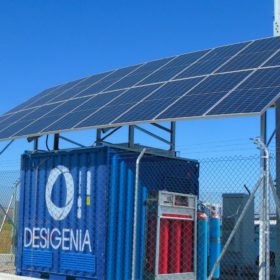
PV-powered hydrogen generation tech for off-grid areas
Spain’s Desigenia has developed a hybrid system that makes it possible to replace diesel generators with solar energy, battery storage, and hydrogen fuel cells.

Pumped hydro storage takes shape in the Philippines
Prime Infra recently acquired a 500 MW pumped storage hydropower project in Rizal province in the Philippines. The company is also developing a 1.4 GW facility in the country.
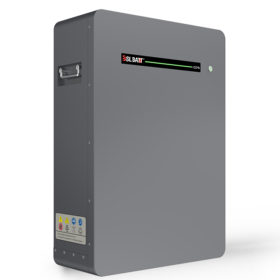
Bslbatt unveils 10.24 kWh battery for residential PV
China’s Bslbatt said its new battery has a rated capacity of 200 Ah. The product comes with a 10-year warranty and can reportedly provide steady operation for up to 6,000 charge cycles.

Solar, geothermal heat pumps for heating, cooling demand in office buildings
Photovoltaic-thermal panels and geothermal heat pumps could mostly cover the heating and cooling demand of office buildings, according to new research from Greece.

The case for residential solar sharing
Technische Universität München researchers have run a series of tests to investigate the growing share of rooftop PV in Germany. They found that the sale and purchase of electricity between households could reduce consumption peaks and prevent grid bottlenecks.
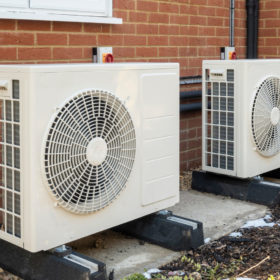
IEA says global heat pump installations to hit 600 million by 2030
The International Energy Agency (IEA) says that the deployment of 600 million heat pumps by 2030 could cover 20% of the annual heating requirements of buildings throughout the world.
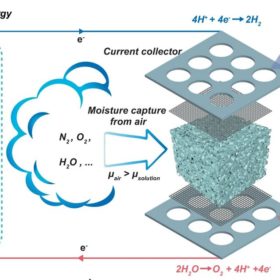
PV-powered direct air electrolysis module to produce hydrogen from moisture in air
Scientists in Australia have developed a new way to produce hydrogen using water from the atmosphere. They claim their new module can ensure stable performance and provide green hydrogen for remote areas.
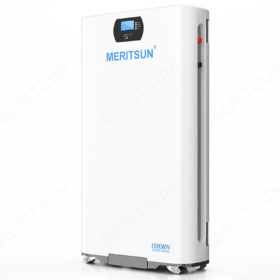
Meritsun unveils 15 kWh lithium-ion battery for residential applications
Chinese battery provider Meritsun says its new 48 V battery has a storage capacity of 15 kWh and a rated capacity of 300 Ah.
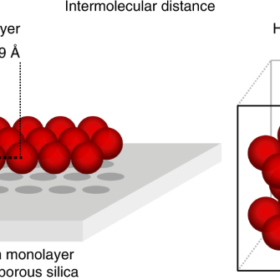
The Hydrogen Stream: Condensed hydrogen on smooth surfaces can sharply exceed liquid hydrogen density
A German-US research team has shown that hydrogen condenses on smooth surfaces at a very low temperature, forming a super-dense monolayer that reduces the volume to just 5 liters per kilogram of H2. Dutch researchers, meanwhile, have published a new study on hydrogen storage in porous rocks, and Itochu said it is moving forward with hydrogen plans in Japan and South Africa.
