The Hydrogen Stream: New fuel cell tech for uncrewed ships, and a solar-powered hydrogen valley in southern Italy
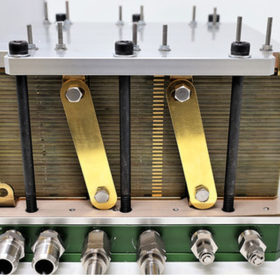
A printed circuit board-based hydrogen fuel cell for use in autonomous boats and ships has been engineered by a British consortium, and Italian energy companies Snam and Edison want to set up a 220 MW green hydrogen production plant powered by 380 MW of solar in Apulia.
Commission flags up €875m renewables project fund
A call for grant proposals has been promised this month, with the bloc’s executive yesterday firing the gun on a separate exercise related to cross-border EU energy infrastructure projects.

Designer bacteria for energy storage
A group of biologists in the United States working with a bacteria discovered a mechanism that could be used to convert electricity into biofuels or other useful substances. With better understanding of the genetics, the group says the mechanism could rival hydrogen for the storage of renewable energy.
Mobile solar unit to power green hydrogen at platinum mine
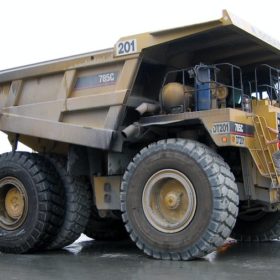
A 600 kW, container-based solar array will be used to electrolyze green hydrogen at a mine in Limpopo, South Africa after Engie signed a two-year lease for the mobile system, at Anglo American’s Mogalakwena site.

A new spin on battery manufacturing
Scientists in Germany developed a new process for manufacturing battery electrodes, that they say could be both more cost effective and environmentally friendly compared to current technologies. The technique could be applied to a range of different battery materials/chemistries and its creators say they are in discussion with a number of battery cell manufacturers regarding pilot production.

‘World’s largest lead-acid battery output’ planned in Greece
Manufacturer Sunlight plans to invest €30 million to add 1.3 GWh of annual production capacity of lead-acid products by the third quarter of next year. The company will also devote €20 million to expanding its lithium-ion battery assembly lines.
‘The chance to reset with a green recovery has now been lost’
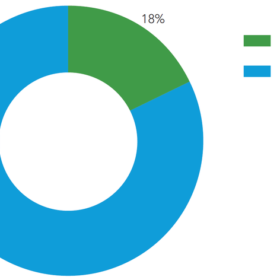
Norwegian consultancy DNV today published the latest of its annual surveys of the state of the energy transition and lamented the fact so very little has been achieved during the last five years. We are forging ahead into a world that will be 2.3C hotter this century, predicts the report.

Transatlantic silicon battery tie-up promises ready-to-use EV products
Slovakian business InoBat will use the patented silicon battery material manufactured by U.S. company Group14 Tech to offer bespoke products for the world’s biggest carmakers.
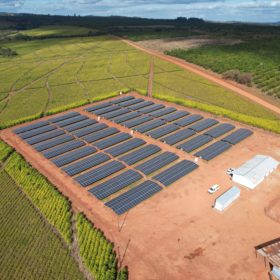
Solar hybrid system is just the cup of tea for Tanganda
Johannesburg-based clean power business Blockpower is working on installing a back-up power supply across three agricultural estates in Zimbabwe.
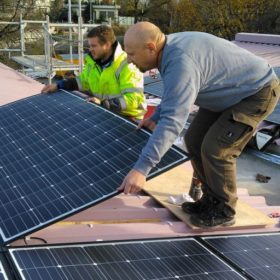
Energy transition to create 60m solar jobs by 2050
The switch from fossil fuels and nuclear will bring a jobs dividend thanks to the greater labor-intensity of renewables plants, according to a paper published by Finland’s LUT. However, the jobs dividend is unlikely to be evenly spread around the world, with Europe set to be a big winner.
