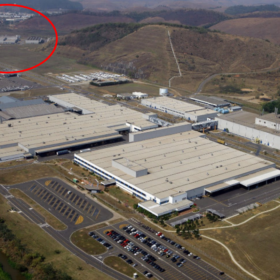
Brazilian buses to help drive down cost of lithium-sulfur batteries
British manufacturer Oxis Energy has announced plans to help Brazil to an all-electric bus fleet by 2045.

Micronesia launches tender for utility scale solar-plus-storage
The government of the Federated States of Micronesia wants to increase power generation capacity on the islands of Yap and Kosrae.
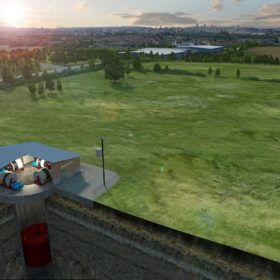
Storing wind and solar with new gravity-based system
Scottish start-up Gravitricity is planning a project to store surplus power from renewables at Port of Leith. A 250 kW, grid-connected prototype facility will have its ability to stabilize the network tested. The system involves a 16m rig over a 150-1500m shaft.

Uzbekistan pitches for 5 GW of solar by 2030
The country’s previous solar target was 4 GW by 2031. Around 1.4 GW of large scale projects are expected to be tendered this year, according to a document published by the Ministry of Energy.
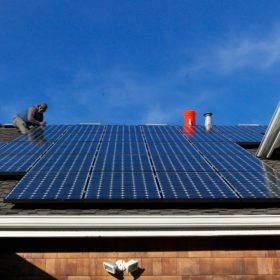
Power-to-heat-to-power storage for rooftop PV
Scientists in Spain have assessed the viability of ‘power-to-heat-to-power storage’ in a residential solar installation in Madrid. The technology could reduce electricity bills by more than 70% and would have a 12 to 15-year payback period, according to the researchers.

SunPower accesses $1bn in residential solar and storage loan capital from credit union
The cash injection from Tech CU will fund the installation of ‘tens of thousands’ of the Californian manufacturer’s solar panels on residential rooftops over four years, according to the company.
A mega solar and wind project for Western Australia
The 15 GW Asian Renewable Energy Hub has been recommended for approval by environmental authorities in the Pilbara region. The project was originally intended to export clean energy to Jakarta and Singapore via subsea, high voltage DC cables but its focus has shifted to domestic industrial consumers.

Storing solar and wind energy with compressed air
Researchers have studied the potential of using compressed air to store renewable energy in offshore saline aquifers. The technology could hold 77-96 TWh for up to two months in British waters, although the costs have proven hard to pin down.

Wearable ‘honeycomb’ lithium-ion battery
Scientists in South Korea have worked with graphene and carbon nanotubes to develop a working lithium-ion battery that can be stretched by up to 50% without damage to any of the components. According to the scientists, the battery represents a significant step in the development of wearable or body-implantable electronic devices.

Covid-19 weekly briefing: Merchant solar developers could seek shelter in return to subsidies and PPAs are being revisited, but at least the Irish are coping with lockdown measures
The unfolding effects of the Covid-19 crisis, and fears of a possible second wave, have split analysts trying to guess how the unsubsidized renewables market will emerge as slumping demand continued to distort power markets. pv magazine rounds up the week’s coronavirus developments.
