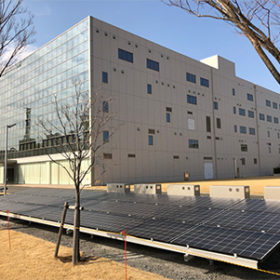
Kyocera, BYD to cooperate on e-bus charging demand aggregation
The Japanese government has issued a policy to reduce 80% of vehicle-related emissions, but high-power charging facilities for e-buses should also be aligned with distributed PV generation. Kyocera is now optimizing its virtual power plant technologies for this use case.
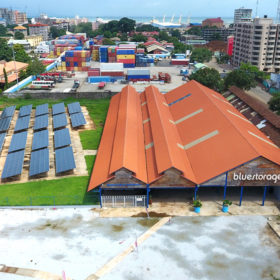
Blue Solutions on why it’s betting on solid-state batteries
While market experts suggest solid-state battery technology will not play a significant role in the storage industry until 2025, one company may be leading the race. Blue Solutions, electrical energy storage award winner at The smarter E Europe in Munich, Germany, says it has developed the only commercialized solid-state lithium battery. pv magazine caught up with the company around the European trade show to discuss its award-winning technology and unique position in the market.

Video: Future PV Roundtable looks into subsidy free PV
At the Smarter E Europe, held in Munich this month, pv magazine hosted another Future PV Roundtable to discuss the possibilities of subsidy free solar projects. In all market segments solutions are at hand and representatives across the industry shared their insights with us.

UK solar: Records, concerns and a persistent regulator
Although the nation’s PV industry has recently established new landmarks, warnings have been sounded about the immediate outlook for the sector.
Trans-Pacific partnership aims to accelerate green hydrogen uptake
Australia’s national science agency CSIRO and Canada’s University of British Columbia have announced a memorandum of understanding aimed at accelerating clean hydrogen technologies.
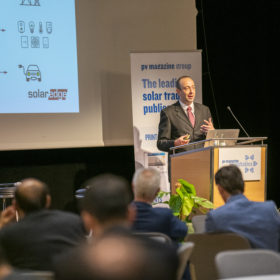
Interview: Solaredge’s Handelsman says integration is critical
At the Smarter E Europe trade show in Munich, pv magazine caught up with Lior Handelsman, VP for marketing and product strategy and founder of Solaredge. The Israeli company made headlines as it went on an acquisition spree in the last year to leverage its position in the storage and EV charging business.
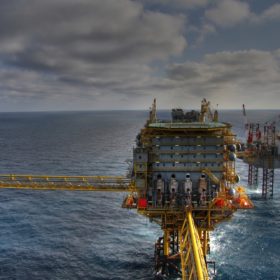
Oil and gas majors join rush to renewables in Australia and Pacific
Renewable energy investment in the Asia-Pacific region, excluding China, will overtake spending on oil and gas exploration and production by 2020, finds Norwegian consultancy Rystad Energy. And Australia is set to emerge as one of the leading investment destinations.
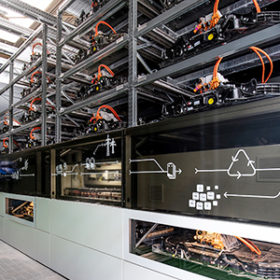
Belectric installs 1.9 MWh of battery storage for Audi in Germany
The German EPC contractor built the 1.9 MWh energy storage system for the automaker as part of a micro smart grid project on the EUREF Campus, a green innovation hub in Berlin.
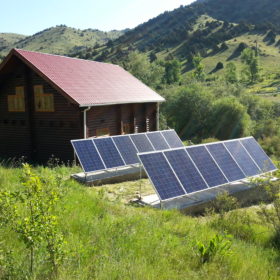
Solar the key to progress on global access to electricity
A tracking report from five major international agencies finds the world is lagging behind sustainable development goals for 2030. While more effort is needed to reach some of the world’s poorest populations, though, notable progress has been made in reducing the electrification deficit, thanks to off-grid solar and minigrids.
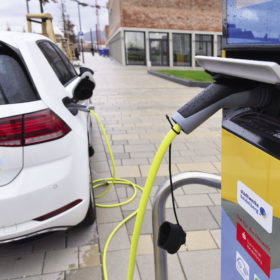
Electric vehicles help slash payback periods for residential PV
The Institute for Energy Economics and Financial Analysis has estimated the effect on the payback period of PV systems when adding EVs and storage in Germany and Britain. In both cases, system owners are likely to reduce their payback period by significant margins as increased self-consumption can offset the incremental phase out of government incentives.
