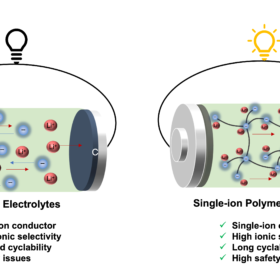
New polymer electrolyte for lithium-metal batteries
Researchers at the University of Hong Kong have discovered a series of anionic network solid electrolytes that can deliver at least a fourfold improvement in cationic transport for lithium-metal battery applications.
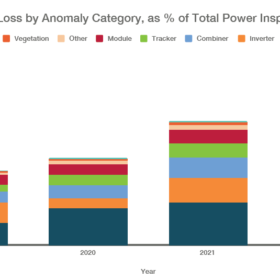
Raptor Maps points to growing problem of PV system underperformance
Raptor Maps analyzed 24.5 GW of large-scale solar assets and determined that power losses due to equipment anomalies nearly doubled from 1.61% in 2019 to 3.13% in 2022. At the module level, cell and diode anomalies were the most common issues, it said.
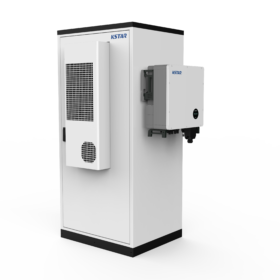
KStar unveils battery inverter solution for C&I applications
KStar’s new all-in-one energy storage system for commercial and industrial (C&I) applications features a 5.12 kWh lithium iron phosphate (LFP) battery system with a 50 kW inverter. It includes two clusters of batteries with 10 modules each, for a maximum capacity of 102.4 kWh.

Only5mins! – Storage inspection and certification
Emilio Jorquera, technical account manager at Senergy Technical Services (STS), tells pv magazine that greater standardization is needed in the battery storage market.

Renewables-powered steam heat pump for industrial applications
MAN Energy Solutions is building an industrial-scale heat pump that generates steam without using gas. It will produce steam to dry dairy ingredients at a milk farm in New Zealand.
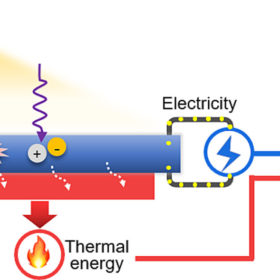
Solar desalination via photovoltaic-thermal energy
UK researchers have proposed the use of photovoltaic-thermal energy for desalination purposes, via an approach based on synergistic electro-thermal coupling mechanisms. They have found that some system configurations could offer a lower levelized cost of desalinated water, in addition to higher efficiencies.
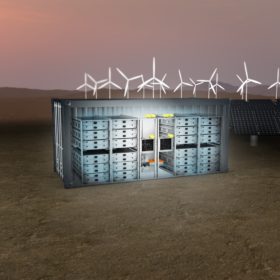
Volvo Penta moves into stationary energy storage
Volvo Penta, a Swedish marine and industrial engine manufacturer, has developed a subsystem solution based on the Volvo Group’s electromobility platform. It is optimized for battery energy storage system (BESS) applications produced by original equipment manufacturers (OEMs).
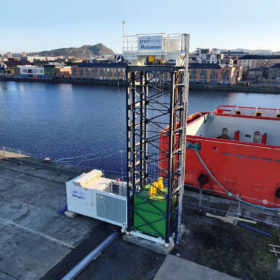
Weekend Read: Light weight
When it comes to gravity batteries, pumped-hydro storage is the gold standard, but its cost and topography-specific limitations are driving innovations ranging from freight-train braking to super-dense liquids. We consider whether any of the new technologies can punch above their weight.
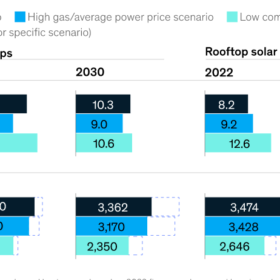
Study shows payback times for heat pumps could plunge by 2030
McKinsey & Company says in a new report that payback periods for heat pumps could fall by up to 38% by 2030.
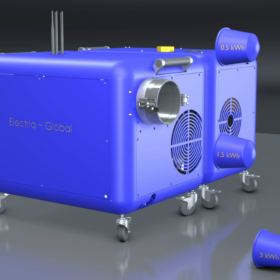
The Hydrogen Stream: Israeli startup to make hydrogen powder in Netherlands
Electriq and Zenith Energy Terminals are teaming up on hydrogen powder production in Amsterdam, while Universal Hydrogen has completed the world’s first passenger flight based on hydrogen fuel cell propulsion.
