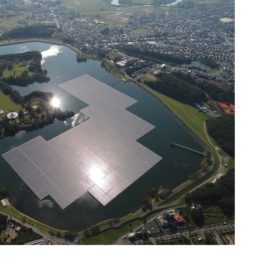
Kyocera reports falling revenues for solar business
Japanese electronics company & cell/module manufacturer, Kyocera has reported improved overall financials for the first quarter of the Japanese financial year, with a 12.3% increase in revenues. For the company’s activities in solar, however, signs are less encouraging.
SunPower to shift IBC solar production to new technology
The PV maker plans to shift its 800 MW of E-Series production to its new NGT technology, as it records a massive loss on depreciation of its old equipment. The move was revealed in second-quarter figures featuring plenty of red ink.

India: Uttar Pradesh cancels 1 GW projects due to high tariff
Citing high tariff of INR 3.48 ($0.050)/kWh as untenable, the Uttar Pradesh New and Renewable Energy Development Agency (UPNEDA) has cancelled the recent auction for the development of 1 GW grid-connected solar PV projects across the state.
Tages Helios obtains €425 million financing
The Italian fund will use the money to refinance its current PV plant portfolio consisting of 101 MW of facilities, and to finance further acquisitions planned by the end of this year.
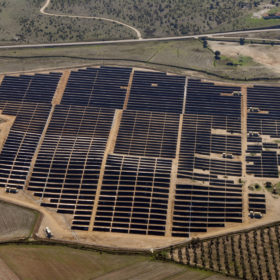
Work never stops for big solar parks in Spain
The Balearic Islands have decided to fast-track a 42 MW solar project, which would raise the three island’s total installed generations by one third. Iberdrola has secured a PPA for its 391 MW Nuñez de Balboa projects. Moreover, several other PV projects have obtained approval from regional authorities.

The figures for China’s booming PV industry will be seen with a tinge of regret
In what analysts worldwide are sure to look back on as the last golden period for global solar – at least for the immediate future – China saw more impressive figures for PV manufacturing in the first half of the year. Then the government stepped in.
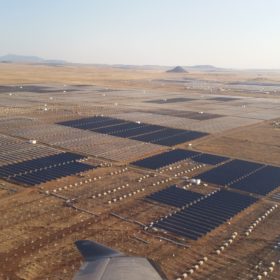
Revenues rise for Scatec Solar, as projects under construction surpass 1 GW
Norwegian project developer, Scatec Solar has posted increased revenues for the second consecutive quarter. The company states that this performance is primarily attributed to its increased development and construction activities, with more than 1 GW of projects under construction worldwide.
Meyer Burger expects return to profit in H1 2018
In a preview of its half year financial results, Swiss equipment supplier, Meyer Burger has announced it is expecting a return to profit in the first half of 2018, recovering from a lengthy period of losses, including a major restructuring and the closure of multiple production sites.
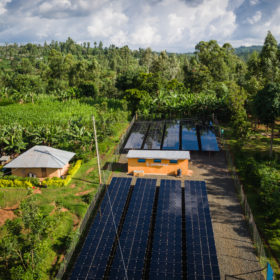
Cryptocurrency to accelerate solar minigrid rollout in Africa
South Africa-based Sun Exchange and U.S. minigrid developer, Powerhive have come together to step up minigrid deployment in rural Kenya by leveraging the crypto economy. The partnership is expected to catalyze up to $23 million of capital and fund around 150 new projects in the country’s power hungry areas.
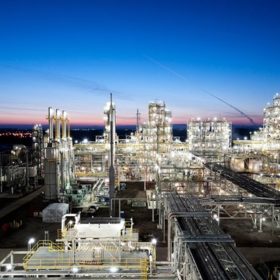
REC Silicon hit by falling demand in Q2
Norway headquartered polysilicon producer, REC Silicon posted a loss of US$9.6 million for the second quarter of 2018, amid reduced production and increasing inventory. The company’s Solar Materials segment was responsible for much of these losses, with decreased demand and ongoing trade wars cited as the cause.
